Oregon vs. Ohio State ends 41–28 after a 38-point reversal
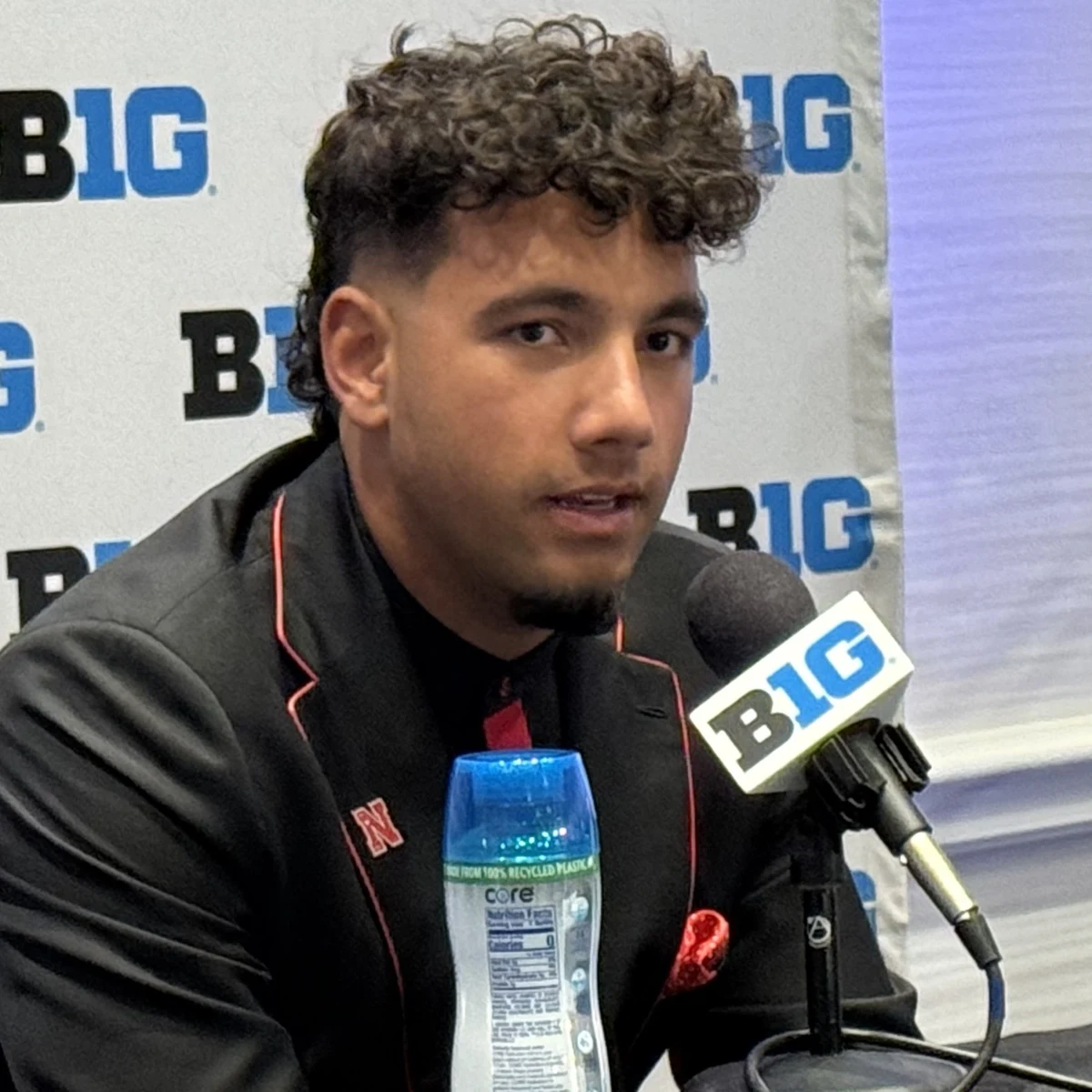
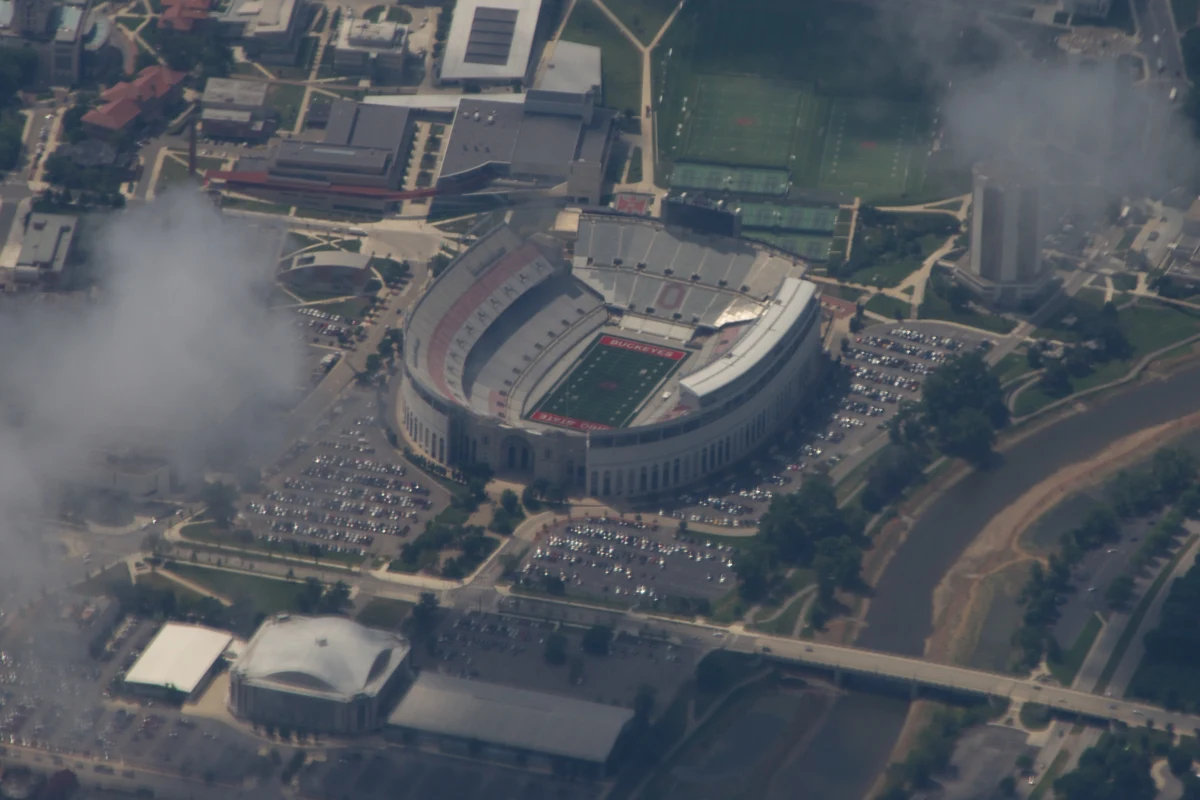
Oregon beat Ohio State 41–28 at Ohio Stadium on November 7, 2026, turning a 14–0 deficit into a 38–14 lead before the Buckeyes scored twice late. The Ducks left Columbus with a second consecutive victory. Ohio State suffered a second consecutive defeat. Both teams finished the day 6–3 overall and 4–2 in the Big Ten, but they reached those identical records from different directions.
The result came from more than one fourth-down gamble. Oregon recovered possessions it appeared about to surrender, converted those chances into touchdowns and continued scoring after halftime. Ohio State’s first-quarter advantage disappeared before the interval, and the Buckeyes did not score again until the fourth quarter. That long interruption explains the game more clearly than the final margin alone.
Dierre Hill Jr. supplied two rushing touchdowns. Dylan Raiola threw two touchdown passes without an interception. The Ducks also scored through tight end Jamari Johnson on a direct snap. Oregon’s scoring therefore came through different players and different ways of moving the ball, rather than a single receiver repeatedly winning the same matchup.
The Associated Press independently confirmed the comeback, while both universities’ reports and the official box score establish the result. There is a ranking distinction behind the numbers attached to the teams in coverage. Oregon entered at No. 23 in the College Football Playoff rankings and Ohio State at No. 12. In the separate AP poll, Ohio State was No. 11 and Oregon was unranked. Those are different lists, not conflicting descriptions of one ranking.
Ohio State had opened with touchdown runs of 16 and eight yards by Bo Jackson. That made the recovery necessary, but the Ducks’ answer was not simply to match two scores. They put together an uninterrupted sequence that changed a two-touchdown deficit into a 24-point advantage. By the time Ohio State resumed scoring, Oregon had already established the lead that decided the game.
The fake punt and the possessions around halftime
Oregon first cut the deficit with Gage Hurych’s 33-yard field goal. The more consequential change came late in the second quarter. Facing fourth-and-nine, the Ducks used a fake punt. Teitum Tuioti completed a 30-yard pass to Matayo Uiagalelei, keeping the possession alive and moving the ball into Ohio State territory. Hill eventually finished that drive with a nine-yard touchdown run, leaving the Buckeyes ahead 14–10 with 1:25 remaining.
Ohio State then gave Oregon another opportunity. Devin Jackson intercepted Luke Fahey at the Oregon 41-yard line. The Ducks used the remaining possession to reach the goal line, where Johnson took a direct snap and scored from two yards on the final play of the half. Oregon went to the break ahead 17–14. The official play-by-play identifies Devin Jackson as the interceptor, distinguishing him from teammate Devon Jackson.
Ryan Day’s postgame account focused on those lost possessions. In Ohio State’s published recap, he questioned the decision to remain aggressive offensively before halftime rather than run the ball and reach the interval. That is the coach’s assessment after the result. It does not establish that a different call would necessarily have prevented an Oregon score, but it identifies the decision Ohio State itself considered central to the reversal.
The sequence continued after the break. Hill’s 48-yard touchdown run on the opening third-quarter drive pushed the lead to 24–14. Raiola later found Dakorien Moore for an 11-yard touchdown, and his 15-yard scoring pass to Brandon Smith early in the fourth made it 38–14. Those were the final points in Oregon’s run of 38 without an Ohio State answer.
Analysis of the scoring sequence shows why halftime mattered. Hill’s first touchdown, Johnson’s run and Hill’s second touchdown produced 21 Oregon points between the final 85 seconds of the second quarter and the opening 1:49 of the third. Ohio State’s 11-point lead before that sequence became a 10-point deficit. Oregon paired the extra possession before the break with a touchdown after receiving the second-half kickoff.
Why Ohio State’s yardage lead did not become a win
Ohio State finished with 413 yards of offense to Oregon’s 395. That 18-yard advantage did not describe control of the game. Possession time was almost equal, with Oregon holding the ball for 30:01 and Ohio State for 29:59. Neither total explains a stretch in which one team scored 38 consecutive points. The more useful comparison is what happened when possessions needed to continue.
Oregon converted its only fourth-down attempt. Ohio State failed on all four. The Buckeyes converted six of 14 third downs overall, while the Ducks went eight of 17. Oregon’s official report notes that Ohio State had converted three third downs on its opening touchdown drive. Its remaining three conversions came across the rest of the game, a change from the efficiency that produced the early lead.
Fahey completed 36 of 50 passes for 360 yards, two touchdowns and one interception. Jeremiah Smith caught seven passes for 133 yards and a touchdown. Those are substantial individual totals, but Smith’s scoring catch came with 3:25 remaining and Oregon already ahead 38–14. Nate Roberts caught Ohio State’s other touchdown pass with 44 seconds left, after Oregon had added another field goal. The late scores narrowed the margin without overturning the earlier sequence.
Raiola completed 25 of 40 passes for 257 yards. Oregon’s team passing total was 287 because Tuioti’s fake-punt completion added another 30. Treating the team total as Raiola’s would erase the special-teams play that helped change the half. Hill carried 13 times for 75 yards, including the two touchdowns, while Oregon finished with 108 rushing yards against Ohio State’s 53.
Analysis of these figures points to possession value rather than yardage volume. Oregon’s interception and successful fake extended its opportunities during the comeback. Ohio State’s failed fourth downs ended opportunities during the attempted response. The Buckeyes still accumulated passing yards, but their scoring was concentrated in the first and fourth quarters. Oregon produced all 31 points scored by either team across the second and third quarters.
What the result changes for the November schedule

For Dan Lanning’s Oregon team, Columbus extended a recovery that had begun against Northwestern on October 31. The Ducks won that game 34–26 after losing 21–10 at Illinois the previous week. Back-to-back wins do not erase the earlier defeats, but the conference results now show a team moving from 4–3 to 6–3 over two games. This victory added a road result against a team ranked in both the AP and CFP lists entering the weekend.
Oregon’s November 2 preview had described an inconsistent opening eight games. Saturday supplied evidence of improvement in a specific area. The Ducks kept producing after conceding two touchdowns, while their defense prevented another Ohio State score through the second and third quarters. That is a documented response within this game, rather than proof that every earlier problem has been solved.
Ohio State faces the opposite task. The 30–18 loss at USC on October 31 was followed by a home defeat in which another opponent turned limited opportunities into a decisive scoring run. Eleven Warriors reported that the Buckeyes had reached three regular-season defeats for the first time since 2011. The immediate issue is therefore broader than one unsuccessful fourth-down call. Ohio State must recover from consecutive losses with three regular-season games remaining.
The playoff consequences remain a matter for subsequent rankings and results. Oregon’s No. 23 and Ohio State’s No. 12 were entering-game positions, not announcements of where either team will stand after this weekend. A 6–3 record alone does not establish a selection decision. The result changes the evidence available for that decision, particularly for Ohio State after a second straight loss, without allowing a guaranteed conclusion about qualification or elimination.
The next scheduled games offer a direct test of the two responses. Oregon hosts Michigan on November 14, while Ohio State hosts Northwestern that day. The Ducks need to carry the execution that sustained their comeback into another conference game. The Buckeyes need to turn possessions into points after the opening quarter. Saturday’s record establishes how Oregon won in Columbus. The following week will show whether either team changes the pattern.
View sources
Source publication or schedule date: Game played November 7, 2026. Oregon recap URL dated November 8 carries a November 7 event date. Pregame preview November 2. Sources checked November 8 UTC. All photographs archival.
- Ohio State — official November 7 game report and Day’s postgame assessment
- Ohio State — final box score, individual statistics and play-by-play
- Oregon — official account of the comeback and halftime possessions
- Associated Press via WRAL — independent report of Oregon’s 41–28 victory
- Eleven Warriors — Dan Hope’s November 7 game report
- Big Ten — 2026 conference game results
- Oregon — November 2 preview and entering-game poll positions
Prepared with AI assistance. Source-based reporting checked on 2026-11-08. This article does not update automatically. Read our editorial standards.