- State
- Georgia
- Office / race
- U.S. Senate
- Party
- Republican
- Reviewed
- October 24, 2026
Career timeline
Georgia’s Republican Senate challenger
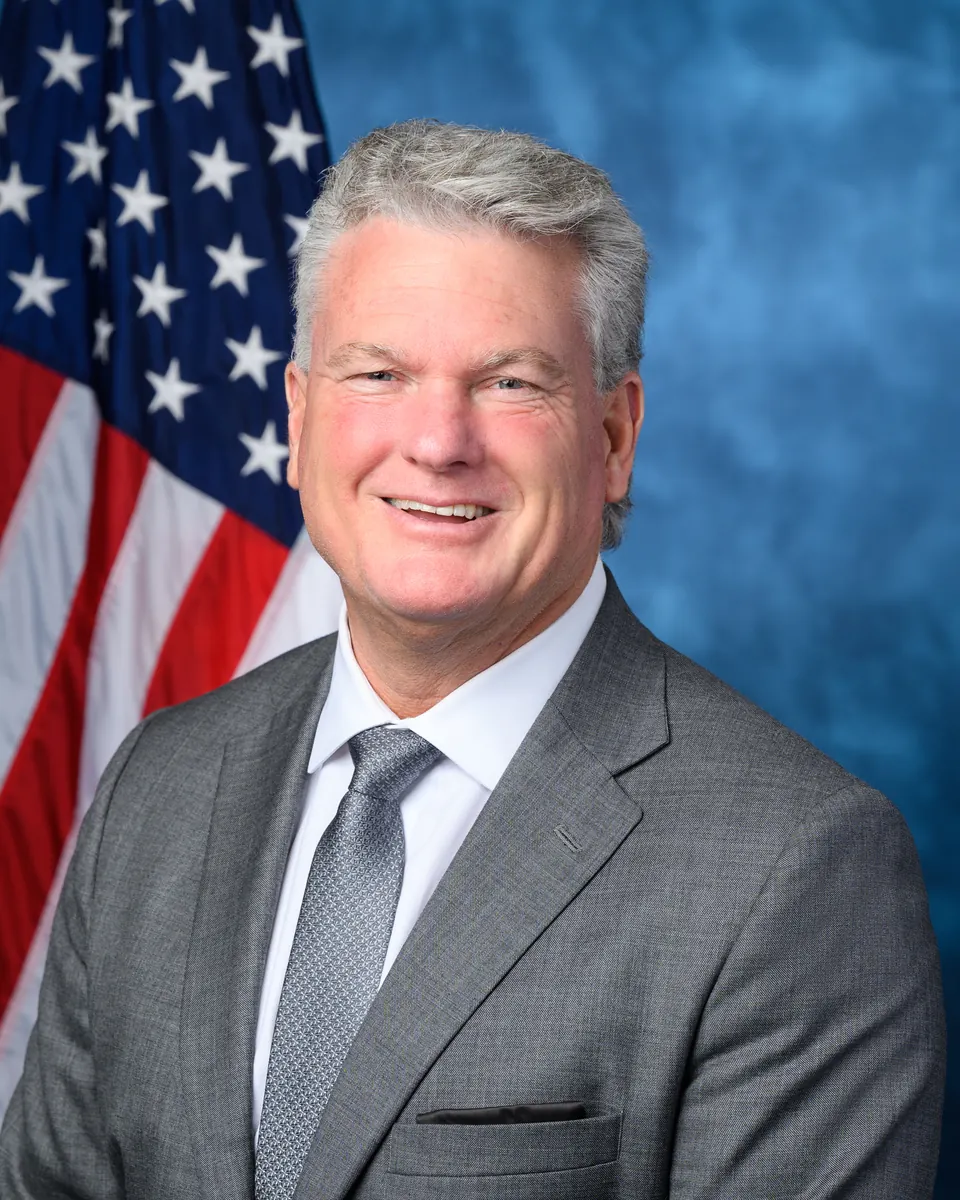
Mike Collins is the Republican nominee challenging Democratic Senator Jon Ossoff in Georgia’s November 2026 election. The Current’s October voter coverage identifies the contest as Ossoff’s first reelection campaign after winning the seat in 2021. For Collins, it is an attempt to move from representing a congressional district to serving the whole state, with an existing business and House record to present to voters.
A business career rooted in Jackson
Collins was born and raised in Jackson, Georgia, and earned a business degree from Georgia State University. His official House biography says he and his wife, Leigh Ann, started a trucking company in the early 1990s. It grew to employ more than 100 people and transport freight nationally. The business provides the foundation for his emphasis on regulation, employment and operating costs.
Community leadership before Washington
His official biography also records service as a credit-union board chairman and president of his local chamber of commerce. These roles involved financial services and the concerns of area businesses before he held federal office. Collins connects that experience with calls to reduce federal spending and regulatory burdens on small companies. Those are his stated policy priorities, rather than independent findings about every regulation he opposes.
The legislative record he promotes
Collins’s campaign highlights the TRANQ Act and Laken Riley Act, presenting their enactment as evidence that he can move legislation through Congress. It also identifies his leadership of the Transportation and Infrastructure Committee’s Water Resources and Environment Subcommittee. His campaign stresses persistence in working with colleagues and institutions, while placing those achievements within an explicitly pro-Trump political message.
Sources: Collins campaign: Meet Mike ↗
Immigration as a defining issue
WABE reports that Collins authored the Laken Riley Act, the first law signed during Donald Trump’s second term. The law concerns immigration detention of people accused of specified crimes. Ossoff also voted for it, a reminder that a major legislative achievement promoted by one candidate does not necessarily mark a disagreement with the other. Immigration nevertheless remains a prominent theme in Collins’s Senate campaign.
The economic argument in the race
In WABE’s October reporting, Collins attributed living-cost pressures to the previous administration’s economic policies and taxes, and emphasized support for an increased child tax credit. He also criticized the Affordable Care Act in discussing rural healthcare. Ossoff offered different explanations involving tariffs and Medicaid reductions. The campaign therefore turns partly on competing diagnoses of the same problems facing Georgia households.
Prepared with AI assistance. Source-based reporting checked on October 24, 2026. This article does not update automatically. Read our editorial standards.