- State
- Delaware
- Office / race
- U.S. Senate
- Party
- Republican
- Reviewed
- October 24, 2026
Career timeline
The name on Delaware’s Republican ticket

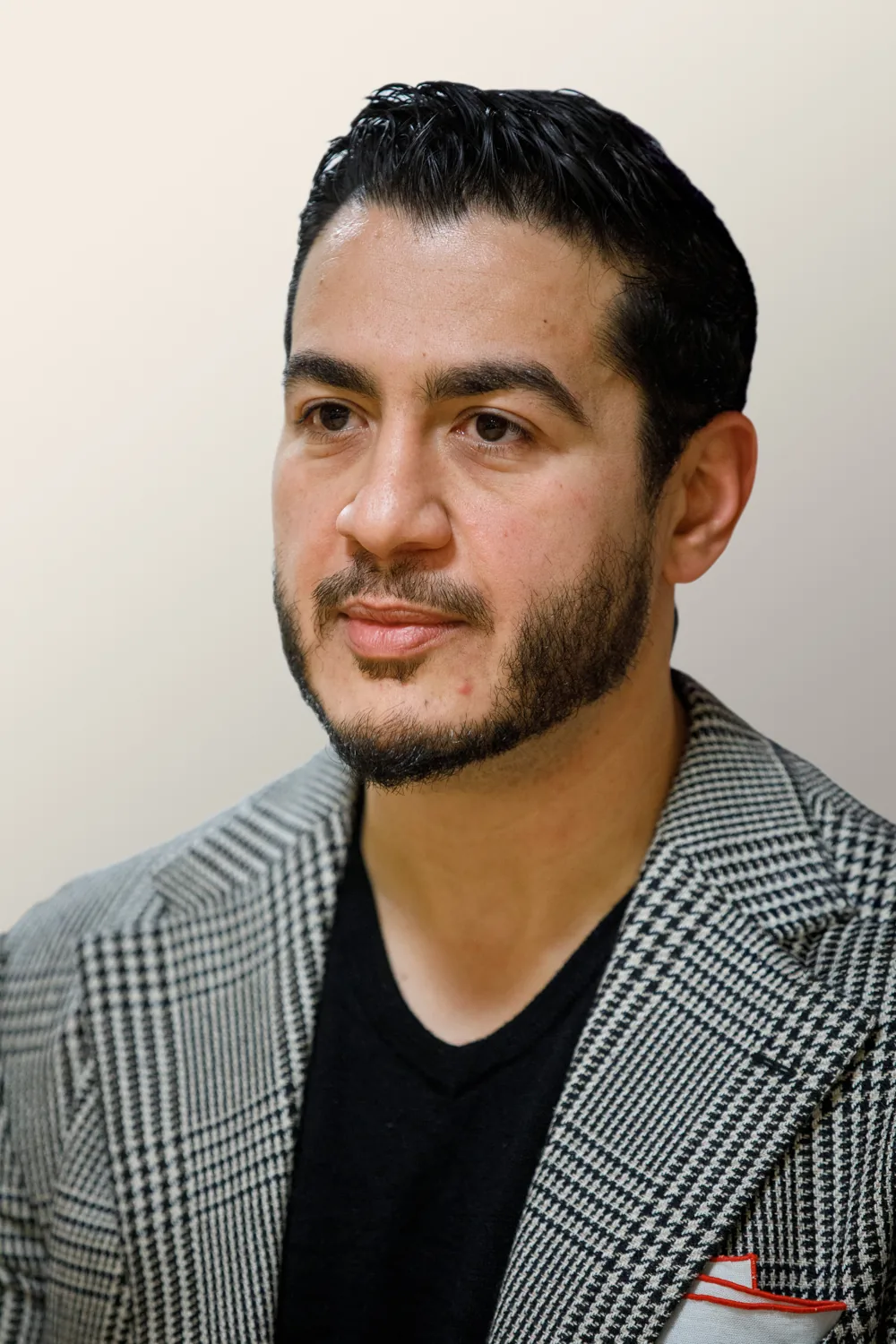
Michael Katz, listed on Delaware’s sample ballot as Michael “Dr. Mike” Katz, is the Republican candidate for U.S. Senate against Democratic incumbent Chris Coons. The November 2026 contest is another attempt to reach the Senate after an unsuccessful 2024 campaign. The doctor’s title is a reference to his medical profession, an important part of the experience he presents to voters.
Sources: Delaware Department of Elections: 2026 sample ballot ↗
Medicine and business
WHYY’s election guide describes Katz as an anesthesiologist and pediatric critical-care specialist who also owns a commercial real-estate company. He earned both a medical degree and an MBA from Georgetown University. That combination gives his public profile two professional strands: the treatment of patients and the management and financing questions associated with business.
Sources: WHYY: Delaware Senate voter guide ↗
How he came to Delaware
In a March 2026 campaign introduction, Katz said he came to Delaware after recruitment from Boston Children’s Hospital to A.I. duPont Hospital for Children. He described work with critically ill children and experience coordinating complex medical teams. His campaign connects that background with an approach to politics based on diagnosis, administrative discipline and cooperation; that is the analogy he chooses to make about his candidacy.
A career crossing party labels
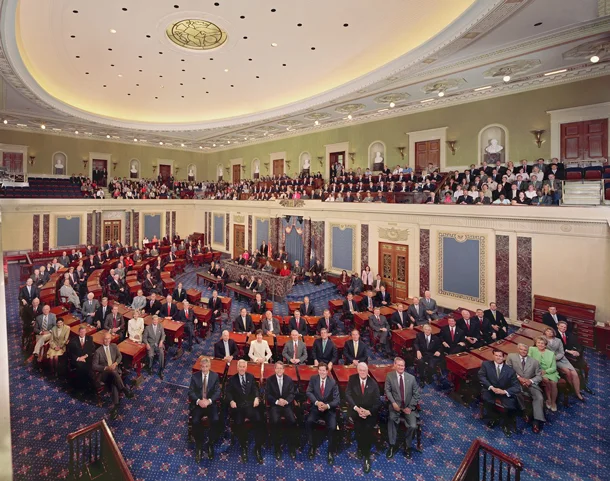
Katz won a Delaware state Senate seat as a Democrat in 2008 and lost to Republican Greg Lavelle in 2012. Delaware Public Media records that he then ran for the U.S. Senate under the Independent Party of Delaware banner in 2024, finishing third. In 2026, he became the Republican Party’s endorsed candidate. Those changing affiliations are an established part of his electoral history.
Sources: Delaware Public Media: Michael Katz candidate conversation ↗
Healthcare and affordability proposals
Katz told WHYY he wanted more competition in healthcare, a stronger focus on community and population health, and action on grocery, gasoline and housing costs. He also identified transparency and federal spending as concerns. They join his medical background to his broader argument that Delaware needs more political competition and scrutiny of entrenched leadership.
Sources: WHYY: Delaware Senate voter guide ↗
The argument at the candidate forum
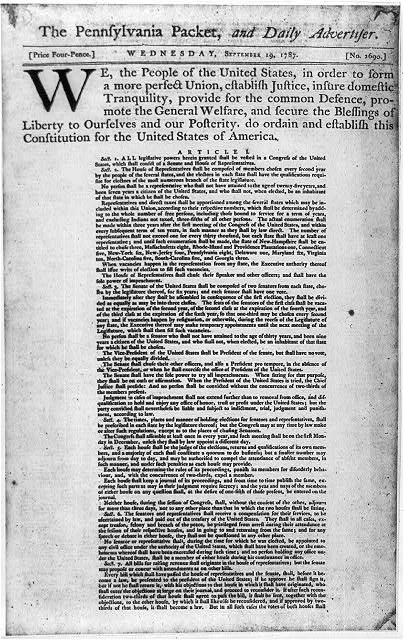
At the October Wilmington forum, Katz said Congress should enforce constitutional limits on presidential action. Delaware Public Media reported that he criticized the Affordable Care Act’s effect on costs while acknowledging some benefits. He also called for a formal debate with Coons and argued for a change in Delaware’s representation. Those exchanges show a campaign focused on institutional accountability as well as healthcare.
Prepared with AI assistance. Source-based reporting checked on October 24, 2026. This article does not update automatically. Read our editorial standards.