What McDonald’s is testing, and when it could reach more restaurants
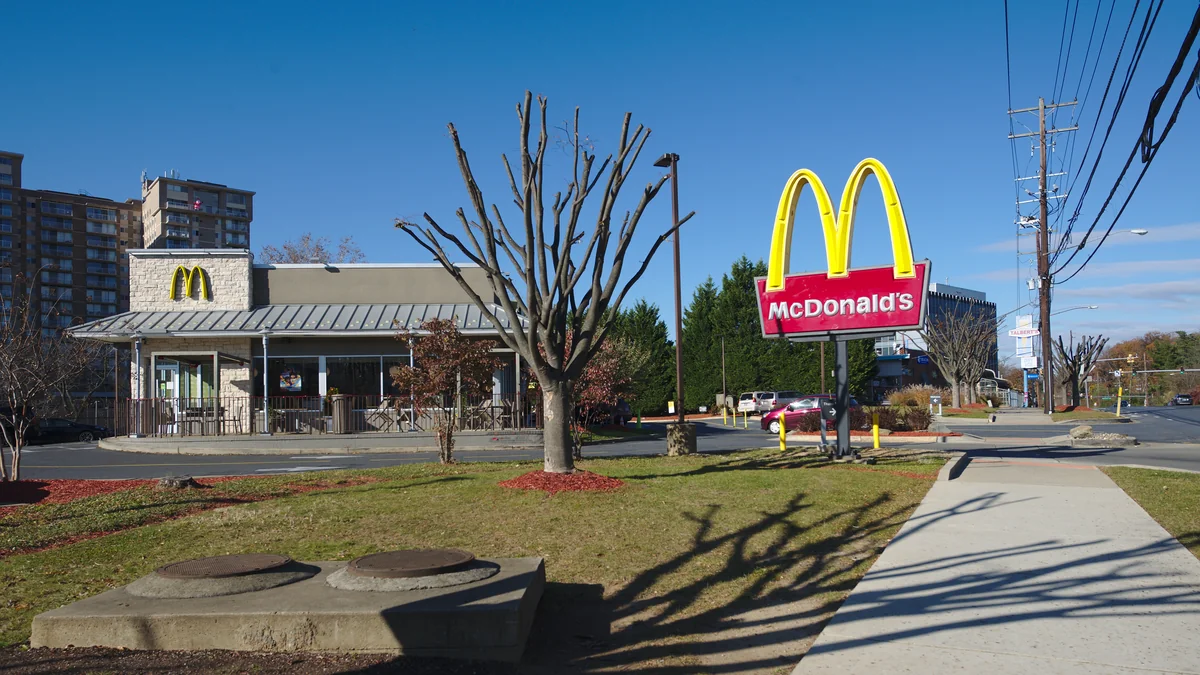
McDonald’s is testing new value-meal combinations in the United States, with a national program targeted for early 2027. The November 4 announcement concerns a trial and a future rollout goal. It does not establish a new nationwide price list for November. For customers searching for McDonald’s new value meals, the immediate distinction is between offers at participating test restaurants and the existing McValue menu.
Chairman and chief executive Chris Kempczinski described an eight-week trial involving about 1,900 restaurants in several regions. It began the week before the earnings call. Two approaches are under examination. Mix-and-match bundles let customers choose combinations, while fixed bundles offer a prescribed selection for a stated price. Franchisees representing roughly another 4,000 restaurants had already moved ahead with similar offers, he said. That second group is separate from the formal test.
The Associated Press reported one example pairing a McChicken with small fries for $3.50. That example is not a promise that every restaurant sells the same combination for the same amount. Nor does a sandwich-and-fries pairing include everything supplied in a meal with nuggets and a drink. The contents matter when comparing the amount on a menu board with the cost of an entire order.
The company’s call transcript, published by The Motley Fool, says the test will inform the national program. Management wants to learn which format attracts customers, works in restaurants and generates sustainable additional visits and sales for operators. Choosing the structure is part of the experiment. Describing one local offer as the final national menu would get ahead of that decision.
Early 2027 remains a target rather than a confirmed launch day. An eight-week trial announced in early November also cannot already have established a full eight weeks of results. The next consequential announcement would specify the chosen format, participating restaurants, prices, conditions and start date. Until those details arrive, local menus and the established national offers remain distinct sources of information.
What the existing McValue menu actually includes
The new trial follows an earlier change that already reached participating U.S. restaurants. In an April 2 release, McDonald’s announced an expanded McValue menu beginning April 21, 2026. That program added an Under $3 Menu and a breakfast bundle alongside the lunch and dinner meal deals. The dates matter because those offers are background to the November test, rather than a newly announced November rollout.
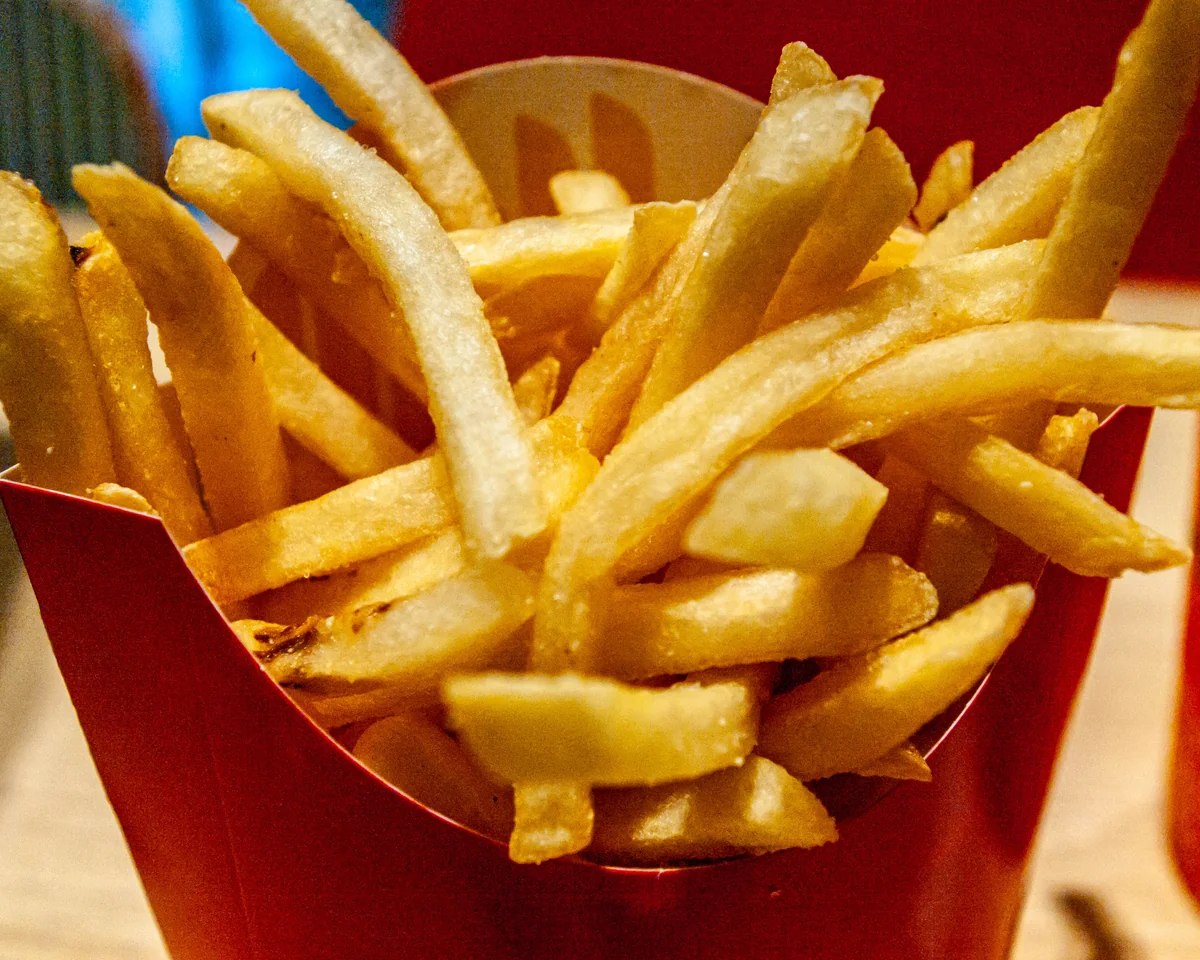
The April announcement divided individual items by meal period. Breakfast choices included the Sausage McMuffin, Sausage Biscuit, Sausage Burrito, hash browns and medium brewed coffee. Lunch and dinner choices included the McChicken, McDouble, four-piece Chicken McNuggets, small fries and a medium soft drink. The phrase Under $3 described individual menu items. It did not mean that any complete meal assembled from those items would cost less than $3.
The same release described a $4 breakfast meal with a Sausage McMuffin or Sausage Biscuit, hash browns and small coffee. At lunch and dinner, it advertised a $5 McChicken meal or $6 McDouble meal, each with four nuggets, small fries and a small soft drink. Its qualifications allowed price and participation differences, including higher meal-deal prices at selected restaurants, and excluded delivery.
McDonald’s current U.S. deals page, checked November 7, still lists the Under $3 Menu, $4 breakfast meal deals and lunch-to-late-night meals starting at $5. It also describes a separate $5 Sausage McMuffin with Egg meal for a limited time. That sandwich includes egg. The $4 breakfast choice listed on the page is a Sausage McMuffin or Sausage Biscuit. Treating those names as interchangeable would obscure what the customer receives.
Digital offers have their own conditions. The page advertises free medium fries with a purchase of at least $1, usable once a week through December 31, 2026. It requires participation in Rewards, excludes tax and McDelivery, and applies at participating restaurants. An app promotion with those restrictions is different from an unconditional price cut available with every order.
A comparison therefore needs the same products, sizes and ordering method on both sides. The test example with small fries cannot be equated with an offer for medium fries. A lunch bundle containing nuggets and a drink cannot be compared solely with the price of its sandwich. These are differences in what is being purchased, not evidence that one advertised number has replaced another across the country.
The April release also promoted introductory prices for selected individual items for a limited time. Those launch promotions do not establish their price in November. The current deals page and the selected restaurant’s ordering menu answer a different question from a historical press release. One records the program’s introduction, while the other supplies the offers and conditions displayed now.
Why the company is trying another value format
McDonald’s third-quarter filing provides the business context for another test. The quarter ended September 30, and the company released the results on November 4. U.S. comparable sales fell 0.2% from a year earlier. The filing attributed that result to fewer guests, largely offset by growth in the average check. In other words, spending per transaction helped counter declining visits, but did not produce U.S. comparable-sales growth for the quarter.
Comparable sales and customer traffic measure different things. A restaurant can take in more money per order while serving fewer orders. A sales decline of 0.2% therefore is not a finding that visits fell by 0.2%. Reuters separately reported a 4.6% decline in third-quarter visits estimated by location-analytics company Placer.ai. That estimate is an outside traffic measure, rather than the company’s reported comparable-sales figure.
The U.S. result also should not be substituted for the global business. McDonald’s official release reported worldwide comparable-sales growth of 1.5% and revenue of approximately $7.16 billion, up 1%. Reported diluted earnings were $3.51 a share. Adjusted earnings, which excluded specified charges, were $3.57. Those are different presentations of earnings, not two conflicting prices or estimates of what customers paid.
Reuters reported management’s account of improving trends in September and October after changes to promotions and marketing. That account does not mean the new eight-week bundle test caused the third-quarter results. The trial began after the September 30 quarter-end. Keeping the sequence straight prevents an encouraging description of recent trading from turning into an unsupported claim that the newest program has already succeeded.
Pricing also involves restaurant operators. In its October 1 explanation of pricing practices, McDonald’s said franchisees independently set menu prices. The company described its tools and recommendations as information operators can use, with the final pricing decision remaining with the franchisee. That is the company’s stated policy. Its published offer conditions separately confirm that prices and participation can vary.
For a customer, the implication is narrower than a forecast about the entire restaurant industry. A national advertisement can describe an offer while a particular location has different participation or delivery conditions. The relevant total is the price for the chosen items at that restaurant through that ordering channel, including any applicable tax. A headline price alone leaves those variables unresolved.
For McDonald’s, the test raises a different question. A bundle can bring in additional purchases, or it can simply change how an existing customer buys the same food. Those outcomes would have different implications for sales and operating costs. The trial’s results, followed by the eventual national terms, will show more than an isolated promotional example can. As of November 7, the documented development is a regional experiment, existing McValue offers and a goal for a broader program in early 2027.
View sources
Source publication or schedule date: November 4 earnings announcement and call; April 2 McValue release; November 7 check of U.S. offers.
- McDonald’s — original November 4 third-quarter earnings release
- McDonald’s November 4 earnings call — transcript published by The Motley Fool
- Associated Press — independent November 4 report on the trial
- Reuters — independent November 4 sales and traffic report
- McDonald’s USA — April 2 announcement of the April 21 McValue expansion
- McDonald’s — current U.S. deals and offer conditions, checked November 7
- McDonald’s — October 1 explanation of franchisee pricing decisions
- G. Edward Johnson — Bethesda restaurant photograph and CC BY 4.0 provenance
- Bill Benzon — U.S. fries photograph and CC BY-SA 2.0 provenance
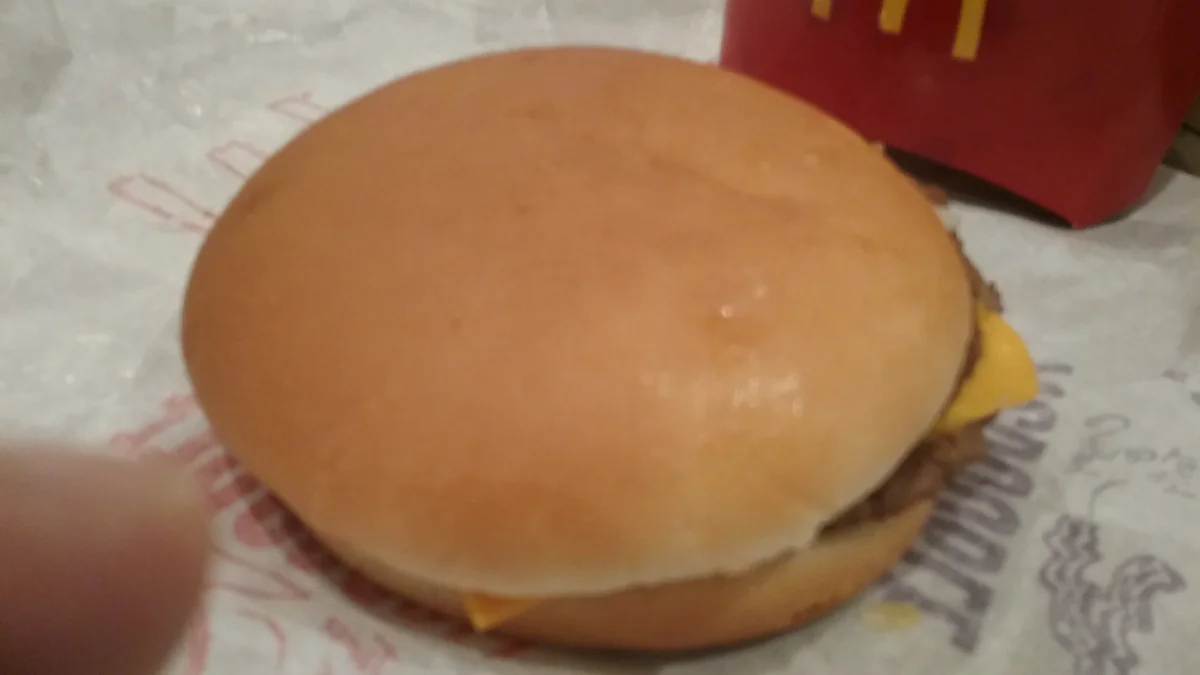
- NeoBatfreak — Fresno McDouble photograph and CC BY-SA 4.0 provenance
Prepared with AI assistance. Source-based reporting checked on November 7, 2026. This article does not update automatically. Read our editorial standards.