Wendy’s rejects the bid and puts a takeover defense in place
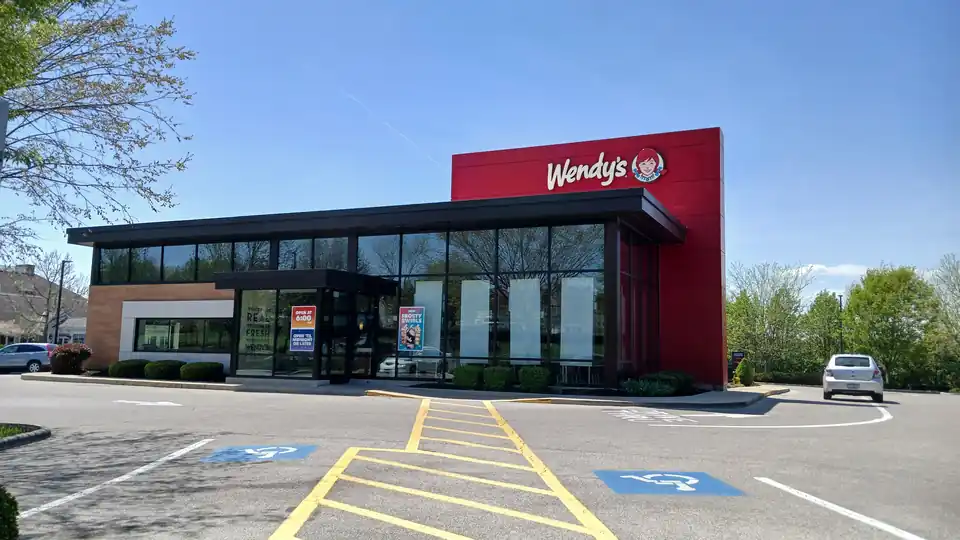
Wendy’s rejected a $7.35-per-share cash takeover proposal on November 5, 2026, setting up a dispute over whether shareholders should accept a sale or wait for a turnaround. An independent board committee unanimously opposed the unsolicited, nonbinding offer from Trian Fund Management, Flynn Group, BlueFive Capital and Sixth Street Partners. The committee said the price undervalued the business and the earnings it expects under chief executive Bob Wright’s strategy.
The proposal dates to October 28. Wendy’s confirmed receipt that day and said its committee would assess it with financial and legal advisers. That announcement promised no transaction. The November 5 rejection is the subsequent decision, rather than a second bid or a completed acquisition. Reuters and the Associated Press independently reported the rejection and described the proposed buyout as worth about $1.4 billion.
Trian’s original letter sets out the buyers’ case. It says Trian and related parties owned approximately 16.3% of outstanding shares and offers to buy shares the group does not already hold. The letter describes $7.35 as roughly 20% above the October 27 closing price. That comparison uses the price before the proposal became public. It does not establish a premium to the share price at every later moment.
The bidders argue that consumer pressure, competition and commodity inflation make private ownership a better setting for investment. Their letter envisages equity funding, rollover of Trian’s existing shares and no new debt or financing condition. It also says definitive agreements would be necessary and reserves the ability to change or withdraw the proposal. An all-cash expression of interest therefore remains different from an enforceable agreement to pay shareholders.
Wendy’s adopted its shareholder rights plan on November 4 and announced it alongside the rejection on November 5. Often called a poison pill, the arrangement makes an unapproved accumulation of control more difficult. The company says it is intended to give directors time to consider proposals and protect equal treatment of shareholders. The Form 8-K reproducing the plan’s terms identifies November 16 as the record date for one right per common share.
The ownership threshold needs careful reading. An unapproved acquisition reaching 15% can trigger the plan. A holder already at or above 15% can also trigger it by acquiring additional shares. Existing ownership above that level is not, by itself, proof the rights have already been triggered. This distinction matters because the bidder’s letter disclosed a stake above the threshold before the plan was announced.
If triggered, rights belonging to the acquiring person or group become void. Other holders can obtain shares on preferential terms, diluting the acquirer’s stake. The plan expires on November 3, 2027, unless ended earlier. It also preserves the ability of a future board to redeem the rights. The defense changes the process for pursuing control. It does not demonstrate that Wendy’s has accepted a higher offer or that a sale is impossible.
VIRVIB analysis — the central disagreement is the value of time. The bidder offers a specified cash price while arguing that an overhaul carries risk. Directors argue that waiting for Wright’s plan can create more value. A premium to an earlier trading price and confidence in future earnings answer different questions. Neither number alone settles whether the proposal fairly values the business.
The restaurant turnaround behind the ownership dispute
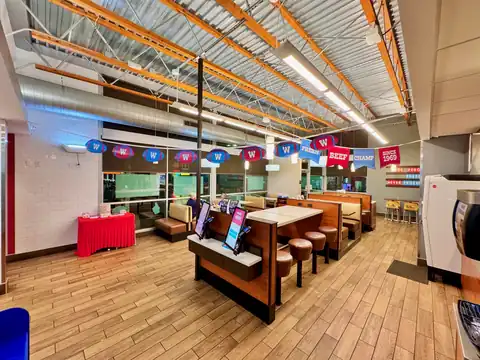
The operating results explain why both sides see an opening. Wendy’s reported third-quarter revenue of $547 million and net income of $15.1 million for the period ended September 27. U.S. same-restaurant sales fell 5.7%, while international same-restaurant sales declined 2.2%. Those sales comparisons use constant currencies and exclude Argentina, according to the company’s results release.
Revenue at the listed company is not the same measure as spending throughout the restaurant network. Wendy’s reported about $3.3 billion of systemwide sales, including franchise and company-operated restaurants. Treating that figure as corporate revenue would misrepresent the business. The distinction also explains why restaurant demand and the parent company’s reported revenue do not necessarily move by the same percentage.
The Associated Press reported that Wright joined Wendy’s in May after leading Potbelly and became its fourth chief executive since 2024. It described a chain contending with expensive beef, aging stores and competition from other burger operators. That context gives the takeover dispute a practical dimension. Ownership is being contested while the business must still persuade customers to visit and restaurant operators to invest.
Wright’s Dave’s Way strategy focuses on food and value, marketing, operations, digital ordering and restaurants. AP reported tests involving bacon, Frosties and lettuce, alongside removal of lower-volume menu items to simplify kitchens. These are initiatives and tests, not evidence that every Wendy’s location has already received a new menu or achieved a turnaround. The results of changes across the system will matter more than a list of intended improvements.
Breakfast illustrates the tradeoffs. Wendy’s says its revised approach will depend on the location, following tests that improved profitability. Reuters reported that breakfast would become optional across U.S. stores, allowing attention to more profitable dayparts. That is not an announcement that breakfast will disappear nationwide. A customer’s local restaurant and a shareholder’s assessment of system profitability can therefore be affected differently by the same policy.
Another piece remains conditional. Wendy’s says it signed a letter of intent to acquire up to 163 restaurants from Meritage Hospitality Group and its lenders. The company lists a definitive agreement, possible better offers and court approval among the conditions. The figure is a maximum in a proposed transaction, not a completed transfer of 163 restaurants. It should not be read as a new list of permanent closures.
Reuters places the offer about three months after Wendy’s withdrew its annual forecast and cut its dividend. Its report also notes that Trian considered taking Wendy’s private in 2022 before stepping back in 2023. That history gives the current proposal context, but does not establish what Trian will do after this rejection. A revised bid, a campaign over board seats or a decision to wait would each require new evidence.
VIRVIB analysis — restaurant performance supplies the next test of the competing arguments. The board’s case depends on whether operating changes can improve demand and economics enough to justify remaining independent. The buyers’ argument depends partly on the difficulty and cost of that work. A takeover defense can provide negotiating time, but it cannot itself increase restaurant traffic or prove that a forecast will be achieved.
The documents establish a rejected proposal, an active rights plan and an operating overhaul. They do not establish an agreed sale or a guaranteed recovery. The next developments to watch are a documented response from the investor group, any new transaction agreement and subsequent operating results. Those events would change the evidence behind the valuation dispute rather than merely repeat the positions announced on November 5.
View sources
Source publication or schedule date: October 28 proposal; November 4 rights plan adoption; November 5 rejection and earnings announcement.
- Wendy’s — November 5 independent committee decision
- Wendy’s — October 28 receipt of the proposal
- Trian and partners — original October 28 proposal, Exhibit 46
- Wendy’s Form 8-K — November 4 rights agreement, reproduced by StockTitan
- Wendy’s — third-quarter 2026 results and strategy
- Associated Press via The Journal — rejection and restaurant changes
- Reuters — buyout rejection and turnaround, syndicated report
Prepared with AI assistance. Source-based reporting checked on November 5, 2026. This article does not update automatically. Read our editorial standards.