- State
- Virginia
- Office / race
- U.S. Senate
- Party
- Democratic
- Reviewed
- October 24, 2026
Career timeline
A fourth-term campaign
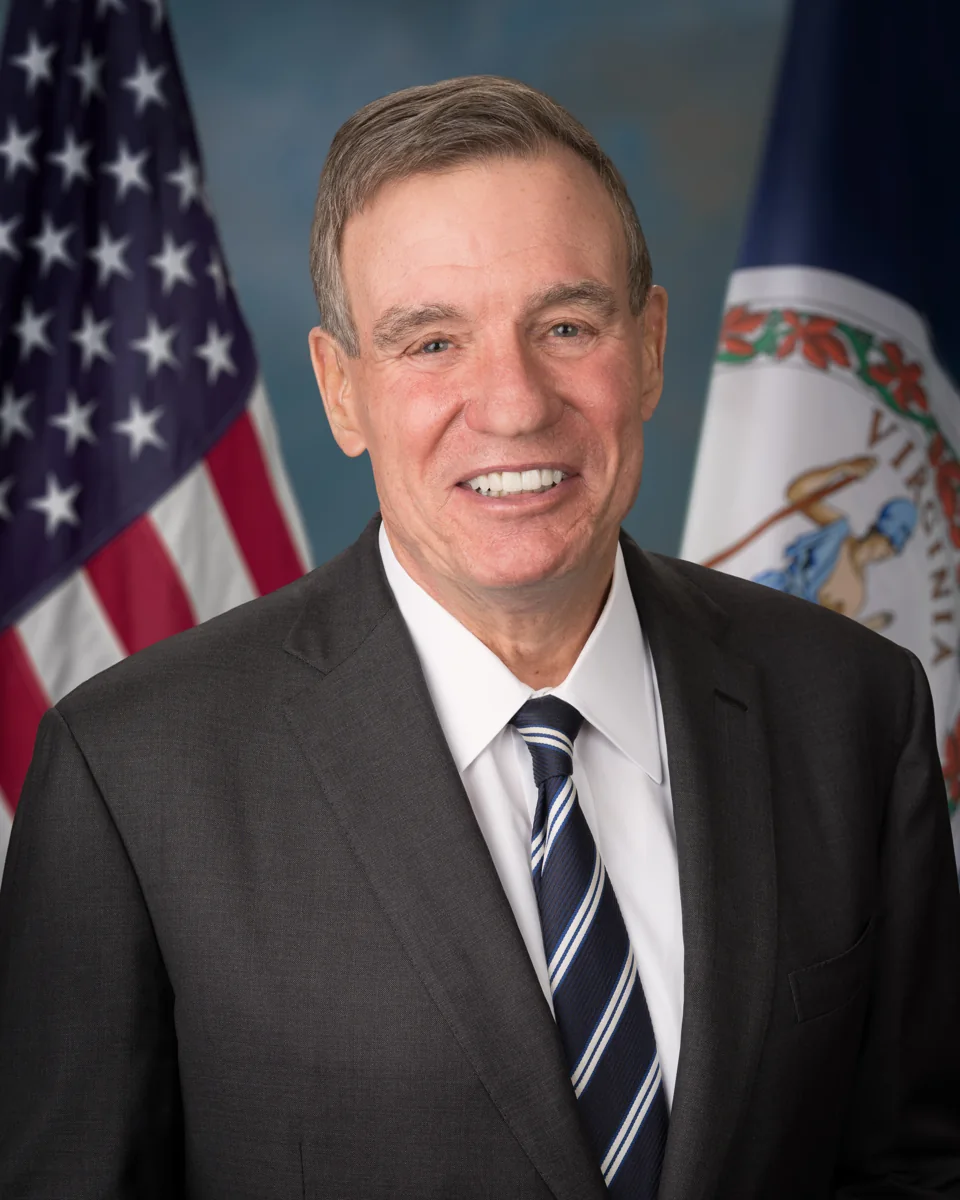
Mark Warner is the Democratic incumbent facing Republican Bert Mizusawa in Virginia’s November Senate election. He has already served three terms and previously held the governorship. Virginia Mercury identifies national security and technology as central themes in his Senate career, subjects that connect his present committee work with an earlier life in the private sector.
College and an entrepreneurial start
Warner was the first in his family to graduate from college, earning his undergraduate degree at George Washington University before attending Harvard Law School. His official biography describes early business setbacks followed by success in telecommunications. He helped establish the company that became Nextel and spent years investing in technology businesses before entering elected office.
The governor years
Warner served as Virginia’s governor from 2002 to 2006. His Senate office emphasizes working with a Republican-controlled Legislature and pursuing economic development during that period. The governorship gave him executive experience before he first won a Senate election in 2008, making his public record a combination of statewide administration and subsequent legislative work in Washington.
Sources: Official Senate biography ↗ · Official account of Warner’s early career ↗
Intelligence and economic policy
Warner is vice chairman of the Senate Intelligence Committee and also serves on Finance, Banking, Budget and Rules. His official biography highlights work on infrastructure, cybersecurity, domestic manufacturing and underserved communities. These assignments connect national-security oversight with questions about investment and economic resilience, rather than confining his Senate role to a single policy field.
Sources: Official Senate biography ↗
What he says about living costs
In VPM’s candidate questionnaire, Warner identified the cost of living as Virginia’s leading concern. He supported expanding affordable housing, limiting corporate home purchases and ensuring that data-center companies pay for the power they require. He also argued for reversing tariffs and ending the Iran war, presenting those positions as part of an effort to reduce pressure on household budgets.
Rural health and technological change
Warner’s questionnaire response described proposals to improve payments for rural hospitals and maternity care. On artificial intelligence, he outlined priorities involving responsible data-center development, competition, worker preparation and national security. These are stated policy positions and proposed changes; the questionnaire provides his account of the agenda, which voters can compare with the underlying legislation and his Senate votes.
Prepared with AI assistance. Source-based reporting checked on October 24, 2026. This article does not update automatically. Read our editorial standards.