- State
- Idaho
- Office / race
- Governor
- Party
- Independent
- Reviewed
- October 24, 2026
Career timeline
An unaffiliated candidate with a judicial record
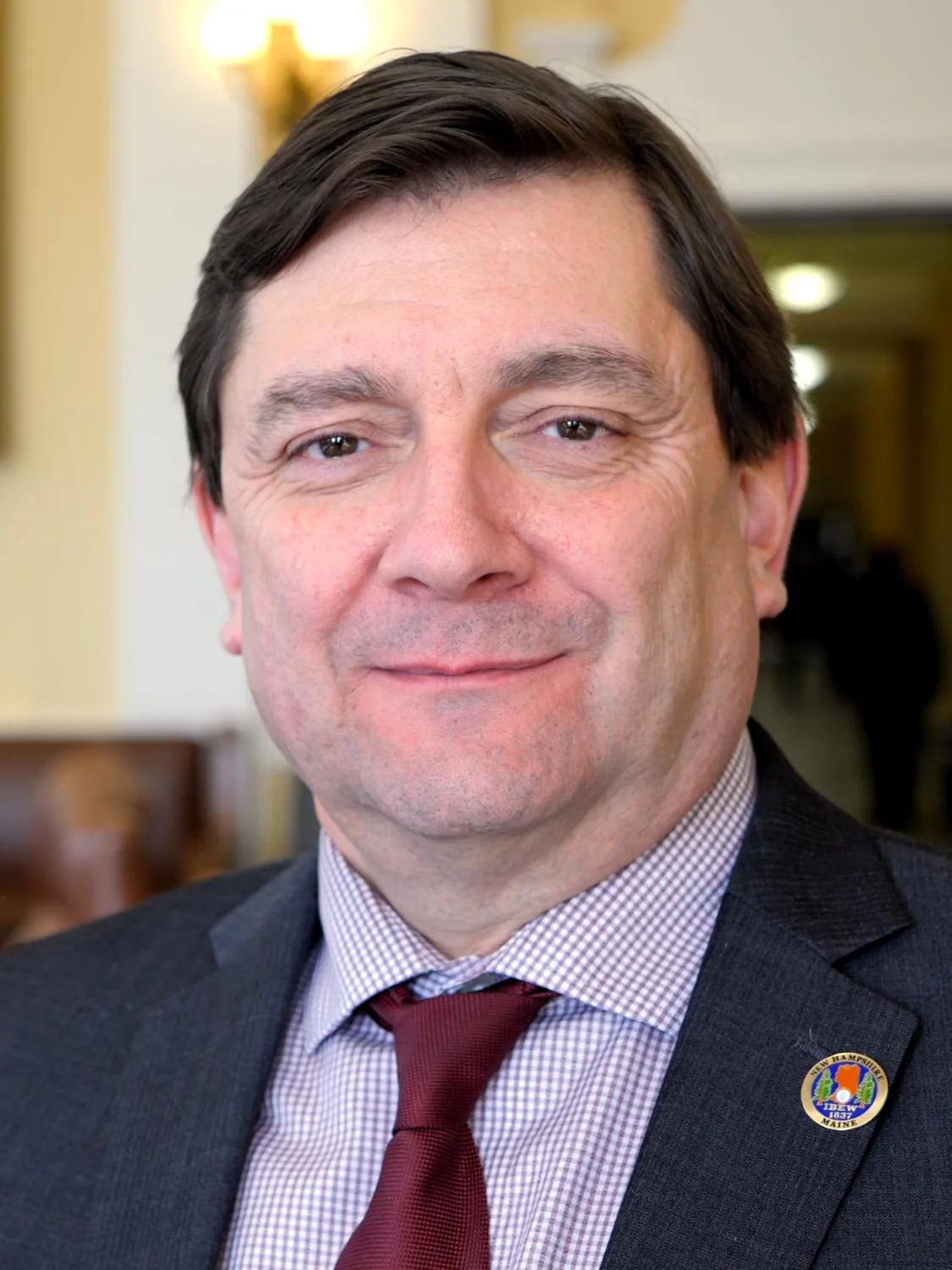
John Stegner is an unaffiliated candidate for Idaho governor in the November 3, 2026 election. The ballot lists him as John R. Stegner alongside Republican incumbent Brad Little, Democrat Terri Pickens and other candidates. His previous role was judicial rather than partisan executive leadership, making the move from adjudicating disputes to campaigning on policy a defining feature of his candidacy.
Education and early legal work
Idaho’s Blue Book records that Stegner grew up in Grangeville, graduated from Whitman College in 1977 and earned his law degree at the University of Idaho in 1982. He worked on the Idaho Law Review and clerked for federal Judge Harold Ryan before joining a Lewiston law firm, where he practiced for more than a decade.
The courts and the gubernatorial transition
Governor Butch Otter appointed Stegner to the Idaho Supreme Court in May 2018, and he was sworn in that June. Idaho Press reports that he previously served as a district judge in Moscow and retired from the high court in 2023. His campaign launch followed the collection of signatures needed to appear on the November ballot as an independent.
Sources: Idaho 2023–2024 Blue Book judicial biography ↗ · Idaho Press reporting on campaign launch ↗
Treatment courts as part of the biography
Stegner’s campaign highlights work developing drug and treatment courts, presenting those institutions as a way to address addiction while reducing incarceration costs and supporting public safety. That is a concrete judicial-policy interest distinct from his Supreme Court title. The campaign uses it to explain a problem-solving approach, although claims about the programs’ results require evaluation beyond the campaign’s own description.
Sources: Campaign biography and priorities ↗
Public lands, schools and healthcare
His platform identifies public ownership of land, access to healthcare, constitutional responsibilities for education and long-term water policy as priorities. It also argues that communities should have a meaningful role in decisions about data centers. These positions give substance to his nonpartisan message: independence describes his ballot status, while the published agenda shows what he actually proposes to do with the office.
Sources: Campaign biography and priorities ↗
The current education and rights argument
In an October interview with BYU-Idaho Radio, Stegner advocated redirecting money from private-school subsidies to public education. He also said he supported the reproductive-rights initiative and would respect voters’ decision if it passed. Those are campaign positions, separate from his former judicial duties, and provide a current record against which to compare his broader argument for constitutional and practical leadership.
Prepared with AI assistance. Source-based reporting checked on October 24, 2026. This article does not update automatically. Read our editorial standards.