- State
- Oregon
- Office / race
- U.S. Senate
- Party
- Democratic
- Reviewed
- October 24, 2026
Career timeline
Seeking another six years

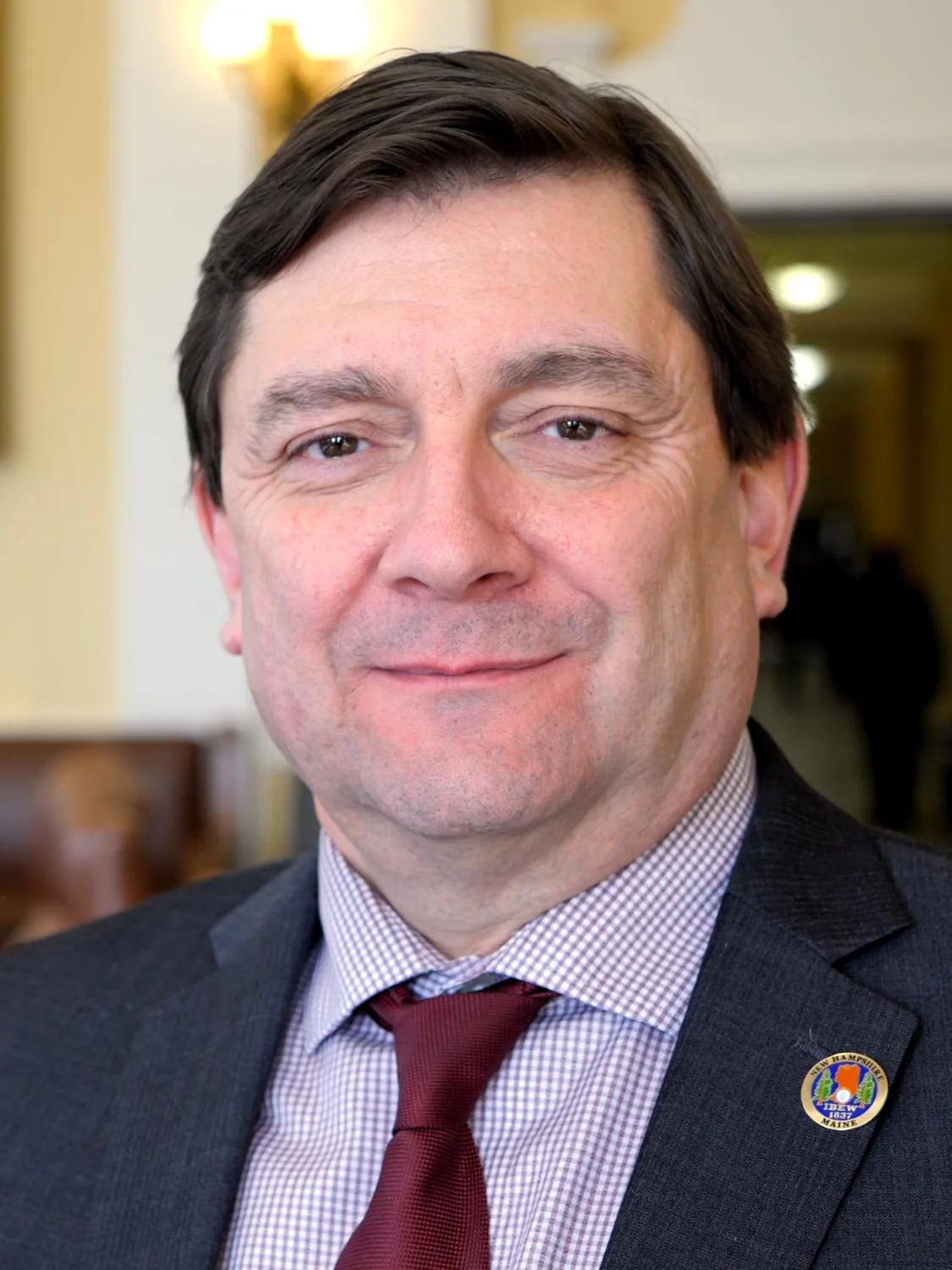
Jeff Merkley is seeking a fourth term in the U.S. Senate, facing Republican state Senator David Brock Smith and two minor-party candidates. The Oregon Capital Chronicle identifies him as the Democratic incumbent and notes his Working Families Party cross-nomination. First elected in 2008, he enters this election with a considerably longer Washington record than his principal challenger.
Sources: Oregon Capital Chronicle general-election Senate guide ↗
A timber-country upbringing
Merkley was born in Myrtle Creek and grew up in a family supported by timber and manufacturing work. His father worked as a millwright; the family later moved to East Multnomah County. His official biography describes him as the first in his family to graduate from college, a milestone he continues to connect to his argument about economic opportunity.
Sources: Official Senate biography ↗
Housing before the Senate
An internship with Senator Mark Hatfield helped draw Merkley toward public policy. He later worked on nuclear-disarmament and military-spending issues before returning to Oregon and leading Portland Area Habitat for Humanity. Affordable-housing work exposed him to problems that nonprofit organizations could not resolve alone, and his official account identifies that experience as a reason he sought elected office.
Sources: Official Senate biography ↗
From legislator to speaker
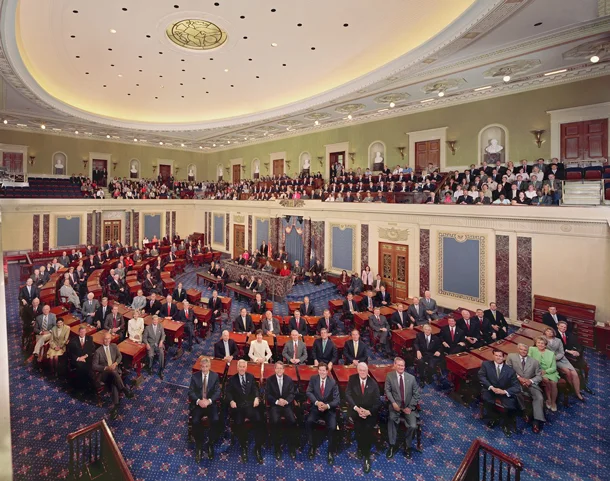
Merkley won a state legislative seat in 1998 and became Oregon House speaker in 2007. His official biography highlights that session’s rainy-day fund, prescription-drug measures and protections against discrimination. He won a U.S. Senate seat the following year. The progression from nonprofit work to state leadership remains central to the experience he offers voters.
Sources: Official Senate biography ↗
Housing and work as federal priorities
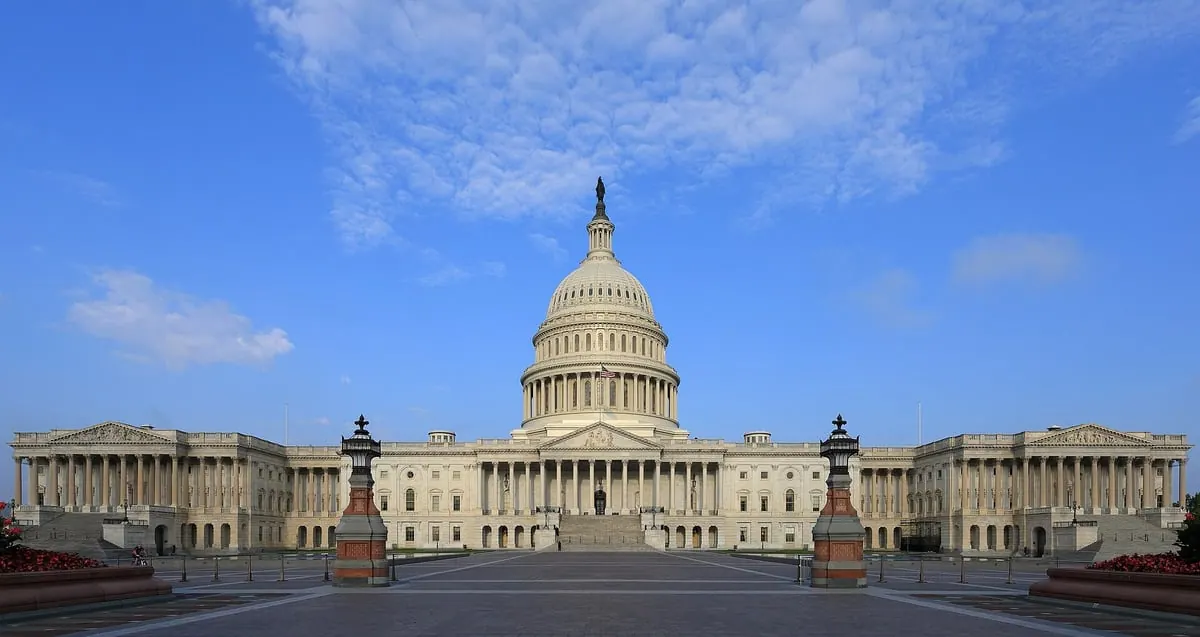
Merkley’s Senate office advocates additional affordable housing, stronger protections for organizing workers and a higher minimum wage. It also describes proposals to restrict hedge-fund ownership of homes and expand career and technical education. These priorities connect his earlier housing work to present federal policy, with particular attention to the cost of establishing a stable household.
Sources: Official legislative priorities ↗
The campaign’s broader argument
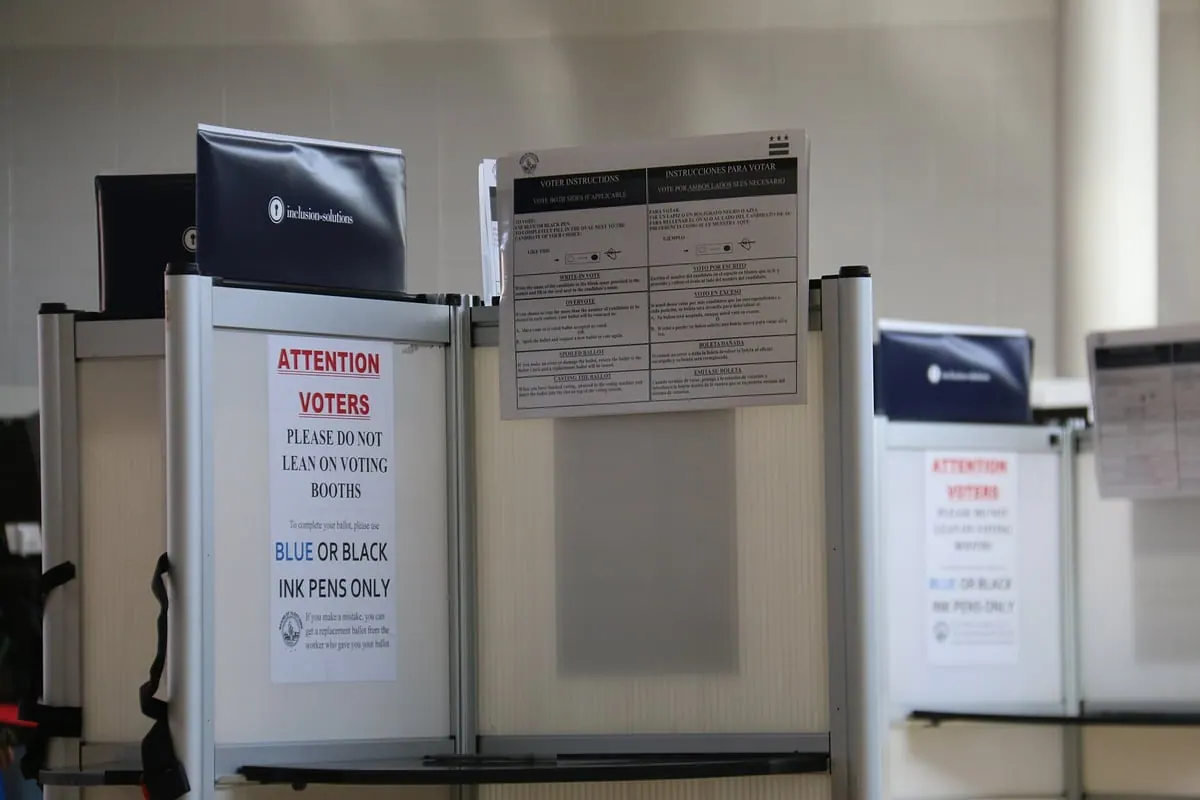
His campaign calls for a transition to clean energy, stronger voting protections and limits on undisclosed political money. It also supports changes to the presidential election system and opposition to partisan gerrymandering. These positions place democratic institutions alongside economic and environmental issues in his reelection pitch, giving voters a clearer picture of the changes he would pursue in another term.
Sources: Merkley campaign platform ↗
Prepared with AI assistance. Source-based reporting checked on October 24, 2026. This article does not update automatically. Read our editorial standards.