- State
- Louisiana
- Office / race
- U.S. Senate
- Party
- Democratic
- Reviewed
- October 24, 2026
Career timeline
The candidate behind the Ballotpedia search
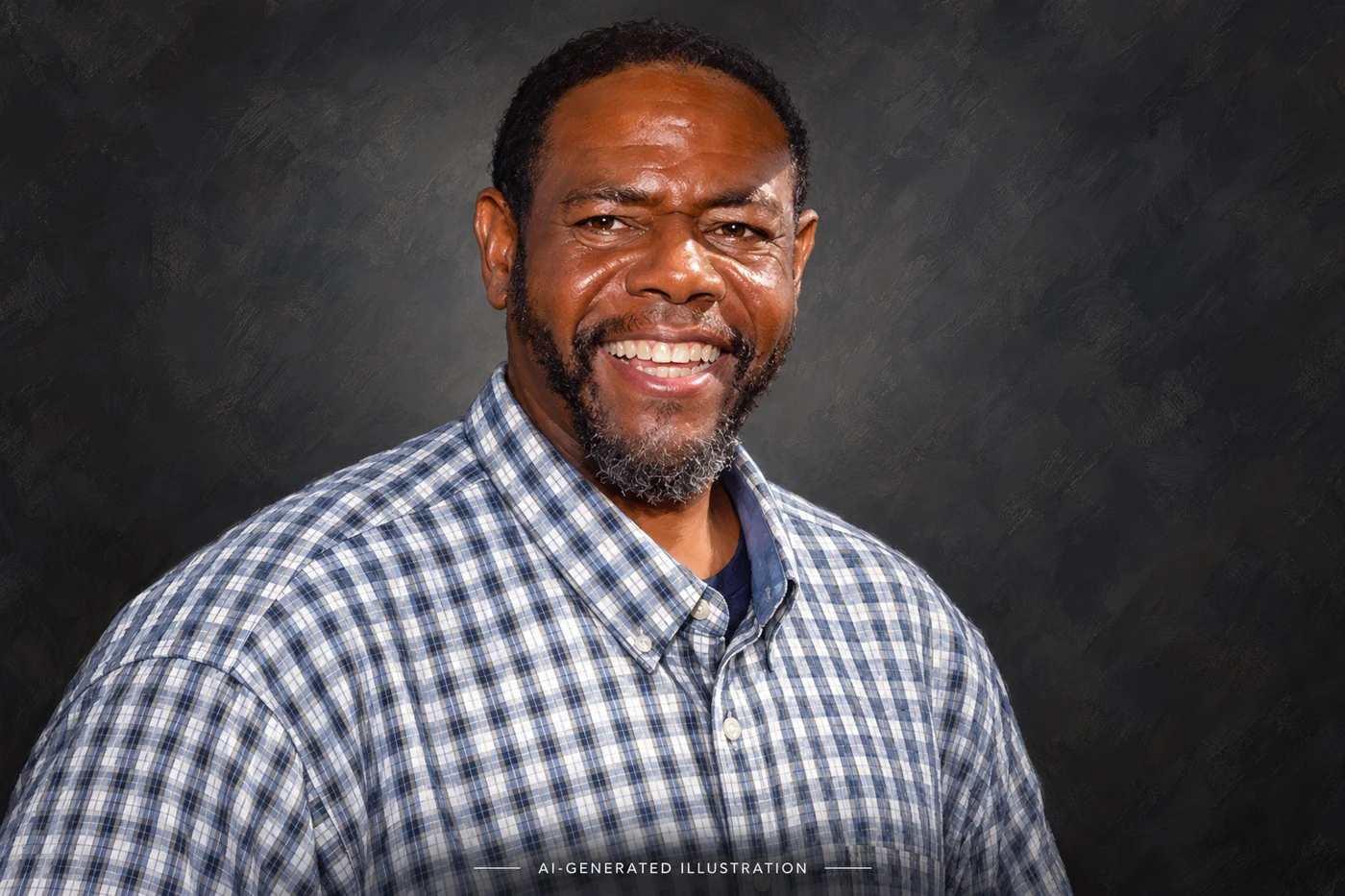
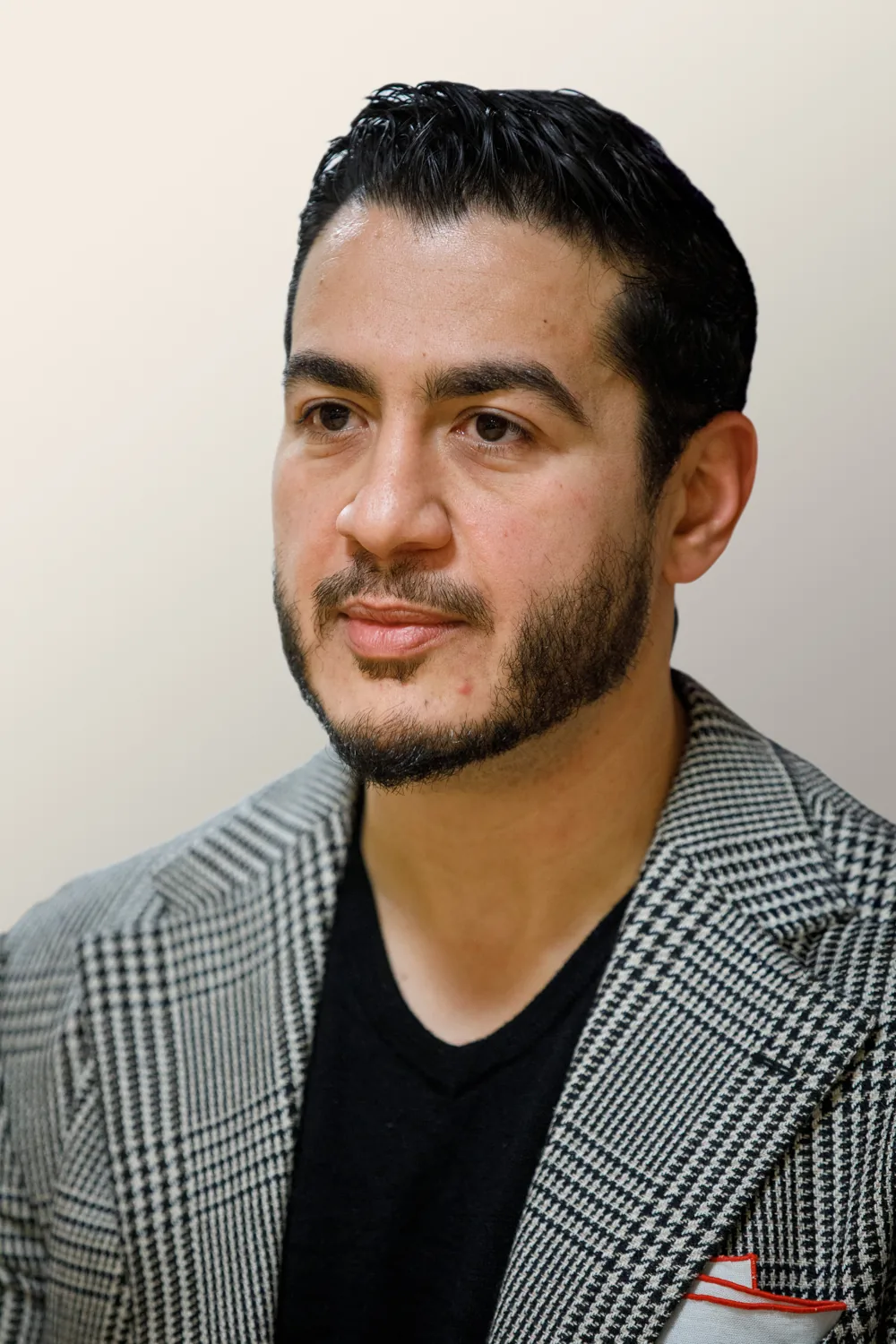
Jamie Davis is James “Jamie” Davis Jr., the Louisiana Democrat running for the U.S. Senate in the November 3, 2026 general election. He is a farmer and former Tensas Parish official, not a sitting United States senator. His Ballotpedia profile connects that ballot name to his political background and the proposals he has described in his own questionnaire.
His opponent is Republican Julia Letlow. Louisiana’s official candidate listing supplies the ballot reference; Ballotpedia provides an election profile and the Candidate Connection questionnaire Davis completed. These sources answer different questions. An official candidate list establishes who qualified for an election. A candidate’s questionnaire establishes what that person says about his background and intended policies. Neither should be treated as an independent endorsement.
Davis’s own biography describes a route from the Louisiana Delta into agriculture and local office. Born in Houston, he says he returned to Louisiana as a child, attended public schools and enrolled at Louisiana State University to study electrical engineering. The record reviewed here establishes study, not completion of an engineering degree. That distinction avoids adding a credential his submitted biography does not claim.
He returned to the family’s farming operation. His account identifies Davis Farms as founded by his father in 1977 and describes producing corn, soybeans, cotton and sorghum. He places the family’s work on land connected to his grandfather’s experience as a sharecropper. This is the historical narrative he brings to voters: a family livelihood built over generations and an interest in whether younger relatives can continue living in the same communities.
A June WAFB interview independently places Davis in Tensas Parish and describes his concern about the future his family would inherit. His campaign was then approaching the Democratic runoff. The report’s date is important: it records the case he made before the nomination was settled, rather than a new announcement of his October status.
BallotReady’s profile identifies work with Davis Farms, ownership of Bales n Bushels and service as a District 7 police juror from 2015 to 2019. A police jury is part of Louisiana parish government; the title does not describe courtroom jury service. His experience is therefore local government and business, rather than a congressional voting record. That background can explain his priorities without being confused with experience he has not claimed.
Sources: Louisiana secretary of state: November Senate candidates ↗ · WAFB: A farmer’s longshot Senate bid ↗ · Ballotpedia — Jamie Davis (Louisiana) and candidate-submitted survey ↗ · BallotReady — professional background ↗
A local record becomes a statewide argument
Davis was elected to the Tensas Parish Police Jury in 2015 and served as its vice president, according to his candidate biography. In 2023, he ran for a Louisiana House seat without winning it. By 2026, he was seeking a seat with federal legislative responsibilities. Each step expanded the constituency he wanted to represent, while leaving agriculture at the center of his public identity.
The Federal Election Commission identifies him as a Democratic Senate candidate under candidate ID S6LA00615 and links him to Jamie Davis for U.S. Senate, the authorized campaign committee. Those identifiers help distinguish this candidate from people with similar names. Financial totals on the FEC site also carry coverage dates; a number covering June cannot responsibly be labeled the final amount raised for an election in November.
Davis has tried to connect the realities of running a farm with broader household pressures. In WAFB’s June interview, he described affordability, healthcare, education and constitutional government as the campaign’s main themes. He discussed finding common ground with Republican farmers rather than treating party identity as a substitute for a policy conversation. That is his stated approach; whether it would produce legislative cooperation remains a question for future performance.
His October public statement, published as a submitted article by the Richland Beacon-News, again linked family agriculture with medical costs, utilities and private property. He advocated lower prescription costs, protection against shifting data-center power costs to other customers and restrictions on members of Congress trading stocks. Because it was a submitted campaign statement, its account of his priorities is useful primary material, while its claims about his independence should remain attributed to him.
The details expose an important distinction between the campaign story and the office sought. A senator can propose legislation, vote on federal spending and conduct oversight. A senator does not administer Louisiana’s hospitals or personally set every local utility bill. Promises about outcomes therefore need a route through legislation, regulation, funding or cooperation with other governments.
For voters, the relevant assessment is not whether a farming background sounds different from Washington. It is how Davis connects that background to an identifiable proposal. Which part of healthcare financing would he change first? What standards would make industrial development pay its own costs? Which commitments require new federal law? These are the practical questions that turn a personal narrative into a governing program.
The race also requires a distinction between an opponent’s silence in a particular questionnaire and an absence of positions altogether. WRKF said only Davis answered its October questions. That makes its article a detailed record of his responses, not a complete side-by-side assessment of both candidates’ views.
Sources: Ballotpedia — Jamie Davis (Louisiana) and candidate-submitted survey ↗ · Federal Election Commission — candidate S6LA00615 ↗ · WAFB: A farmer’s longshot Senate bid ↗ · Richland Beacon-News — candidate-submitted statement, October 22, 2026 ↗
Healthcare, land and technology in his own answers
The October 19 WRKF questionnaire gives voters a concrete set of Davis positions. He opposed the use of eminent domain for carbon-capture pipelines and advocated repealing the federal 45Q credit supporting such projects. He also backed funding Louisiana’s Coastal Master Plan and restoring disaster-mitigation grants. These answers connect landowner rights with the financial and environmental decisions affecting the state, but they remain proposals rather than enacted changes.
On technology, he supported pausing data-center development while impacts are assessed, stronger community participation and independent safety reviews for major artificial-intelligence models. A pause and a permanent prohibition are different policies. His questionnaire supports reporting a moratorium position; it does not justify inventing a timetable, a list of affected projects or detailed exceptions that he did not specify in the material reviewed.
His healthcare position also has several layers. The campaign and candidate questionnaire emphasize protecting access to coverage and reducing the burden of treatment. In the June WAFB interview, he described restoring Affordable Care Act subsidies and strengthening Medicaid and Medicare as immediate objectives, with a broader Medicare option as a longer-term ambition. These commitments should not be collapsed into a claim that an entire replacement system is already designed.
He has supported abortion decisions being made by patients and doctors. In other published answers, he has spoken about border security alongside a workable immigration process. Each subject involves legislation and implementation choices that a general statement cannot fully specify. The useful next question concerns the text of a bill he would support, its eligibility rules and its cost, rather than assuming a campaign phrase settles all three.
Education forms another part of his argument about whether families can build a future in Louisiana. His submitted Ballotpedia answers favor public schools, teacher compensation and routes into college, vocational training and technical careers. These are related objectives but different policy instruments. Federal aid, state education budgets and local hiring decisions do not operate through one office. An assessment of results would need to identify which level of government took which action.
The questions still open are therefore substantive. How would he fund expanded healthcare access? What would a data-center moratorium cover, and what evidence would allow it to end? How would he combine landowner protections with projects that claim wider public benefits? The sources establish his direction without resolving every implementation detail.
As of October 28, the documented story is a Democratic Senate nominee drawing on farming and parish government to argue for affordability and community control. The election will determine whether he receives the authority to pursue that argument in Washington. Until then, the clearest way to read the profile is to keep three things visible: the experience he already has, the commitments he has stated and the decisions he would still need to make in office.
Sources: WRKF: November 3 Senate candidate questionnaire ↗ · WAFB: A farmer’s longshot Senate bid ↗ · Ballotpedia — Jamie Davis (Louisiana) and candidate-submitted survey ↗
Prepared with AI assistance. Source-based reporting checked on October 28, 2026. This article does not update automatically. Read our editorial standards.