- State
- New Mexico
- Office / race
- Governor
- Party
- Republican
- Reviewed
- October 24, 2026
Career timeline
From Rio Rancho to the statewide ballot
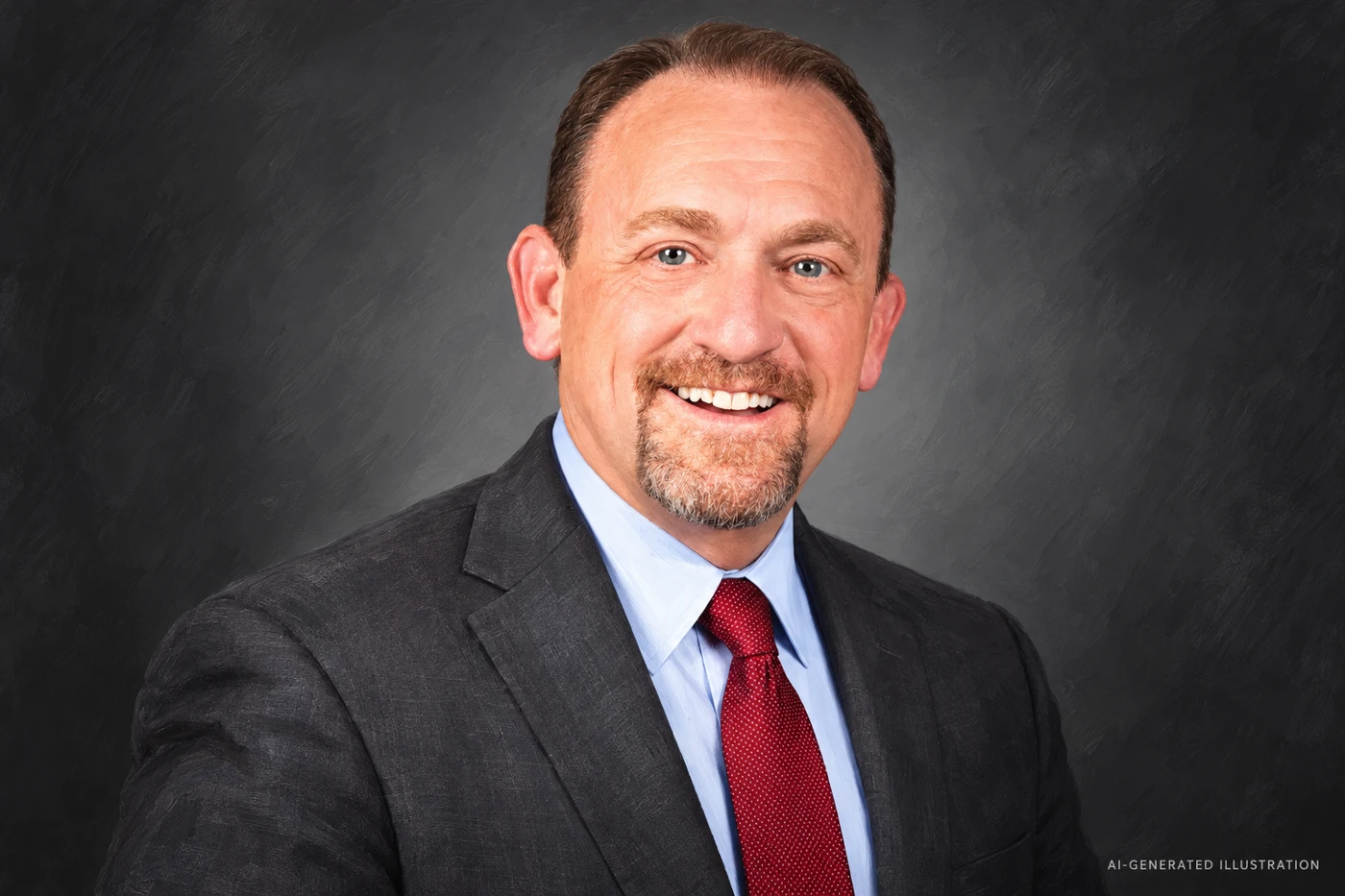
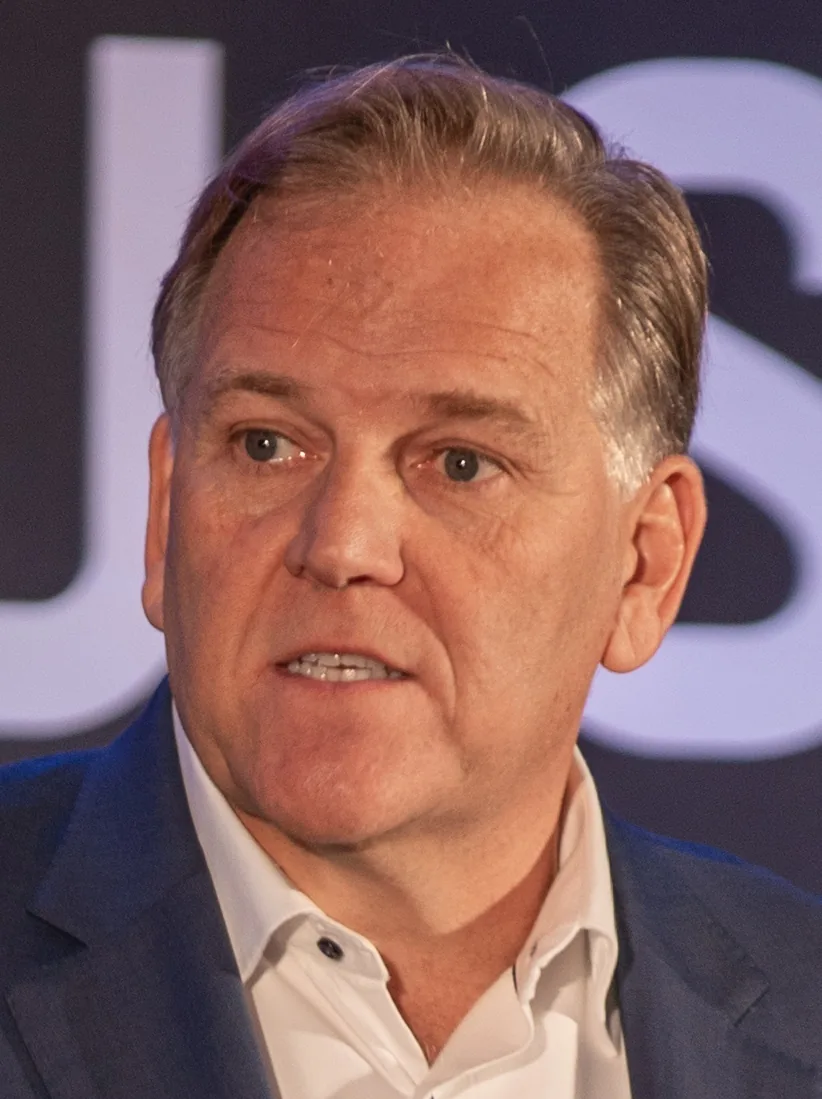
Gregg Hull spent twelve years as Rio Rancho’s mayor before asking New Mexico voters for a much larger responsibility. His 2026 campaign for governor rests on a straightforward proposition: the experience of attracting employers, overseeing local priorities and working with neighboring governments can prepare a person to lead the state. Whether that municipal record translates into statewide government is the central test of his candidacy.
The Republican’s formal name is Greggory D. Hull. His running mate is David Gallegos. Their opponents are the Democratic ticket of Deb Haaland and Stephanie Garcia Richard in the November 3, 2026 election.
Hull’s career began in business rather than in the Legislature. Mission: Graduate’s professional biography identifies him as a former president and chief executive of Certified Packing and Crating and Express Manufactured Homes. That older institutional biography also records an interest in economic development, water and road infrastructure, quality of life and community participation. Its family counts and description of him as mayor are historical; they should not be presented as a current snapshot.
The current campaign describes his first mayoral election in April 2014 and reelections in March 2018 and March 2022. It emphasizes infrastructure, public safety and economic development during those years. These are the campaign’s claims about its candidate’s priorities, rather than an independent audit of every result attributed to him. A useful assessment would compare the claims with project records, budgets and changes in city services over time.
His mayoralty ended in 2026. Rio Rancho’s current official mayor page identifies Paul Wymer as elected in April to a four-year term. That distinction matters when reading older biographies: Hull’s municipal experience is part of his résumé, but he is campaigning as a former mayor. A page retained online with an old job title cannot override the city’s current account of who holds office.
For a voter, the attraction of the résumé is practical experience with the operation of government. The unanswered question is its scale. A governor must work with the Legislature, statewide agencies and constituencies whose needs extend beyond one municipality. Local executive experience is relevant preparation; it does not remove those institutional differences or settle how a candidate would manage them.
Sources: New Mexico Secretary of State — 2026 general-election candidate display ↗ · Albuquerque Journal — Hull’s mayoral record and background, May 11, 2026 ↗ · Mission: Graduate — Gregg Hull professional biography ↗ · Hull campaign — Leadership and community roles ↗ · Rio Rancho — current mayor ↗
The network beyond City Hall
Hull’s municipal career also took him into regional and statewide organizations. His campaign lists leadership in the New Mexico Municipal League, including its presidency in 2025–2026, and chairmanship of the Mid-Region Council of Governments during two periods. Those roles supply a broader picture than a résumé consisting only of a city title. They place him in organizations dealing with relationships among governments rather than within a single department.
Mission: Graduate independently records a May 2017 appointment by Governor Susana Martinez to the New Mexico Workforce Development Board. Its biography also identifies service with the Mid-Region Council of Governments and the New Mexico Mayors Caucus. These are dated institutional references to his participation. They should not be stretched into claims that he controlled every decision those bodies made.
The campaign’s accomplishments page adds transportation and workforce roles, service with the New Mexico Self Insurers Fund and community work with Haven House, a domestic-violence shelter. It dates the Haven House board service to 2015–2020. The dates help distinguish a completed responsibility from a current position. They also show that the campaign is presenting a combination of economic, administrative and community experience rather than a single-issue identity.
His business background is central to that presentation. Running a company can involve payroll, customers, regulatory requirements and decisions about growth. A public office introduces different obligations: services must reach people who are not customers, budgets reflect statutory commitments and officials must justify choices through public processes. The relevant question is how a candidate connects the habits of management to those responsibilities, not whether a business title automatically answers it.
In the Albuquerque Journal’s October candidate questionnaire, Hull identified economic competitiveness as a priority. He advocated phasing out personal income tax, simplifying gross receipts taxes, reducing permitting delays and recruiting employers. He also opposed the proposed constitutional amendment tying legislative salaries to median family income. Those answers identify choices voters can examine; they are not evidence that the proposed changes have already happened.
This is where a biography becomes useful to an election reader. Hull’s history explains why he emphasizes recruitment and management, while his policy statements indicate what he would seek to change. The link remains an argument that must be tested. An employer announcement does not by itself measure long-term economic benefit, and a proposal to reduce administrative delay still needs rules defining what decisions would be faster and how public protections would work.
The statewide campaign therefore asks voters to evaluate both record and design: what the former mayor did in office, which institutions helped shape his experience and whether his proposed state changes are sufficiently specific to judge.
Sources: Mission: Graduate — Gregg Hull professional biography ↗ · Hull campaign — Leadership and community roles ↗ · Albuquerque Journal — October candidate questionnaire ↗
Four Steps to Zero and the decisions still ahead
On October 5, 2026, Hull introduced the tax proposal he calls Four Steps to Zero. Its central distinction is between eligible personal income and net business profits. The campaign proposes a conditional phaseout of state tax on the former while retaining tax on the latter. Calling it an immediate elimination of every New Mexico income tax would misstate the plan.
The campaign’s launch announcement starts relief with the first $25,000 of eligible taxable personal income for single filers and $50,000 for married couples filing jointly. These figures refer to income after relevant deductions and exemptions, not simply the gross salary printed on a paycheck. Earning more than the initial band would not erase the relief on that first portion.
The separate plan page describes successive single-filer bands of $50,000 and $100,000, with joint-filer bands twice those amounts, before a final step covering remaining eligible personal income. It identifies qualifying wages, retirement income and personal investments as intended beneficiaries. Net operating-business profits, rental profits, royalties and taxable gains on the sale of a business or its assets would remain taxable, as would corporate income and gross receipts taxes.
The distinction creates administrative questions. An owner who works in a business could receive qualifying compensation, while ownership alone would not turn profits into tax-free personal income. Rules would need to determine reasonable compensation and prevent income from being relabeled merely to obtain relief. The campaign itself acknowledges that detailed implementation and fiscal analysis remain necessary.
Its stated safeguards also matter. Each step would require legislative authority, sufficient ongoing revenue, adequate reserves and funding for obligations including schools, healthcare and public safety. The proposal says permanent reductions would not be financed by higher taxes, one-time balances or extraordinary withdrawals from permanent funds. Four years is described as a goal rather than an unconditional schedule. If the requirements are not met, the next reduction waits.
Those qualifications make the plan more complicated than its title. They are also what voters need to assess. A complete fiscal estimate would show the revenue lost at each step, the assumptions used for protected services and how the state would respond to a downturn. The launch release says a complete statewide analysis and an affordable completion schedule had not yet been established. The article therefore cannot supply a guaranteed household saving or completion year.
If the full proposal fails, Hull says he would pursue narrower retirement-income relief with separate cost review. The governing question remains the same: which changes can win legislative approval and remain funded after enactment? His mayoral background explains the pitch. The tax proposal provides the clearest test of how that pitch would become state policy.
Sources: Source New Mexico / KANW — Hull’s income-tax proposal, October 5, 2026 ↗ · Hull campaign — Four Steps to Zero proposal, October 5, 2026 ↗ · Hull campaign — detailed tax proposal ↗
Prepared with AI assistance. Source-based reporting checked on October 28, 2026. This article does not update automatically. Read our editorial standards.