- State
- Alabama
- Office / race
- U.S. Senate
- Party
- Democratic
- Reviewed
- October 24, 2026
Career timeline
Alabama’s Democratic nominee
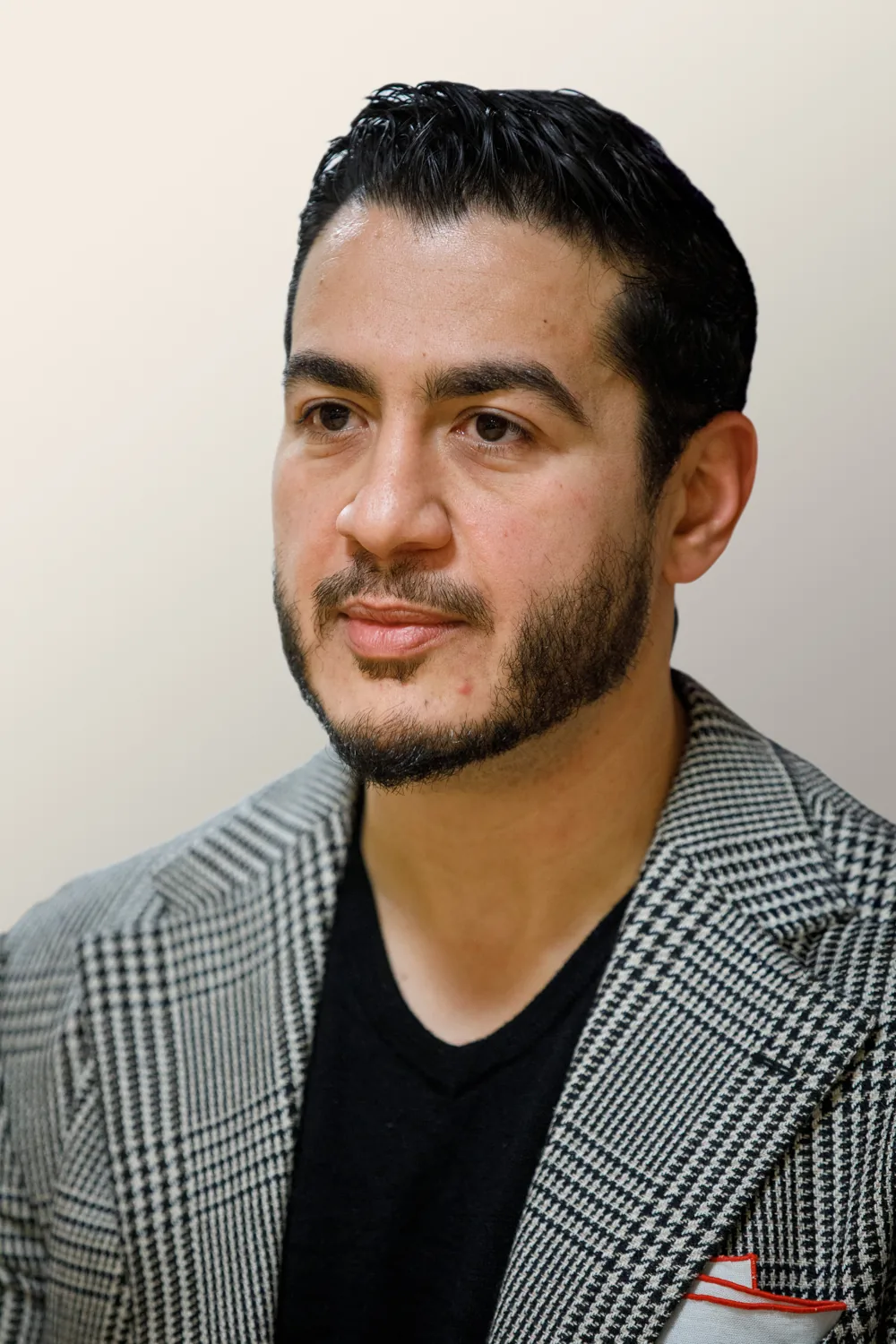
Everett Wess is the Democratic nominee for Alabama’s U.S. Senate election on November 3, 2026, facing Republican Congressman Barry Moore. The nomination followed a June runoff against Dakarai Larriett. His general-election candidacy places a lawyer with municipal judicial experience opposite a sitting member of Congress, giving voters two distinctly different routes into a statewide federal contest.
An education across disciplines
Wess’s campaign biography lists a law degree from Birmingham School of Law, an MBA and a computer-science bachelor’s degree from Alabama A&M University, and an associate degree in music education from Selma University. The combination is unusually varied for a Senate candidate: his professional preparation spans technology, business and law rather than beginning and ending with a single political career.
Sources: Wess campaign: biography ↗
Technology before the courtroom
In a May 2026 Spectrum News interview, Wess described spending approximately 17 years in information technology, much of it in Huntsville. He said his software work included NASA contracts and Army missile-system training software. He later moved into legal practice in Birmingham. Those details are his account of his career transition, offered to explain the technical and legal experience behind his campaign.
A practice on several sides of the law
His campaign identifies him as managing partner of the Wess Law Firm since 2001, with work in estate planning and criminal defense. It also describes a decade representing defendants through the federal Criminal Justice Act panel, municipal judicial service in Midfield, and earlier work as a prosecutor and public defender. That record explains why access to representation and constitutional protections feature prominently in his public presentation.
Sources: Wess campaign: biography ↗
Community organizing experience
Wess told Spectrum News that he had lived in several parts of Alabama and led Alabama New South, a community organization involved in voter registration and youth development. He also described board work with Legacy Works and Childhaven. In the interview, he framed constitutional questions, including redistricting and due process, as issues on which legal experience would be useful in Congress.
The priorities he is offering voters
The Alabama Reflector reports that Wess favors wider healthcare access, stronger public safety and civil-rights protections. He has called for congressional involvement in tariff decisions and tighter federal regulation of automated license-plate readers. These proposals extend his courtroom emphasis on accountability into economic policy and surveillance, subjects on which senators can legislate and oversee executive agencies.
Prepared with AI assistance. Source-based reporting checked on October 24, 2026. This article does not update automatically. Read our editorial standards.