Laubacher leads the preliminary count in Colorado’s 4th District
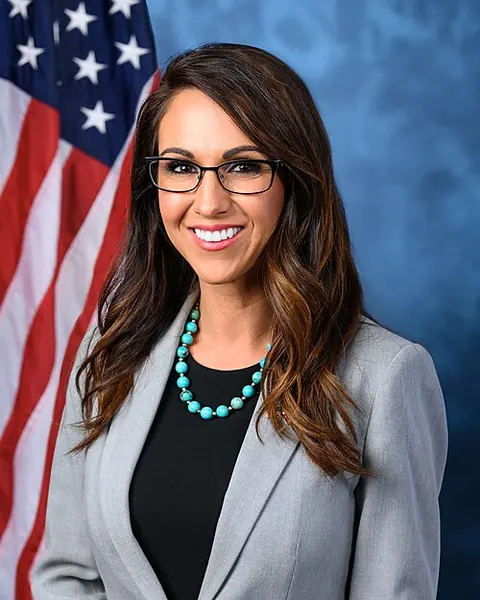
Democrat Eileen Laubacher was ahead of Republican Rep. Lauren Boebert in Colorado’s 4th Congressional District in a November 4 update from the secretary of state. The contest remained uncalled in the independent reporting reviewed Wednesday evening. The state’s unofficial table showed 174,860 votes for Laubacher, 171,377 for Boebert and 11,433 for Libertarian Douglas Mangeris. Laubacher led by 3,483 votes, or just under one percentage point of the 357,670 votes displayed for the contest.
The election was held November 3. The state reporting page labeled its returns unofficial and indicated that post-election reporting was in progress. Colorado Public Radio identified the three candidates in its results coverage, and Axios and The Wall Street Journal independently reported that Boebert was trailing. Those reports establish where the race stood in the snapshots they reviewed. The exact figures above come from the state table. As counties report additional ballots, the numbers and the margin can change.
The state’s table showed Laubacher with 48.89 percent and Boebert with 47.91 percent. A lead under 50 percent can still produce a winner in this House election because the contest is decided by which candidate receives the most votes. The live question is whether Laubacher’s lead holds through the rest of the count. Mangeris’s tally is larger than the gap between the leaders, but those votes remain his. The tally gives no evidence about how those voters would have chosen in a two-candidate race.
This result is separate from the national call for control of the House. AP reported that Democrats won enough other seats to take the chamber. Colorado’s 4th District still has its own count to finish, and its eventual winner will determine who represents the district and how one seat contributes to the size of the new majority. A national call can settle control while individual districts remain undecided.
Why this is a different contest from Boebert’s 2024 win

Colorado’s 4th District stretches across the Eastern Plains and includes parts of the Front Range, including Douglas County and Castle Rock. The state’s redistricting commission publishes the district map. The geographic mix matters because returns arrive from multiple counties, and a strong result in one population center does not by itself establish the districtwide outcome. County returns are useful for explaining where votes have been counted and where the margin has moved. The contest is decided by the sum across the district.
Boebert entered Congress in January 2021 after winning in Colorado’s 3rd District. Her 2022 reelection there was close. She then ran in the 4th District in 2024 and won. Colorado’s official 2024 abstract recorded 240,213 votes for Boebert and 188,249 for Democrat Trisha Calvarese, a difference of 51,964. The Washington Post puts her 2024 advantage at 11.6 percentage points. The 2026 state snapshot showed a much closer contest, with Boebert behind. The comparison is between a certified election and a preliminary count, so it describes the change in the available returns without treating the present margin as final.
Douglas County illustrates why the districtwide comparison matters. In the certified 2024 count, Boebert beat Calvarese by 1,343 votes in that county. Her lead across the entire district was nearly 39 times that size. That historical result shows how close returns in the suburban portion can coexist with a much larger difference once the rest of the district is counted.
Laubacher came to the race from military service. The Navy’s biography records that she graduated from the U.S. Naval Academy and was commissioned in 1990. She served as the U.S. defense attaché to India from June 2019 to June 2022 and held a National Security Council role focused on South Asia from October 2022 to May 2024. CPR reported that she sought support across the district, including rural communities where Democratic candidates have struggled. The Washington Post reported that she had previously been a Republican and pitched her candidacy to independent and conservative voters.
That background gave Laubacher a different argument for the seat from Boebert’s case as a sitting member of Congress. Boebert’s House biography identifies this as her third term and her first representing the 4th District. She was seeking a fourth term in the House overall. Laubacher sought her first elected term in Congress. The returns measure support for their candidacies. They cannot determine how much the candidates’ backgrounds, national politics or local concerns influenced the result.
Which ballots and dates can still affect the result
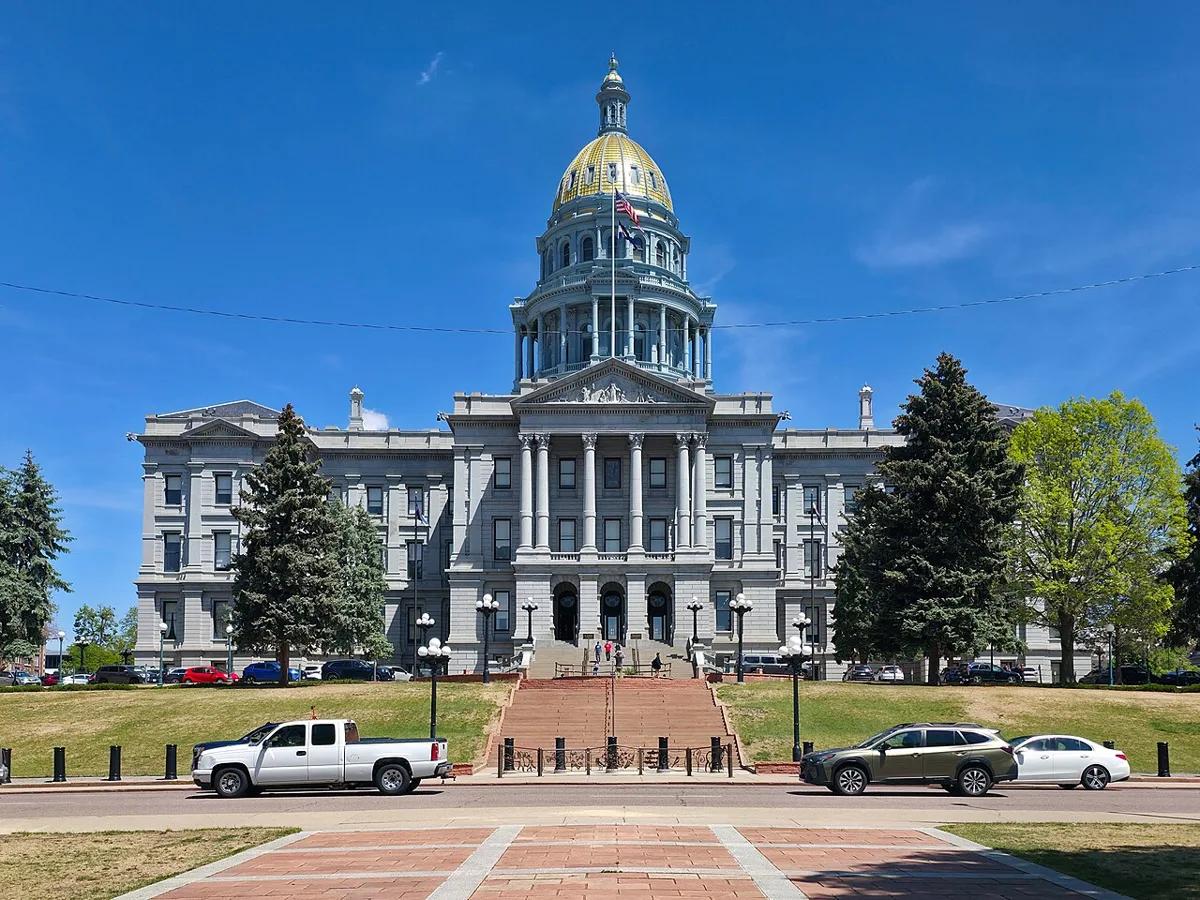
Colorado publishes election-night totals before the county canvasses are finished. One reason a count can change after election night is that eligible voters can resolve certain problems with ballots they already submitted. The state calendar lists November 12 as the last day to fix a missing or mismatched signature or provide missing identification for a mail or provisional ballot to be counted. That deadline applies to resolving a problem on an existing ballot. It does not extend Election Day for voters who did not cast a ballot.
The same calendar sets November 25 as the deadline for counties to finish the general election canvass and submit official vote abstracts. The secretary of state’s deadline to compile the returns and order appropriate recounts is November 27. An unofficial results page can be updated several times before those steps. A media call can come before the canvass if a newsroom concludes that the trailing candidate no longer has a path to catch up.
Colorado’s automatic recount rule uses the votes received by the candidate in first place as its denominator. A recount is required when the difference between the two highest totals is no more than half of one percent of the leading total. It does not use half of one percentage point of all votes cast. In the November 4 snapshot, half of one percent of Laubacher’s 174,860 votes was about 874 votes. The reported gap of 3,483 was larger. That calculation illustrates how the rule works. It cannot determine whether an automatic recount will be required after the canvass because the final totals are still pending.
The next evidence is the state’s updated district table as counties complete their reports. The margin can grow or shrink even while the total number of counted ballots increases. A race call, a certified result and a recount order each answer a different question. As of the November 4 reports reviewed here, Laubacher led the unofficial count, Boebert remained in contention and Colorado had yet to certify a winner.
View sources
Source publication or schedule date: November 4, 2026
- Colorado Secretary of State — November 2026 unofficial election results
- Colorado Public Radio — 4th Congressional District results and campaign reporting
- Axios Denver — preliminary returns for Colorado’s congressional races
- The Wall Street Journal — uncalled House contests on November 4
- The Washington Post — district results and candidate background
- Colorado Secretary of State — certified 2024 abstract of votes cast
- Colorado Independent Redistricting Commissions — approved maps
- U.S. House — Rep. Lauren Boebert’s official biography
- U.S. Navy — Rear Adm. Eileen Laubacher’s official biography
- Colorado Secretary of State — 2026 election calendar
- Colorado Department of State — guide to recounts
- Associated Press — House and Senate control
- Associated Press — how AP counts votes and calls races
Prepared with AI assistance. Source-based reporting checked on November 4, 2026. This article does not update automatically. Read our editorial standards.