- State
- Illinois
- Office / race
- Governor
- Party
- Independent
- Reviewed
- October 24, 2026
Career timeline
An independent on the official ballot
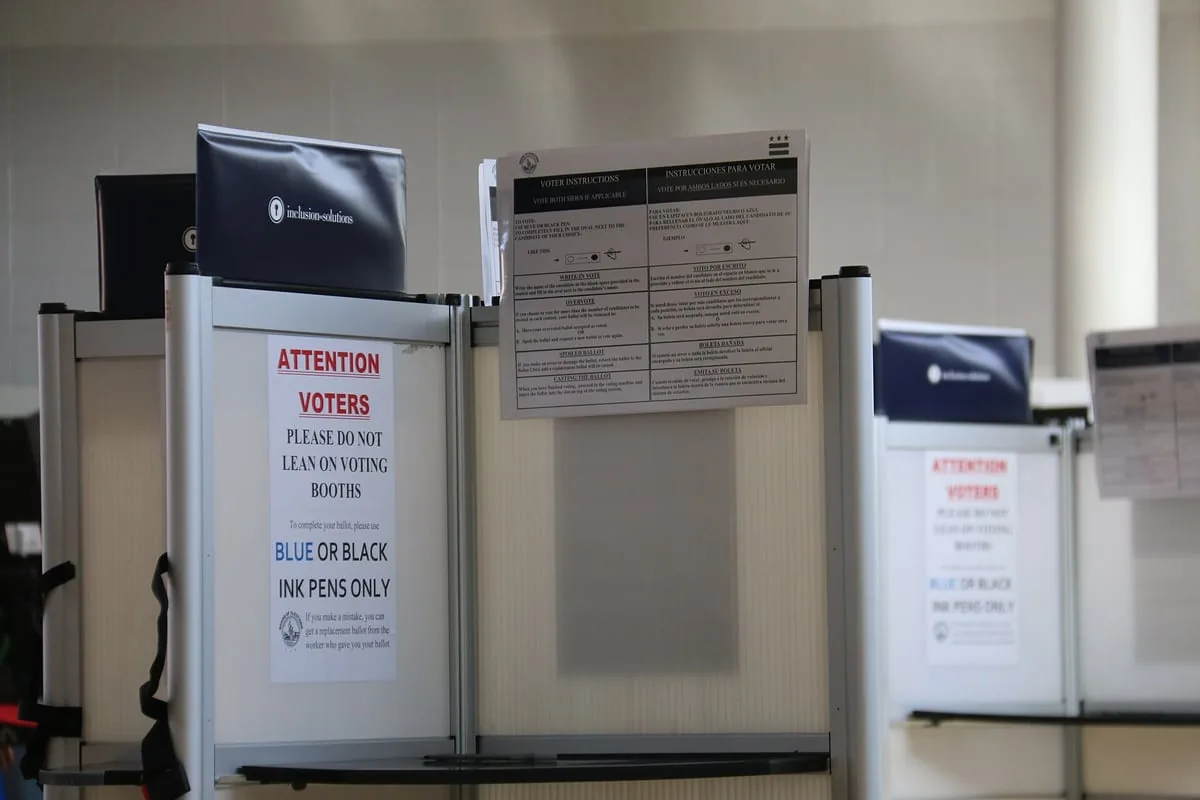
Collin Corbett is an independent candidate for Illinois governor in the November 3, 2026 general election. The state elections board lists his candidacy as active and not a write-in. WTTW’s election guide identifies Carolyn Schofield as his running mate. That official status distinguishes his campaign from informal speculation about possible alternatives to the two major-party nominees.
Sources: Illinois State Board of Elections candidate record ↗ · WTTW general-election candidate listing ↗
The strategist behind the candidacy
Corbett’s campaign biography describes him as a political strategist and small-business owner. It identifies Cor Strategies, EmpowerPolitics and Long9 Studio among the organizations he founded. His route to the ballot is therefore through professional political work and business activity rather than a previous governorship. The background gives voters a concrete way to examine the experience underlying his outsider-to-the-parties message.
Sources: Campaign biography ↗
Community engagement as a professional theme
The same biography emphasizes training people to participate in politics and bringing residents, businesses and local officials together around services and taxation. Those are the campaign’s descriptions of his work, not an independently audited measure of every project’s effectiveness. They nevertheless explain why his pitch places political participation and local consensus alongside the usual statewide arguments about spending and regulation.
Sources: Campaign biography ↗
Why affordability leads his message
In an October interview with The Daily Illini, Corbett placed working-family costs and college affordability at the center of his campaign. He argued that an independent effort could gain enough support to force the major parties to engage with voters outside their bases. That statement helps explain his strategy as well as his policy message, without implying that a particular vote share is assured.
A sales-tax overhaul
In the Chicago Sun-Times questionnaire, Corbett proposed broadening sales taxes to certain nonessential services while lowering baseline rates and removing taxes from more everyday necessities. He argued that the existing structure places too much weight on goods purchased by ordinary households. This is a redistribution of the tax base as well as a tax-relief proposal, so its effects would vary by purchase and taxpayer.
Spending, schools and local obligations
His questionnaire also proposes restraining discretionary spending, measuring program results and reducing unfunded requirements imposed on local governments. He links stronger state school funding to relief from property taxes. These commitments give voters specific fiscal choices to examine: which services would receive money, which would be changed and how a new tax structure would support the education obligations he identifies.
Prepared with AI assistance. Source-based reporting checked on October 24, 2026. This article does not update automatically. Read our editorial standards.