Start with the source, not an aerial photograph
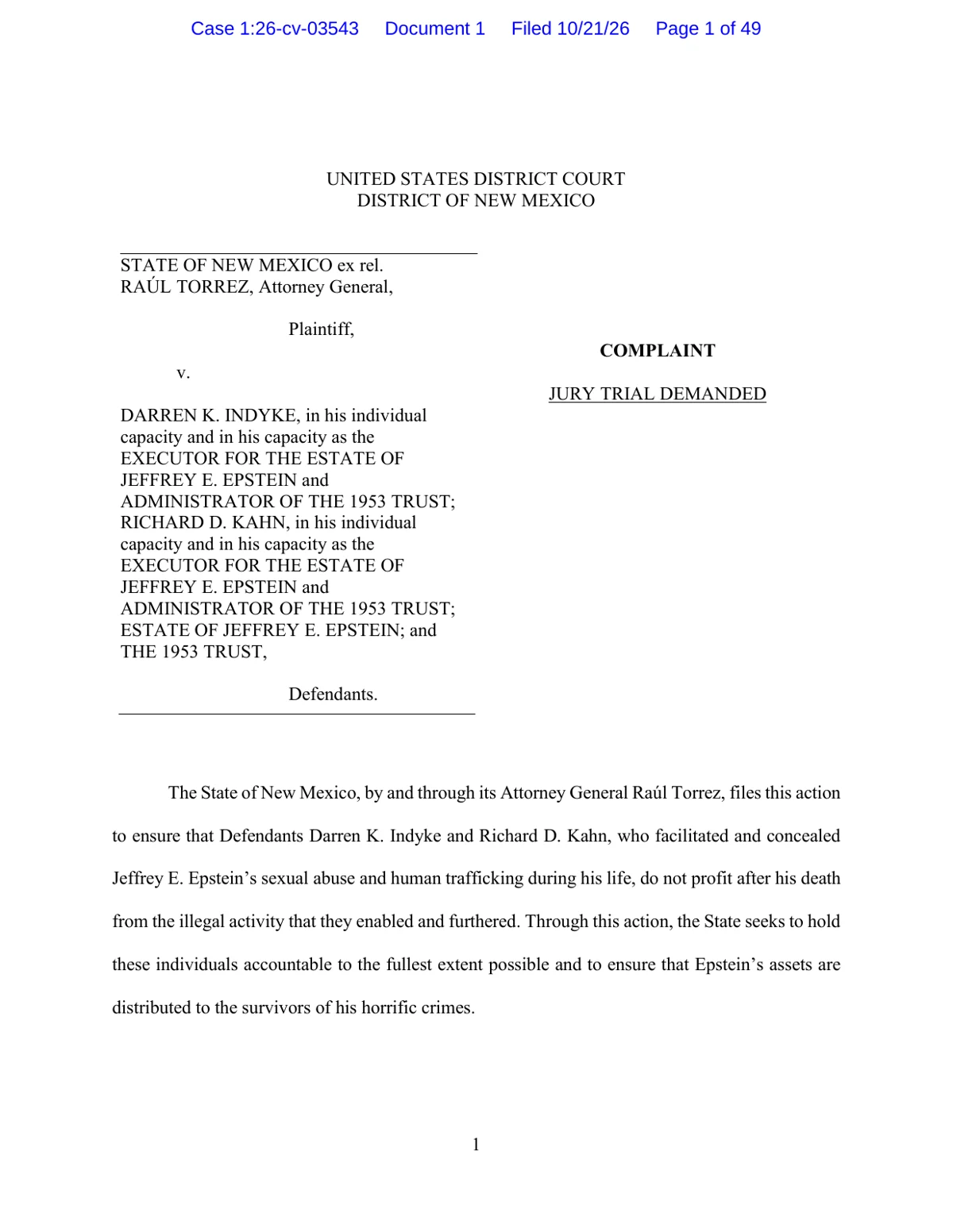
The federal cases describe conduct in more than one place. Maxwell’s sentencing announcement identifies locations in New York, Florida, New Mexico and London. A photograph of an island therefore cannot stand in for the entire geography of the case.[S06]
In this dossier, a location appears with the document that gives it relevance. The aim is to connect places to specific findings or allegations, not to mark every property and visitor as criminal.
What the Virgin Islands settlement covered

In December 2022, the U.S. Virgin Islands announced a civil settlement with Epstein’s estate and related defendants. Its terms included $105 million in cash and half the proceeds from the sale of Little St. James. It also described the sale of both islands to independent third parties and a separate environmental payment concerning Great St. James.[S17]
Those are asset and settlement terms. They should not be converted into findings that every activity at either island was criminal, or that every person connected to a sale had participated in abuse.
Zorro Ranch in the 2026 complaint
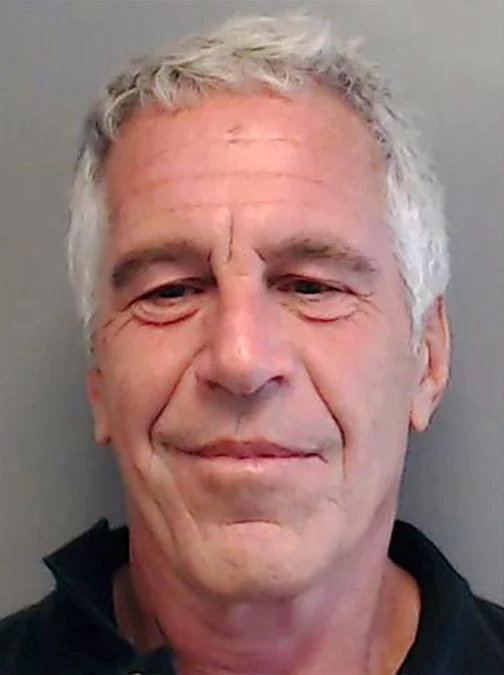
The October 2026 New Mexico complaint places Zorro Ranch in the state’s account of alleged trafficking and financial facilitation. It is a civil pleading, not a judgment establishing those assertions. The new defendants’ response is included in the separate article about that action.[S13]
For a property-focused investigation, ask who owned or controlled it at the relevant time, which witness or document places conduct there, and whether the record describes an allegation or a finding. These are different questions from who attended an event or appeared in a photograph.
No invented rooms, tunnels or reconstructions
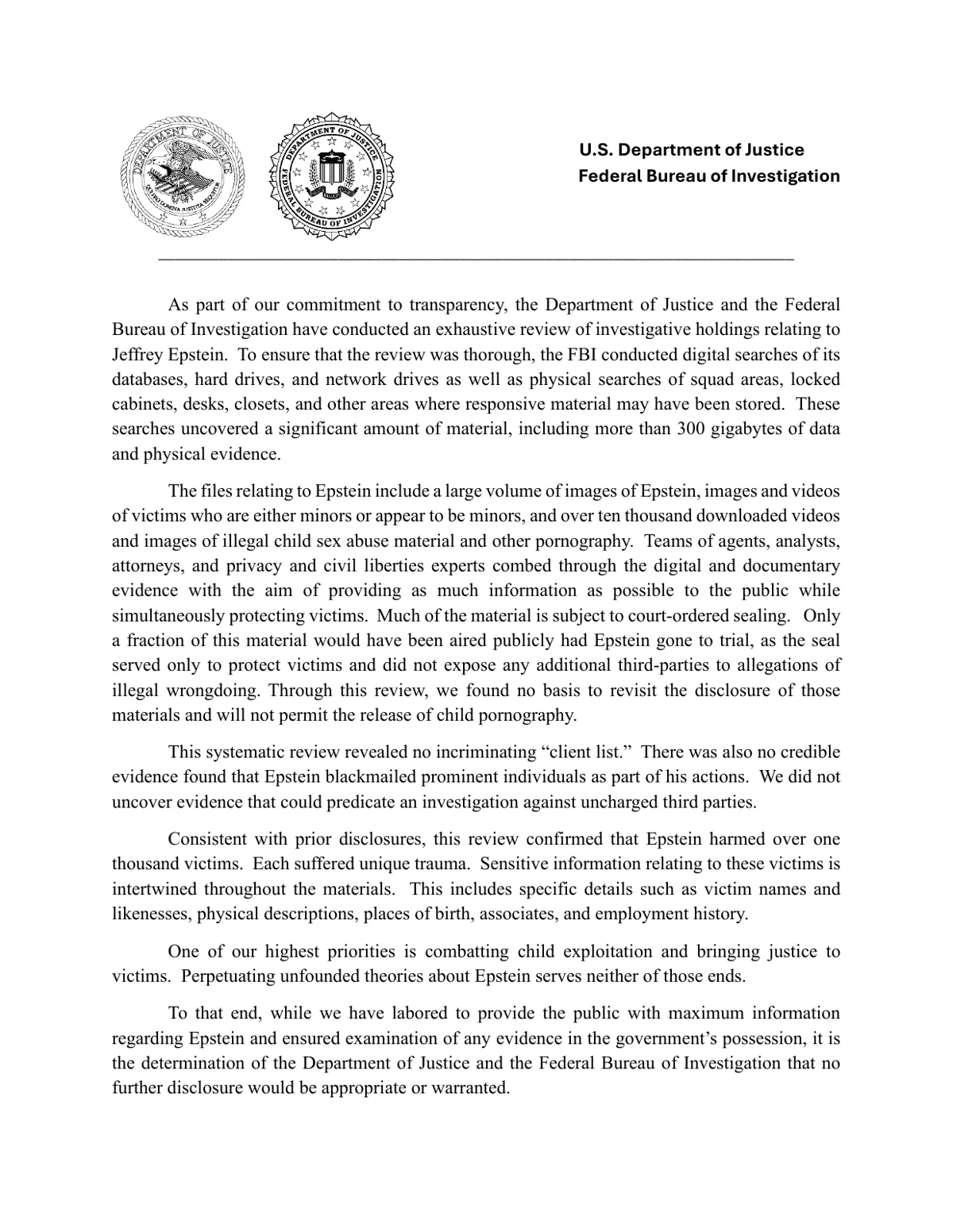
This edition does not publish a reconstructed crime scene, an invented floor plan or a claim about hidden tunnels without an authenticated supporting record. Visual certainty is not a substitute for documentary evidence.
The source library points to court and government materials instead of private addresses, current residents’ details or visitor-identification projects. It is possible to investigate ownership and accountability without encouraging intrusion on people who occupy a property today.
Readers should also distinguish the date of a document from the date of the conduct described. A newly released file about an old event is a new disclosure, not necessarily evidence of a newly occurring crime.