Start with a broken promise, not a costume
A mascot is supposed to make an unfamiliar place feel safe. Its smile announces that the restaurant, attraction or television program has been designed to welcome you. Mascot horror begins when that promise stops matching what the character does. The frightening detail is not merely a large head or an artificial face. It is the discovery that a figure built to communicate friendliness may be watching, controlling or pursuing the people it was meant to reassure.
That is a useful working definition, not a formal rule that every filmmaker follows. Some stories involve possessed animatronics. Others involve a human inside a costume, a toy with a will of its own, or an entire entertainment system that refuses to let its audience leave. These distinctions matter when looking for mascot horror movies: similar artwork does not guarantee the same kind of experience.
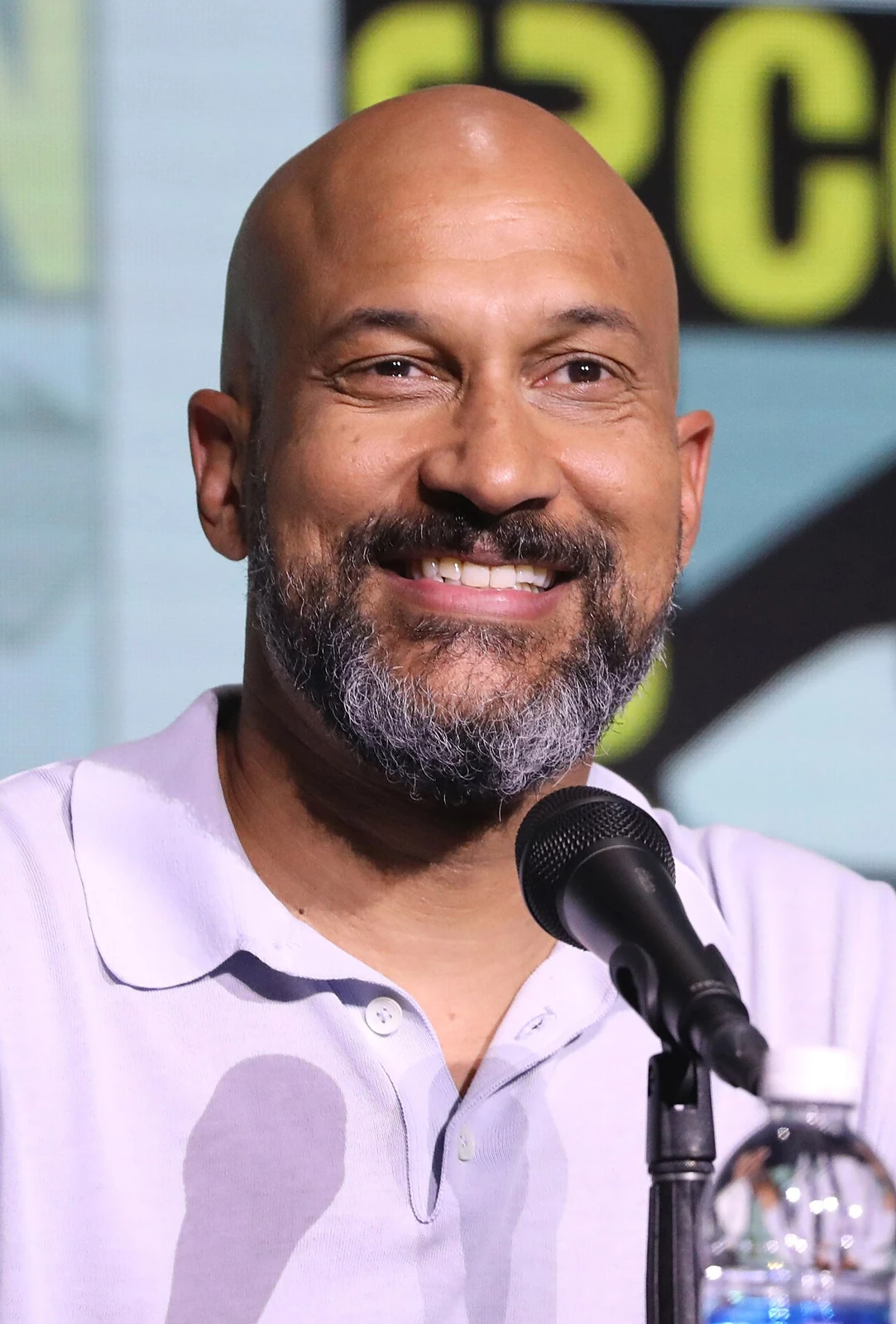
Google named mascot horror among its trending horror-film searches in its October 2026 Halloween announcement. That establishes interest in the label, not a claim that every film with a puppet belongs to one uniform movement. Buddy gives the question a current example. Roadside Attractions identifies Casper Kelly as director and Keegan-Michael Key as the voice of Buddy. The movie's childhood-television framework makes the familiar smile part of a larger problem: what happens when participation is no longer voluntary?
Sources: Google — Halloween search trends ↗ · Roadside Attractions — Buddy ↗
Five Nights at Freddy’s — the workplace built for someone else’s fun

Universal's synopsis for Five Nights at Freddy's follows Mike, a security guard working at an abandoned theme restaurant while trying to protect his connection to his younger sister. The official 2023 listing identifies Josh Hutcherson and Elizabeth Lail among the cast and Emma Tammi as director. The restaurant is not simply a colorful background. It is a workplace whose old purpose and present danger sit uneasily together.
That setting explains one of the genre's strongest contrasts. A customer is supposed to encounter the finished illusion: music, characters and a promise of entertainment. An employee remains after the performance ends, when those same objects are still there but the reassuring context has disappeared. The night shift exposes the difference between a place's public face and what is left behind it. That is our interpretation of the setup, rather than a claim about a real restaurant or a documented workplace.
For a viewer arriving through the games, the film should be approached as its own screen adaptation. For someone arriving through Buddy, the shared attraction is a trusted entertainment environment becoming threatening, not identical mythology. Universal lists a PG-13 rating with violent content, bloody images and language. The connection to children's entertainment therefore does not make the movie children's entertainment. Check the exact film and content guidance instead of deciding from the mascots alone.
Sources: Universal — Five Nights at Freddy’s official synopsis and credits ↗
Willy’s Wonderland — the same kind of room, a different contest
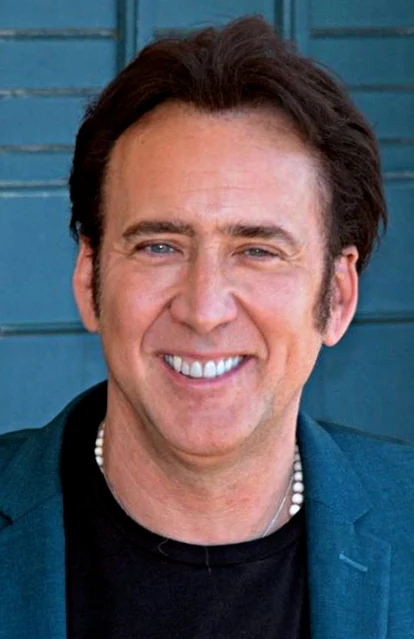
Willy's Wonderland makes a useful comparison because its premise also puts a worker inside a deserted family entertainment center. The theatrical-service company Variance Films credits Kevin Lewis as director, Nicolas Cage as the lead and Screen Media Films as the distributor for the February 2021 release. Its synopsis describes a stranded loner agreeing to clean the center in exchange for car repairs, then confronting possessed animatronic mascots.
The similarity of location can conceal a different dramatic contract. One film may ask whether an apparently ordinary employee can understand what is happening. Another can turn that employee's response into the main attraction. Cage's presence is part of why the comparison matters: choosing a performer associated with forceful, unusual screen characters changes what an audience expects from a cleaning shift that goes wrong. This is a reason to compare tone and performance, not only the number of artificial creatures in the room.
A useful watchlist should tell you which side of the encounter interests you. Do you want to learn the rules of an abandoned attraction, or watch a figure push back against them? Do you prefer uncertainty, confrontation or grotesque comedy? Those questions distinguish adjacent movies more clearly than calling all of them copies of one another. The official distributor-linked record supports the premise and credits; the comparison is an editorial reading of how those elements can guide a viewing choice.
Sources: Variance Films — Willy’s Wonderland theatrical record ↗
Child’s Play — a neighboring tradition with a different scale
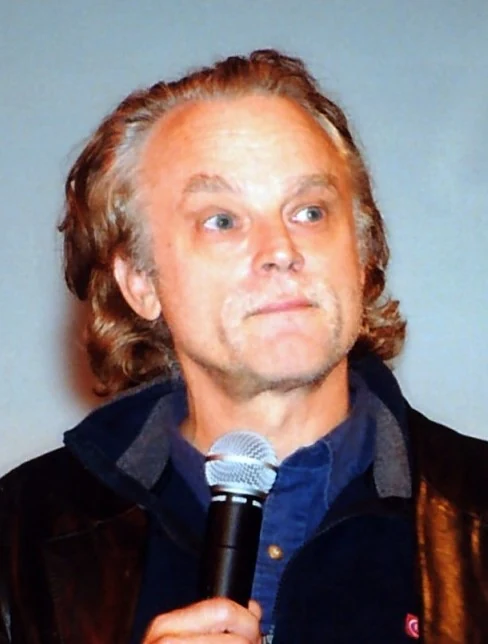
Child's Play is worth discussing beside mascot horror without pretending that it is the same thing as a haunted restaurant story. The American Film Institute dates the original release to November 9, 1988 and records the doll-possession premise at its center. Brad Dourif plays the killer whose presence turns a supposed companion into a danger. The frightening object is small enough to enter a home, rather than large enough to preside over an entertainment venue.
That change of scale alters the relationship. A mascot often represents a place or an institution. A toy is supposed to belong to one person. When either becomes threatening, something designed to support trust begins to exploit it, but the betrayal operates at a different distance. An audience looking for the uncanny familiarity of mascot horror may find that connection useful even while keeping the categories separate.
The distinction also prevents a common viewing-list error: treating any brightly colored object or doll as sufficient evidence of a shared genre. Ask what the character promises, who believes the promise and how the film turns that belief against them. The 1988 Child's Play has a specific supernatural explanation and a specific set of characters. Later entries and reinterpretations should not be used as interchangeable evidence for it. Refer to the year, the film's own synopsis and its actual credits when making a comparison.
Sources: AFI Catalog — Child’s Play ↗
Buddy — the rules of a show become the rules of a world

Buddy moves the discussion from a commercial venue or a private home into the logic of a children's television program. Roadside's official credits name Cristin Milioti, Delaney Quinn, Topher Grace, Michael Shannon and Patton Oswalt alongside Key, with a screenplay by Casper Kelly and Jamie King. In a firsthand interview with No Film School, Kelly discusses the film's relationship with children's television and the challenge of bringing its world to the screen.
What makes that frame useful to think about is the authority a program can give its host. A host explains what happens next, supplies the rules of a game and tells the audience when to participate. Once the host becomes a threat, friendliness is not merely camouflage; it is part of the machinery that makes obedience seem normal. This is an interpretation of the film's premise, not a psychological claim about everyone who watched educational television.
For readers choosing between mascot horror movies, Buddy therefore offers a different organizing question: can the characters reject the script they have been given? That is more specific than asking whether the central creature looks frightening. The original theatrical release information is on Roadside's page. Current digital or subscription availability should be checked separately; an old announcement of a theatrical date does not establish where a film is streaming today.
Sources: Roadside Attractions — Buddy ↗ · No Film School — firsthand Casper Kelly interview ↗
Choose by the kind of trust being broken
The most useful mascot horror watchlist begins with distinctions. A possessed machine, a costumed human, a supernatural toy and an apparently self-contained television world create different rules. Some films spend their energy explaining those rules. Others favor the physical contest, an uneasy atmosphere or a joke that becomes more disturbing the longer it continues. The category can help locate a film, but it cannot replace a description of its tone.
Start with the relationship you find interesting. Five Nights at Freddy's and Willy's Wonderland offer two approaches to the abandoned entertainment workplace. Child's Play gives an older, adjacent example of a friendly manufactured object entering domestic life. Buddy uses the authority of a host and a program. None of these comparisons requires claiming that one film caused another, copied another, or represents the entire history of the genre. Establishing that kind of influence would require evidence from the filmmakers.
Finally, separate recognition from suitability. A familiar character shape, an accessible game or an exaggerated smile tells you little about the violence, intensity or themes of a particular movie. Follow the official content information and decide what kind of evening you want. The continuing appeal of mascot horror lies in a simple but flexible question: once the friendly face stops keeping its promise, what exactly have the characters been trusting?
Sources: Universal — Five Nights at Freddy’s official synopsis and credits ↗ · Variance Films — Willy’s Wonderland theatrical record ↗ · AFI Catalog — Child’s Play ↗ · Roadside Attractions — Buddy ↗
Prepared with AI assistance. Source-based reporting checked on October 25, 2026. This article does not update automatically. Read our editorial standards.