Career timeline
Las Vegas was a starting point
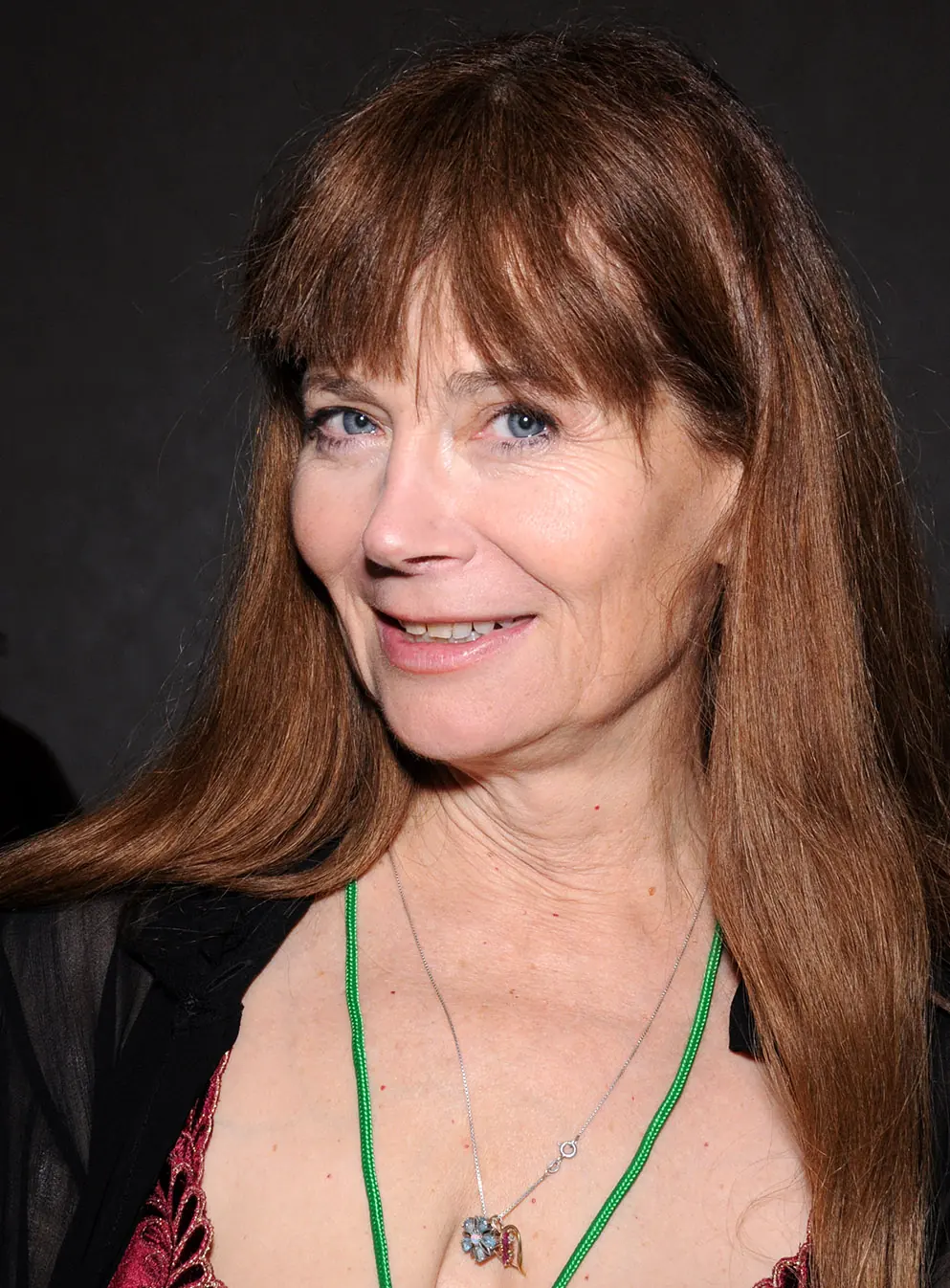
Veronica Hart grew up in Las Vegas, where acting and dance formed part of her early interests. The introduction to her 2016 Rialto Report interview describes a college graduate who headed to Europe before entering the film business. Performance training and travel preceded the establishment of her screen identity.
An English music-scene chapter
In England, Hart managed a progressive-rock band, danced in shows and modeled, according to the oral-history account. These were different jobs within a connected entertainment world. She later moved into New York’s performance scene. The route was not a simple transfer from one film set to another; it involved changing countries, audiences and kinds of work.
The adult-film period
Hart became a prominent performer in the early 1980s. Her filmography includes Amanda by Night and Roommates, and her career overview records recognition for acting within the industry. Those named productions give readers firmer reference points than a general claim of fame. They also connect her to a period when many adult features were built around scripts, characters and recurring collaborations among filmmakers.
Moving behind the camera
Her subsequent career included directing and production work. The Rialto Report interview treats that transition as a major part of her story. A performer interprets a role, while a director helps shape the overall production. Hart’s professional record includes both kinds of responsibility, allowing her to develop a different relationship to projects after establishing herself in front of the camera.
The Paul Thomas Anderson connection
Hart appeared in Paul Thomas Anderson’s Boogie Nights and Magnolia. These credits place her in two widely discussed films outside adult entertainment. Boogie Nights, in particular, allowed an audience to encounter an established performer within a fictional story about the industry itself. The appearances are concrete links between separate film communities, rather than evidence that all parts of her career belonged to the same genre.
A place in the archive
A 2019 Harvard Radcliffe account identified Hart’s papers among the materials collected by the Schlesinger Library, alongside records associated with other women in adult entertainment. The article situated these holdings within a broader effort to document conflicting positions in debates about sexuality. Archival preservation changes what researchers can ask: a career becomes a body of evidence, not simply a sequence of familiar images or retrospective anecdotes.
Prepared with AI assistance. Source-based reporting checked on October 24, 2026. This article does not update automatically. Read our editorial standards.