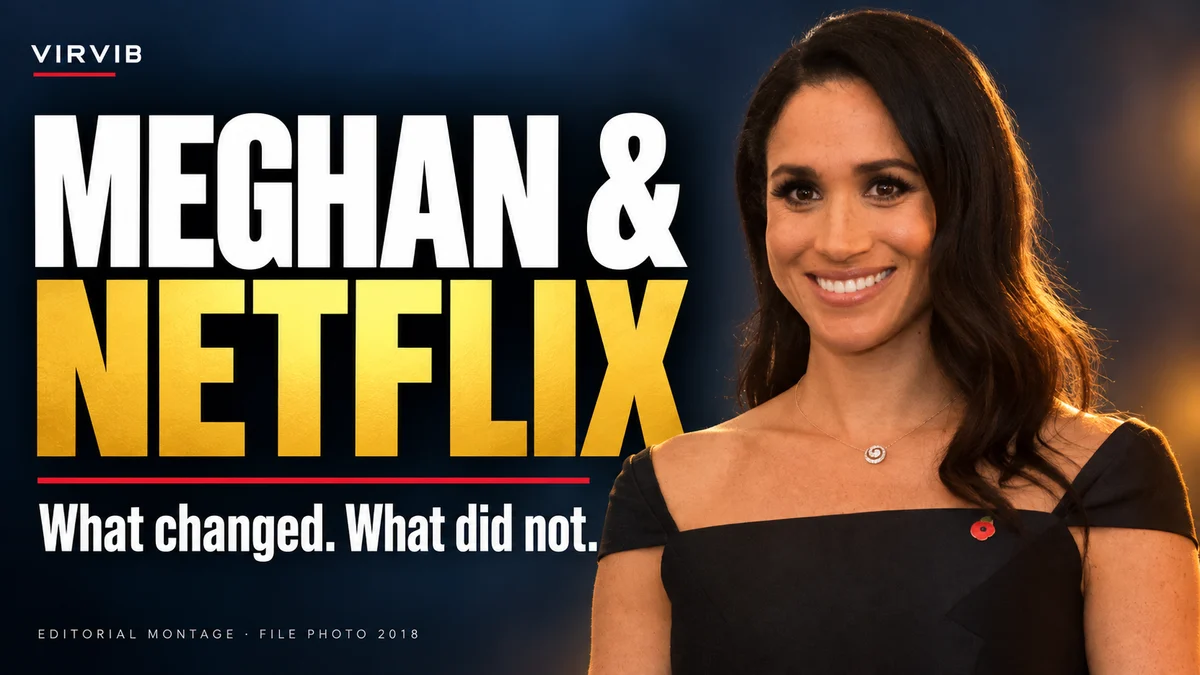
Trump’s remark becomes the headline at a Michigan appearance
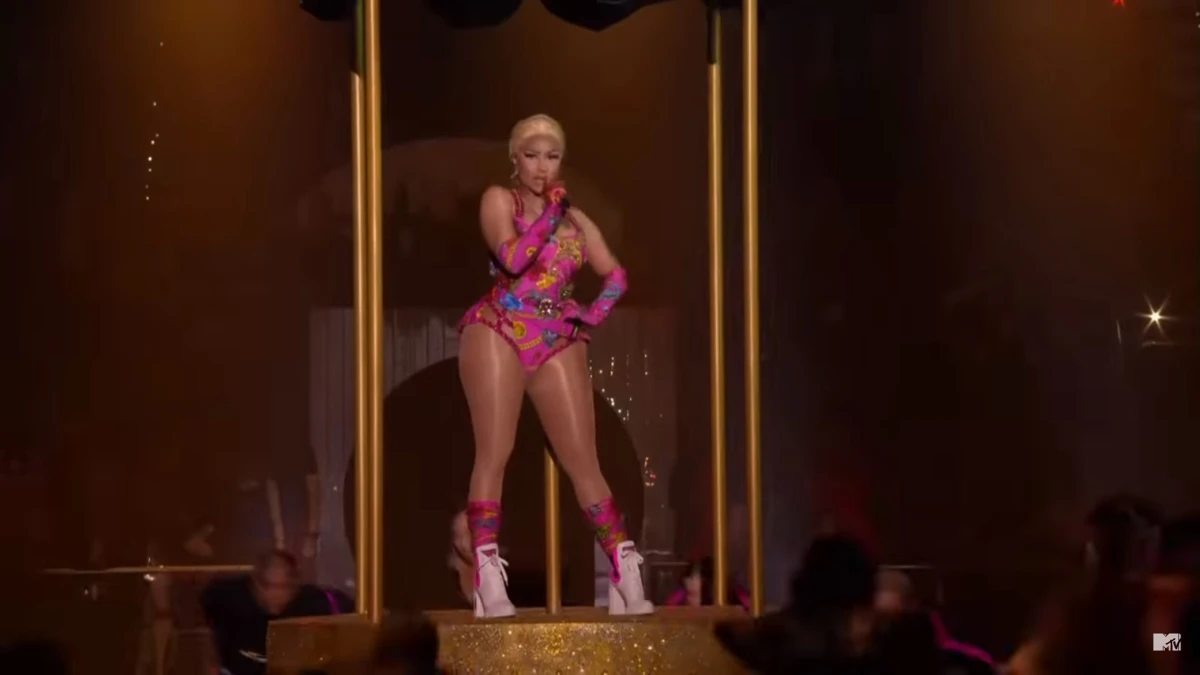
Donald Trump commented on Nicki Minaj's body during a Michigan rally appearance, calling it a “beautiful ass” and asking the rapper to stand. The moment drew coverage on October 25 from entertainment outlets including Entertainment Weekly and TMZ. For a publication covering the intersection of music and politics, the news is the president's public language toward a prominent supporter, rather than an invitation to speculate about their private relationship.
Entertainment Weekly's account reports that Trump subsequently expressed the hope that Minaj had not taken offense and reiterated his affection for her. That does not establish how she felt. An audience reaction, a facial expression in a short clip or the speaker's own characterization cannot substitute for the subject's account. This report does not claim that she was either offended or pleased by the remark. The embedded video allows readers to examine the exchange rather than relying exclusively on a headline.
The coverage places the event in Port Huron, Michigan. There is a dating inconsistency worth retaining rather than concealing: Entertainment Weekly describes the rally as taking place on Saturday, while other accounts describe Sunday's appearance. This article dates the reporting to October 25 and does not resolve that discrepancy by inventing a timestamp. The reliable common ground is the Michigan appearance, the recorded remark and Minaj's participation alongside Trump.
VIRVIB analysis: the language matters because the person speaking is the president and the setting is political. A celebrity can appear at a campaign event to endorse a candidate or a program, yet find the resulting coverage centered on something else said from the stage. Readers should be able to identify the statement that generated the story without being asked to accept an unreported motive for it. Reporting an exchange is different from concluding why a speaker chose a particular phrase.
That distinction also applies to the video. A clip can establish the words it contains, but it may leave out earlier remarks and later exchanges. The player here is supplied by the publisher rather than a downloaded copy. The source retains control over availability and playback. Readers can compare it with the linked reporting, and the article's archival photographs are labeled so that an older performance image is not mistaken for a picture of Minaj reacting at the rally.
Sources: TMZ — October 25 report and supplied video ↗ · Entertainment Weekly — rally exchange and context, October 25 ↗
The press-secretary speculation needs a separate label
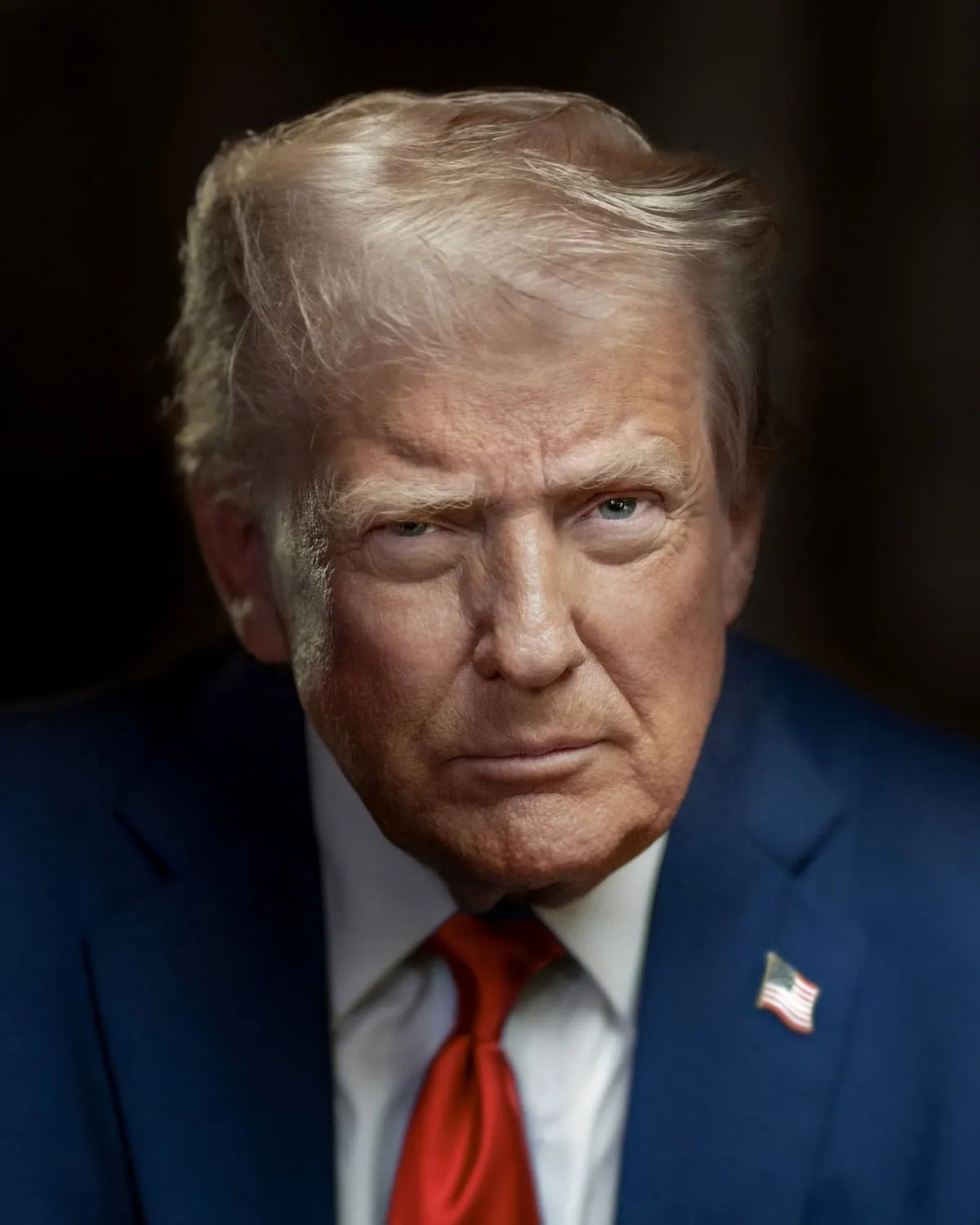
Minaj's appearance also generated discussion of a possible White House communications role. White House communications director Steven Cheung shared footage of her with Trump and floated the idea that she could become press secretary, according to reports from the New York Post and other outlets. The suggestion was presented as a joke. It is not evidence that an appointment has been made, that a job has been offered or that Minaj has agreed to take one.
The distinction is useful because social posts move quickly between audiences. A playful caption can become a screenshot, then a headline asking whether a person has a new job, and finally a message that drops the question mark. By the last stage, a reader may encounter an assertion that the original source never made. The accurate description in the reports reviewed here is that allies floated an idea. This article does not identify Minaj as the White House press secretary.
A question posed by a headline is not a confirmation supplied by the reporting below it. The same applies to a politician praising a supporter or an adviser encouraging a fan community to respond. Those actions can be newsworthy without constituting an employment announcement. A subsequent official statement could change the position, but it would need to be checked on its own terms, with the role, effective date and source stated explicitly.
VIRVIB analysis: keeping the two developments separate improves the story. The rally remark concerns what Trump said publicly about Minaj. The staffing speculation concerns how administration allies described her political visibility. Combining them into a single narrative of a job reward would require evidence of a connection that the available sources do not establish. There is no need to manufacture that connection to explain why both attracted attention.
Nor does an endorsement settle every question about a supporter's political identity. A musician may back a person, a policy or an election campaign for reasons that require their own explanation. The event and the available statements can establish public support. They do not authorize a reporter to describe every fan as agreeing, every listener as a voter or every future position as predetermined. The relevant evidence is what Minaj herself says and does in a political setting.
Sources: New York Post — Michigan appearance and Cheung’s suggestion, October 25 ↗ · Times of India — press-secretary speculation and lack of confirmation, October 26 ↗
Visibility, influence and what the audience numbers can show
Celebrity appearances matter to political communication because they can put political figures in front of audiences who follow entertainment. But exposure and persuasion are different outcomes. A view of a clip can reflect amusement, disagreement, criticism or support. The existence of a widely shared exchange does not establish how many people changed their minds, registered to vote or chose a candidate because of it. No such conversion figure is available in the sources used for this report.
Pew Research Center offers background on the larger media environment. Its November 2024 study found that about one in five American adults regularly received news from social-media influencers, rising to 37% among adults under 30. Its definition covered people who regularly posted about current events and civic issues and had at least 100,000 followers on a qualifying platform. That is a defined research category, not a synonym for every famous musician or a measurement of Minaj's political audience.
A separate Pew analysis published in May 2024 asked where people obtained most of their political and election news. Four percent selected celebrities and social-media personalities. That finding answers a different question from regularly receiving influencer news, so the two percentages should not be treated as contradictory. Neither is a survey conducted at this Michigan event, and neither measures the effect of the president's remark. Their value is in distinguishing types of audience behavior.
VIRVIB analysis: a responsible assessment of a celebrity endorsement would need to specify the outcome being claimed. Attention could be measured through documented reach. Attitude change would require evidence about opinions before and after exposure, with attention to other influences. Voting behavior would demand still different evidence. A high-profile appearance can be described accurately without advancing all the way from a visible crowd or online reaction to a prediction about an election.
For this story, the established developments remain narrower. Trump made a personal comment during Minaj's political appearance. Published coverage described a subsequent reassurance from him, while allies circulated a separate suggestion about a communications job. The article links those sources and provides the publisher's video player. It leaves Minaj's unreported feelings, any unannounced appointment and the electoral effect of the appearance unresolved. Those are questions for new evidence, not conclusions that a provocative clip can answer by itself.
Sources: Pew Research Center — news-influencer study, November 18, 2024 ↗ · Pew Research Center — election-news sources, May 28, 2024 ↗
Prepared with AI assistance. Source-based reporting checked on 2026-10-26. This article does not update automatically. Read our editorial standards.