An extra shift before the Cybertruck line is dismantled

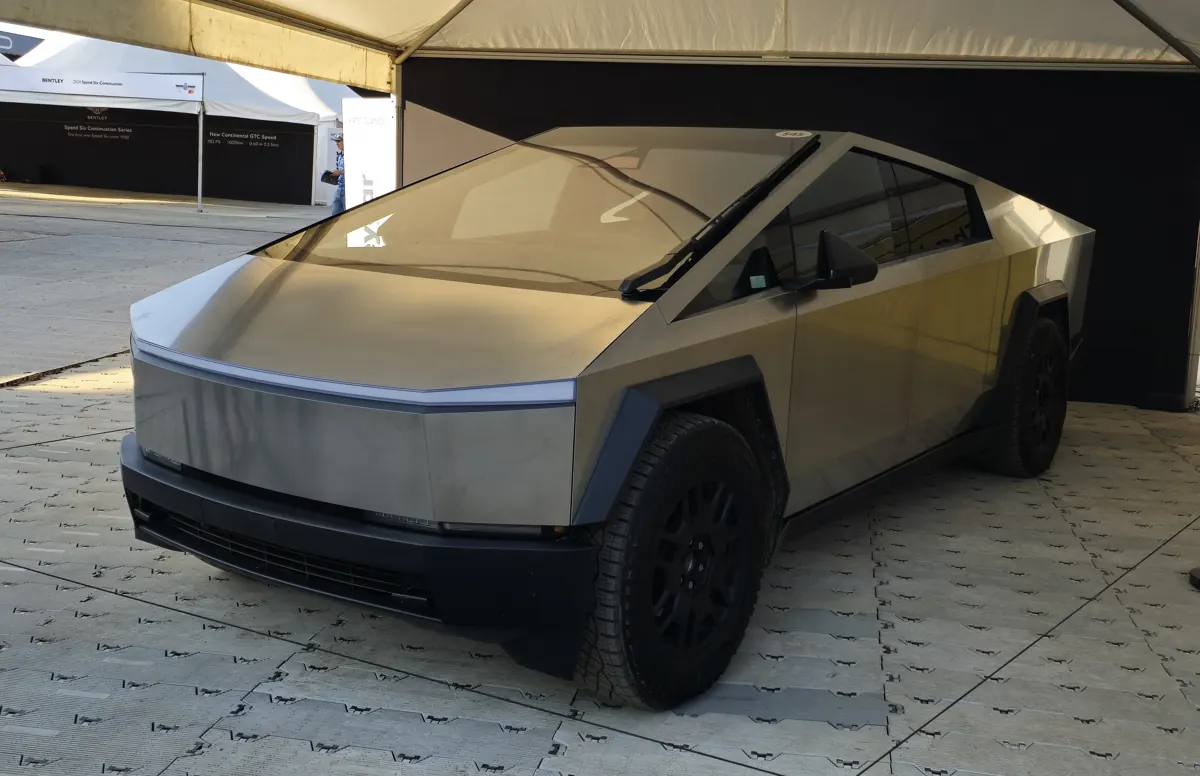
Tesla plans to add an extra Cybertruck production shift to try to complete outstanding orders before dismantling the line for Cybercab expansion around June or July 2027, Elon Musk said in a November 7, 2026 post on X. Reuters independently reported the update. The plan adds a production measure and a narrower approximate timetable to his November 6 announcement of a mid-2027 wind-down at Gigafactory Texas.
Musk said the current order backlog exceeded what Tesla could make before the planned line change. That is his description of the order book, rather than an independently verified backlog total. He did not disclose an order count, the capacity of the additional shift or a guaranteed completion date for every customer. Adding a shift is an attempt to increase remaining output, not confirmation that all orders will be fulfilled.
June or July remains a planning window, rather than a specified final production day. The new post does not identify a replacement Cybertruck manufacturing site or announce a final ordering deadline. It therefore sharpens the Texas timetable without resolving every question about the pickup’s future.
Tesla plans to wind down Cybertruck production at Gigafactory Texas around the middle of 2027 to make room for more Cybercab production. Elon Musk announced the plan in a November 6, 2026 post on X. The decision redirects manufacturing space from Tesla’s stainless-steel pickup toward the company’s purpose-built robotaxi, with implementation still months away.
The location and timing are central to understanding the announcement. Musk identified Gigafactory Texas and an approximate period, rather than a precise final production date. His post does not provide a factory-by-factory replacement plan, a date when customers must stop ordering, or a schedule for the last deliveries. Those details should not be inferred from a brief statement about manufacturing priorities.
Reuters independently reported the announcement on November 6. It said whether Cybertruck manufacturing would move elsewhere or end entirely was not immediately clear. That leaves a narrower confirmed development than some headlines suggest. The Texas operation is the subject of the announced wind-down. A complete timetable for the model’s future was not included in Musk’s original post.
The change follows a short commercial history. Tesla unveiled the Cybertruck in November 2019 and began customer deliveries at an event in Texas on November 30, 2023. Reuters’ November 6 chronology describes the gap between the original late-2021 production target and the eventual launch. The announcement therefore concerns a vehicle that has been reaching customers for about three years, rather than a long-running pickup approaching a routine generation change.
Tesla’s own third-quarter 2026 update helps explain the manufacturing choice. Its installed-capacity table lists both Cybertruck and Cybercab in production in Texas, each with annual capacity above 125,000 vehicles. It also lists Model Y production at the same site. These entries describe facilities and equipment. They do not say Tesla sold that number of trucks or robotaxis during the quarter, or that both lines operated continuously at their stated capacity.
The company expressly distinguishes installed capacity from current production rates. Its explanation identifies equipment uptime, component supply, factory upgrades and regulatory considerations among the factors affecting output. Consequently, a planned reallocation of space is not a published forecast of how many additional Cybercabs Tesla will deliver. The factory plan establishes a direction. Actual output will depend on the operating constraints the company itself identifies.
VIRVIB analysis — the two products also serve different purposes. A pickup sold to an individual buyer and a vehicle built around robotaxi service require different commercial measures of success. Freeing floor space can support a manufacturing strategy, but it cannot by itself establish demand, utilization or profitability for the replacement program. Musk’s announcement should be assessed alongside future production and operating disclosures, rather than treated as proof that the next product has already replaced the truck’s business.
The broader US electric-vehicle market offers context without explaining every Tesla decision. Cox Automotive’s October 12 commentary reported that third-quarter EV sales improved from the previous quarter while remaining below the unusual comparison period a year earlier. It linked that earlier surge to buyers seeking federal incentives before they expired. A quarter-to-quarter recovery and a year-to-year decline can therefore coexist. Neither comparison alone proves why one manufacturer changes its product mix.
What the production plan means for existing vehicles and recall checks
A manufacturing announcement and a safety recall answer different questions. The first concerns what a company plans to build. The second concerns whether vehicles already made require a remedy. Musk’s November 6 post announces the Texas production change. It does not identify a new defect, announce a new recall, or provide revised warranty or service terms for Cybertruck owners.
The distinction matters because the truck already has a recall history. Reuters’ separate chronology reports 11 campaigns since customer sales began, covering both physical repairs and software remedies. A campaign count is not a count of unique affected trucks. It also does not establish that every owner faces every issue, or that an individual vehicle still needs work after receiving a remedy.
One documented example is Tesla’s front parking lamp recall. The company’s support notice covers certain model-year 2024, 2025 and 2026 Cybertrucks built from November 13, 2023 through October 11, 2025 and running software earlier than version 2025.38.3. Tesla says the controller could command parking-lamp intensity above the federal limit. Its explanation identifies potential distraction to other drivers and increased collision risk, rather than describing a failure that affects every part of the lighting system.
For that particular campaign, Tesla says software version 2025.38.3 or later corrects the output. The company describes an over-the-air remedy at no cost and says a service appointment is unnecessary. Owners can check the installed version under Controls and then Software on the vehicle’s touchscreen, or at the bottom of its home screen in the Tesla app. Those instructions apply to the lamp campaign. They should not be generalized into a claim that every Cybertruck recall can be resolved remotely or that every truck with updated software has no other open recall.
NHTSA’s official lookup provides the vehicle-specific next step. Searching a vehicle identification number can show whether that particular vehicle has an unrepaired safety recall. Searching by year, make and model instead produces general information about recalls, investigations, complaints and manufacturer communications. These are different searches, with different purposes. A model’s overall history cannot substitute for checking the specific truck.
The agency also explains the limits of a VIN result. Repaired safety recalls do not appear as outstanding work, and a recently announced campaign may not yet contain all affected VINs. The lookup is therefore a way to identify reported open remedies, rather than a complete lifetime repair record. NHTSA says manufacturers must remedy safety recalls and advises owners to follow the interim guidance accompanying a notification.
For prospective buyers, the unresolved questions are commercial as well as technical. The November 6 statement does not establish final order dates, remaining configurations, future discounts or resale values. For current owners, it does not establish a new support deadline. Those questions require subsequent terms or announcements. The confirmed change is the intended Texas manufacturing wind-down around mid-2027, with additional Cybercab production as Musk’s stated reason.
View sources
Source publication or schedule date: Musk announcement November 6, 2026. Q3 company update and October 12 market commentary retain their reporting periods. Substantive November 7 update: additional shift and approximate June/July 2027 line-change window.
- Elon Musk — original November 6 announcement
- Reuters — November 6 reporting and unresolved production location
- Reuters — launch chronology and recall history
- Tesla — Q3 2026 shareholder update, capacity table and qualifications
- Cox Automotive — Q3 EV market commentary, October 12
- Tesla — front parking lamp recall and software remedy
- NHTSA — recall lookup, scope and remedies
- Royal Society portrait — attribution and license
- Cybertruck photograph — Calreyn88 and license
- Elon Musk — original November 7 extra-shift announcement
- Reuters — November 7 extra shift and June/July timeline
Prepared with AI assistance. Source-based reporting checked on November 7, 2026. This article does not update automatically. Read our editorial standards.