Lady Gaga and Shakira join a ballot spanning different songwriting careers
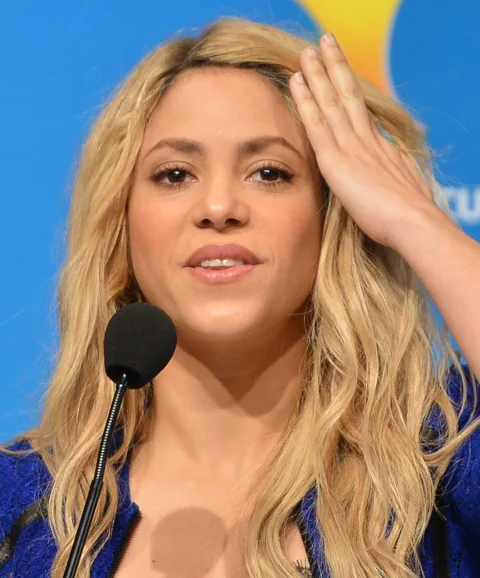
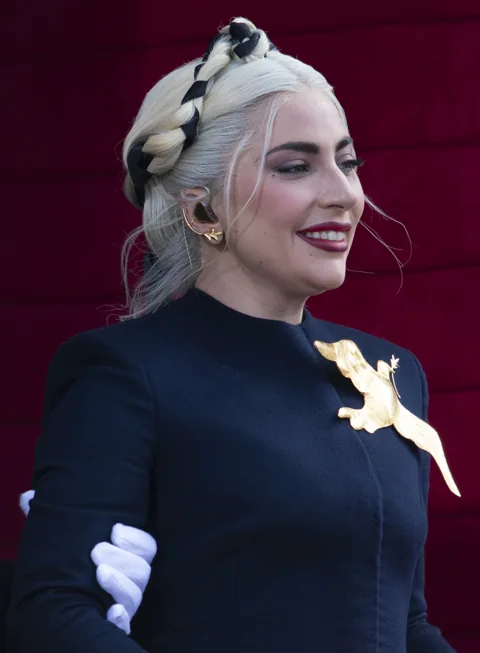
Lady Gaga, Shakira and Jack White are among the nominees for the Songwriters Hall of Fame's 2027 class, announced on November 5, 2026. The ballot recognizes the people behind songs, including artists known for singing their own work and writers whose compositions reach listeners through other performers. These are nominations for an election, not a list of people already chosen for induction.
The Hall's announcement names a performing-songwriter field that also includes P!nk, Sia, Ne-Yo, Vince Gill, Boy George and Grandmaster Melle Mel. Entries associated with America, Blondie, WAR and ZZ Top bring songwriting partnerships and band catalogs into the same category. The variety is important to the shape of the ballot: a nomination can recognize an individual, a pair or a group of named writers rather than a single recording artist's public identity.
BMI's accompanying November 5 announcement highlights Gaga's catalog through songs including Poker Face, Bad Romance, Born This Way and Shallow. Those examples move from her pop recordings into film songwriting. They are representative titles, not the whole body of work voters are being asked to consider. They also should not be read as a claim that every song associated with a nominee was written without collaborators.
Shallow supplies a documented example of that distinction. The Academy of Motion Picture Arts and Sciences lists the A Star Is Born song as the 2019 Oscar winner for original song, with music and lyric credited to Lady Gaga, Mark Ronson, Anthony Rossomando and Andrew Wyatt. That record recognizes a specific composition and its named writers. Gaga's Hall nomination concerns a broader career, while the Oscar record shows how one part of that career was shared among collaborators.
The difference between a song and its performance is central here. The Academy's record identifies the work's writers rather than simply naming everyone who appears in the film or performs on its soundtrack. For a listener who first encountered Gaga through the screen performance, the writing credit supplies another part of the history. A career honor can bring that less visible contribution into view without erasing the people who helped create an individual song.
Shakira's official nomination illustrates another route through popular songwriting. The Hall's selected examples include Whenever, Wherever, La Tortura and Inevitable alongside Hips Don't Lie. The sample connects Spanish-language work and English-language crossover recordings rather than defining her catalog through one market alone. The announcement presents the songs as illustrations of a larger catalog, so the five selections should not be mistaken for a ranked set of achievements or the only works eligible for consideration.
Jack White's selection crosses work associated with the White Stripes, solo recordings and the Raconteurs. The official examples include Seven Nation Army, Love Interruption and Steady As She Goes. The nomination therefore invites a view across projects rather than treating each band name as an entirely separate creative career. Elsewhere on the ballot, Debbie Harry and Chris Stein are named together for Blondie, while Gerry Beckley and Dewey Bunnell are named for America.
A place on this ballot can also recur. The Hall's October 23, 2025 announcement for the 2026 cycle included P!nk, and its new 2027 list includes her again. The two announcements are separate election cycles with different voting deadlines. Their chronology is a useful reminder that being nominated in one year is not interchangeable with appearing on that year's final induction list. The current news is a new opportunity for consideration, not an announced result.
The other side of the ballot, and who gets to vote

The songwriter category includes people who are themselves familiar performers. William Adams, known as will.i.am, appears there, as do Kandi Burruss and Dan Wilson. The Associated Press explains that the category recognizes their writing across other artists' catalogs as well as their own work. Calling it the non-performing category does not mean the nominees have never sung, recorded or taken a stage. It describes the basis on which this part of the ballot recognizes songwriting.
BMI's announcement illustrates the point with will.i.am, listing Ordinary People and OMG alongside Where Is the Love and I Gotta Feeling. The Hall's full list places Burruss with songs including No Scrubs and Bills, Bills, Bills, while Wilson's examples include Closing Time and Someone Like You. The names heard on a finished record and the names responsible for writing it can overlap, but they do not always form the same list.
Songwriting partnerships make that network even clearer. George Merrill and Shannon Rubicam, known as Boy Meets Girl, are nominated together. BMI's representative titles include How Will I Know, I Wanna Dance With Somebody and Waiting for a Star to Fall. Mike Stock, Matt Aitken and Pete Waterman are another joint entry, with examples including Never Gonna Give You Up and I Should Be So Lucky. The ballot allows the partnership behind a catalog to remain visible rather than reducing every work to its best-known singer.
Stargate's Tor Hermansen and Mikkel Eriksen supply a further example of work across performers. A 2018 announcement by Shamrock Capital documented its acquisition of their music-publishing catalog, including works associated with Rihanna, Beyoncé and Katy Perry. It named Diamonds, Irreplaceable and Firework among the compositions involved. That is a historical business record, not a new transaction announced alongside the 2027 nominations. It demonstrates how a songwriting catalog can connect recordings marketed under several different artists' names.
VIRVIB analysis — authorship, performance and ownership answer different questions. A nominee may have written a song, another artist may have made its best-known recording, and publishing interests may later have changed hands. The Stargate transaction provides a concrete example of that last distinction. The Hall ballot is recognition of creative work. It is not, by itself, a new sale of rights, an announcement of contract terms or a promise of additional royalty payments.
The eligibility timetable is also different from an annual award for a recent hit. The Hall says a writer with a notable catalog becomes eligible 20 years after the first commercial release of a song. Eligible voting members have until midnight Eastern Standard Time on December 14, 2026, to submit ballots, choosing up to three nominees in each category. The date is the ballot deadline, not the induction ceremony date or a deadline for the public to stream a particular artist's songs.
The Hall's membership page identifies voting membership as intended for music-industry professionals or members of a performing-rights organization. It also carries a specific notice for this cycle: new members who join between October 7 and December 31, 2026, are not eligible to vote in the 2027 selection. A separate associate membership is non-voting. That makes the process different from an unrestricted online fan poll, even though fans can follow and discuss the nominations.
The institution plans to honor the selected class at its 2027 Induction and Awards Gala in New York City. AP reports that the inductees will be announced in early 2027. For now, the verified milestones are the November 5 nominations and the December 14 voting deadline. The next result will determine which careers move from this ballot into the Hall, after an election that asks members to weigh catalogs rather than only the visibility of the performers attached to them.
View sources
Source publication or schedule date: 2027 nominations announced November 5, 2026. Earlier award, business and nomination records retain their original dates.
- Songwriters Hall of Fame — November 5, 2026 official ballot and rules
- Associated Press via ABC News — independent nomination report
- BMI — November 5 nominee catalogs and affiliations
- The Academy — 2019 original-song award and Shallow writing credits
- Shamrock Capital — October 16, 2018 Stargate publishing acquisition
- Songwriters Hall of Fame — current voting membership notice
- Songwriters Hall of Fame — October 23, 2025 ballot for the 2026 cycle
Prepared with AI assistance. Source-based reporting checked on November 6, 2026. This article does not update automatically. Read our editorial standards.