Career timeline
Viva Erotica supplied an early breakthrough

Shu Qi received the 1997 Hong Kong Film Award for Best Supporting Actress for Viva Erotica. The film’s awards record places that recognition early in her established screen career. Her association with adult-rated Hong Kong cinema belongs in the chronology, but it is only one chapter in a filmography that later ranged across drama, comedy and action.
Sources: IMDb: Viva Erotica awards record ↗
A partnership with Hou Hsiao-hsien changed the scale
Millennium Mambo brought Shu Qi to Cannes competition in 2001. She returned with Hou’s Three Times in 2005, and later starred in The Assassin. The repeated collaboration is one of the clearest threads in her career: three different films connected her performances with a filmmaker whose work attracted sustained international attention.
Sources: Festival de Cannes: Shu Qi biography and jury record ↗ · Asia Pacific Screen Awards: Shu Qi biography ↗
Commercial films reached another audience
The Transporter, released in 2002, was her first English-language film, according to Cannes’s career biography. Other major credits include Stephen Chow’s Journey to the West: Conquering the Demons and Wuershan’s Mojin: The Lost Legend. These projects demonstrate range across kinds of filmmaking, placing large commercial productions alongside the festival titles that often lead accounts of her work.
Sources: Festival de Cannes: Shu Qi biography and jury record ↗ · Asia Pacific Screen Awards: Shu Qi biography ↗
Festival juries recognized her experience

Shu Qi served on the Cannes feature-film jury in 2009. The Asia Pacific Screen Awards biography also records jury service in Berlin and Venice, and an invitation to join the Academy of Motion Picture Arts and Sciences in 2024. Those appointments reflect a different professional role: evaluating other filmmakers’ work after years of experience appearing in it.
Sources: Festival de Cannes: Shu Qi biography and jury record ↗ · Asia Pacific Screen Awards: Shu Qi biography ↗
Girl began with a script and a move behind the camera
Screen Daily reported in September 2024 that Shu Qi had completed filming Girl, her feature directing debut. She wrote its original story and screenplay but did not appear in the film. That distinction makes the project an actual change of responsibility, with her work centered on shaping the production rather than adding another performance credit.
Sources: Screen Daily: Girl completes filming, September 2024 ↗
Venice supplied a new milestone
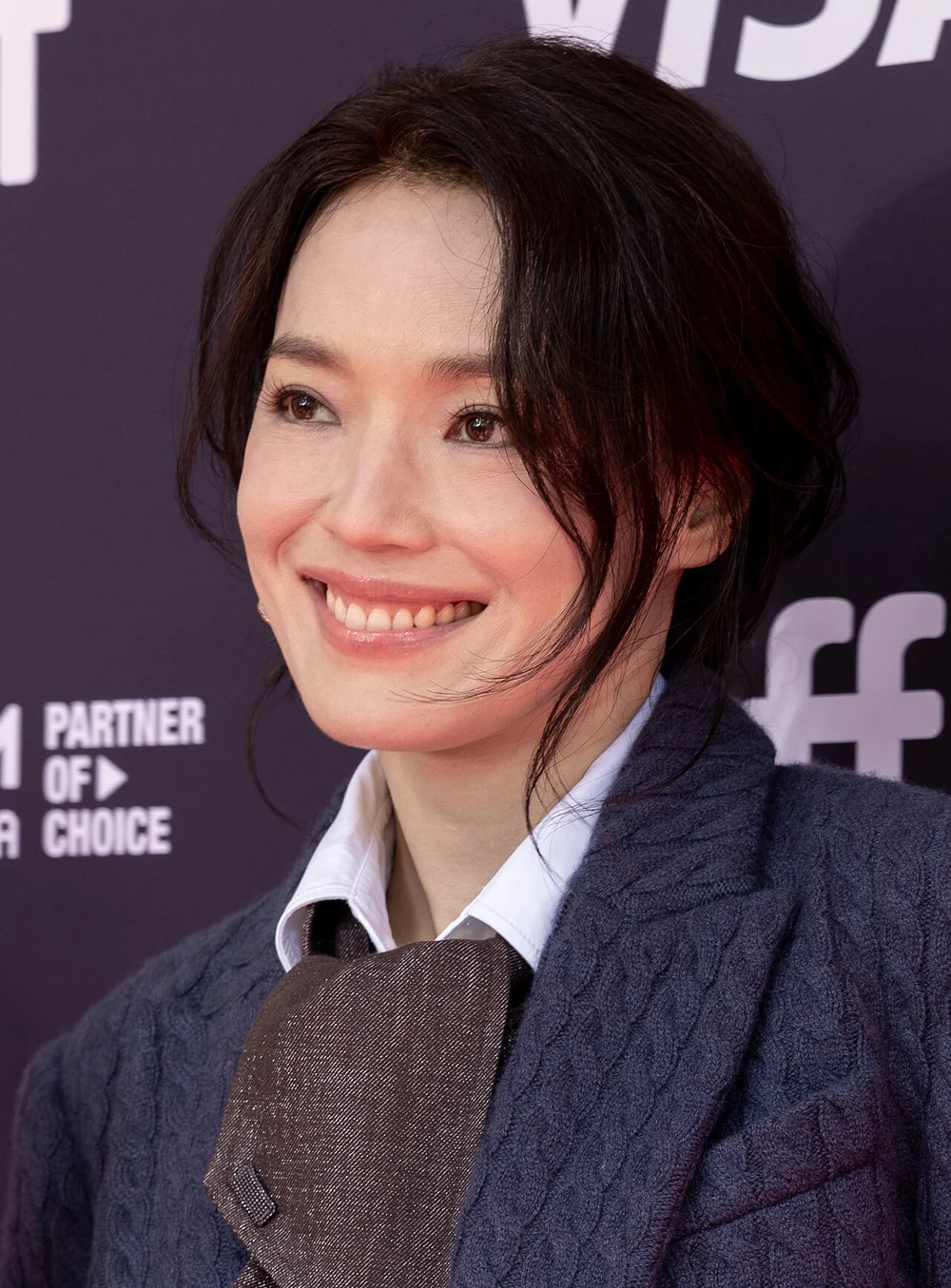
Girl entered the competition at the 2025 Venice International Film Festival. The festival’s official record credits Shu Qi as director and screenwriter, with Roy Chiu, 9m88 and Bai Xiao-Ying in the principal cast. The progression from an early acting award to a competition film under her own direction gives the biography a concrete arc, grounded in credited work rather than promises about what might come next.
Sources: Venice Film Festival: Girl, 2025 competition record ↗
Prepared with AI assistance. Source-based reporting checked on October 24, 2026. This article does not update automatically. Read our editorial standards.