What the Met has announced for 2027

The Metropolitan Museum of Art has announced “extraORDINARY: Fashion and the Poetics of the Everyday” as the Costume Institute’s spring 2027 exhibition. The November 5 announcement turns attention toward familiar clothes and commonplace materials, from jeans and T-shirts to paper and plastic. The accompanying Met Gala fundraiser will take place on Monday, May 3, 2027. The public exhibition opens separately on May 9 and runs through January 9, 2028.
That separation matters for anyone following the Met Gala 2027 theme. The museum has confirmed the exhibition’s title, subject and calendar. It has not announced every detail of the benefit. Associated Press reporting says the hosts and dress code will come later. An exhibition about everyday clothing therefore does not yet establish an instruction for guests to arrive in jeans, a T-shirt or any other particular garment.
Andrew Bolton is organizing the exhibition with assistance from Stephanie Kramer and Emily Mushaben. Vogue’s interview with Bolton describes a project developed after the cancellation of the previously planned John Galliano exhibition. The replacement changes the organizing question from one designer’s career to what designers can do with forms and materials that visitors already recognize.
The Met’s plan divides that inquiry into two principal sections. “Familiar Forms” concerns established garment types, including shirts, jeans, biker jackets and puffers. “Common Matter” looks at materials and objects repurposed as clothing. The difference is useful. A designer can alter the proportions or construction of a recognizable coat, or begin with something that was never normally a coat-making material.
The museum identifies an opening presentation of Jun Takahashi’s Undercover work and a closing presentation of Kunihiko Morinaga’s Anrealage designs. Its announcement connects those bookends with daily life and the relationship between clothing and the body. These are plans for a future exhibition, not descriptions of galleries that visitors can enter today.
VIRVIB analysis: The title’s emphasis on the ordinary creates a different test from simply presenting spectacular clothes. A familiar object supplies a point of comparison. Viewers can notice what has been changed because they already know the form of a shirt, a pair of jeans or a coat. Recognition becomes part of how the design communicates, rather than something the exhibition has to remove.
Paper dresses show why everyday materials carry a history
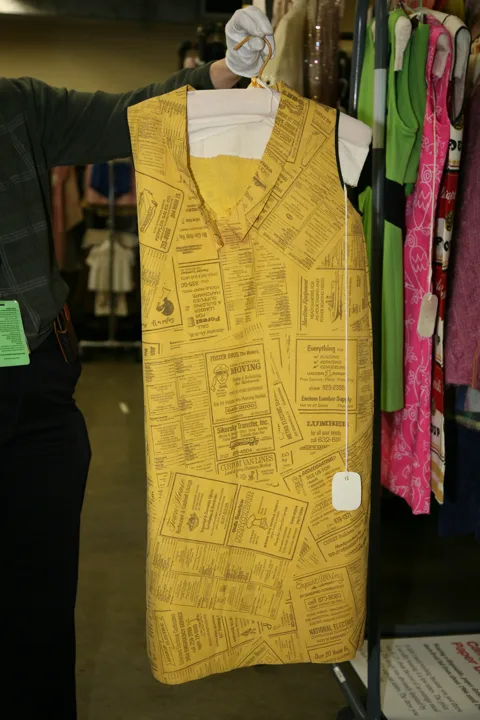
Paper clothing provides historical context for that question, even though the 2027 exhibition is not a history of the paper-dress craze. The Henry Ford’s account dates Scott Paper Company’s promotional offer to April 1966. Customers could send two proofs of purchase and $1.25 for shipping to receive a dress in a red paisley or black-and-white optical-art pattern. An advertising device for paper products unexpectedly became a fashion product itself.
Other manufacturers followed. The Henry Ford describes the appeal of garments that could be altered with scissors, repaired with tape and discarded after use. Its account also records the limits of that promise. The fad cooled by early 1968 as questions of practicality and comfort met changing attitudes toward waste. The attraction of a new material did not settle whether people wanted to live in it for long.
The Met’s own collection includes a Scott Paper dress dated 1966, catalogued as paper and given by Janet Barrell Davis in 1995. That record is a permanent-collection entry, not a statement that this particular dress will appear in extraORDINARY. The historical paper dress pictured with this article belongs to a different institution, the Children’s Museum of Indianapolis. It illustrates the earlier experiment, not an announced loan to New York.
VIRVIB analysis: That history gives the new exhibition’s material question a consequence beyond novelty. Paper can signify convenience and disposability as well as fragility or transformation. Reusing an object and designing an object to be thrown away are different choices, even when both involve an inexpensive material. The interesting comparison is what the maker asks the wearer to value and what happens after the first encounter.
The museum’s exhibition overview says earlier functions and associations remain part of transformed garments. A recognizable material can carry those associations into its new role. The show’s announced interest in use and care therefore extends beyond how a piece looks when first displayed. It asks how an object’s significance develops through contact with the person wearing it.
That does not make every reused material a verified environmental improvement. Such a conclusion would require evidence about production, durability and disposal. An exhibition can draw attention to those questions without supplying an environmental assessment for every object. The documented subject here is design and interpretation. Claims about measurable reductions in waste or emissions would need separate support.
The exhibition, the benefit and the dates to distinguish
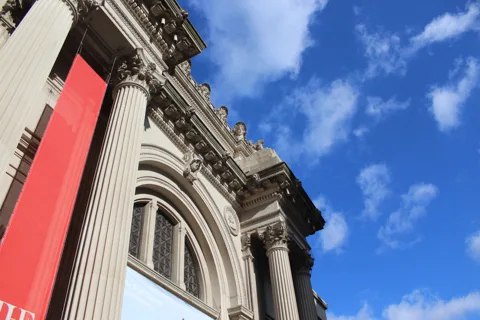
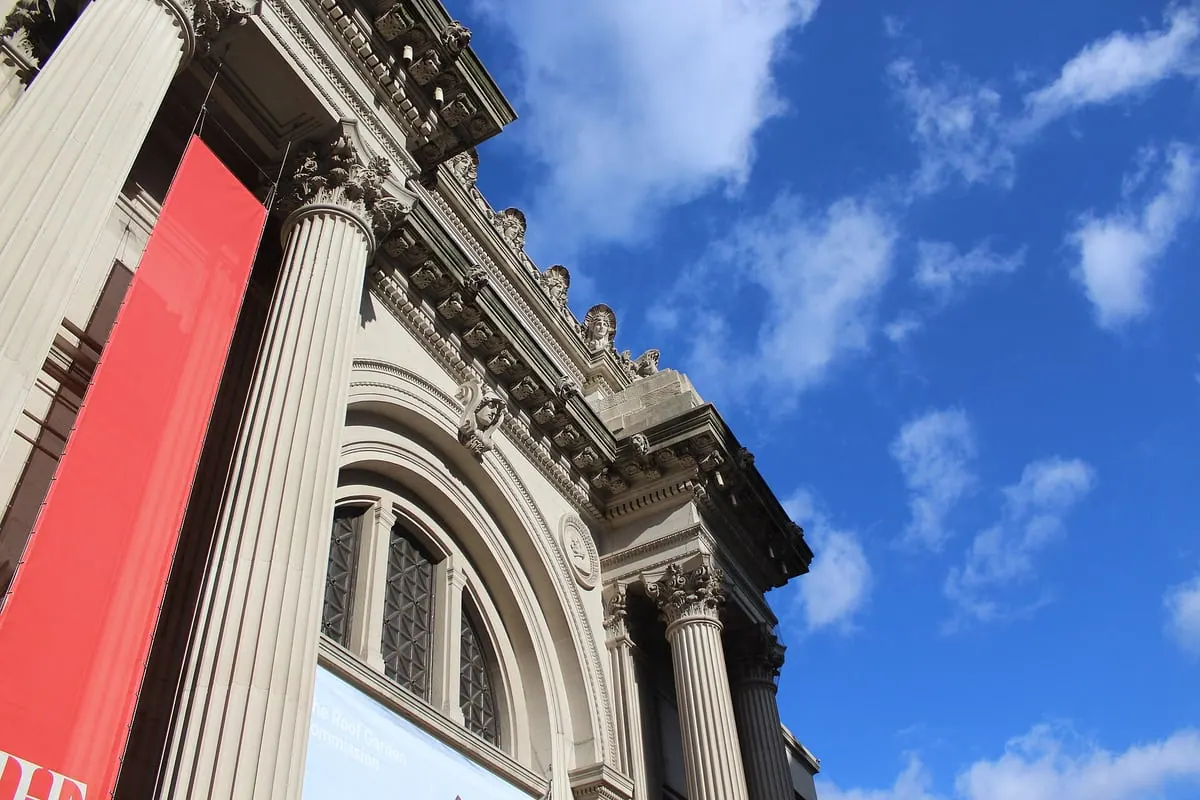
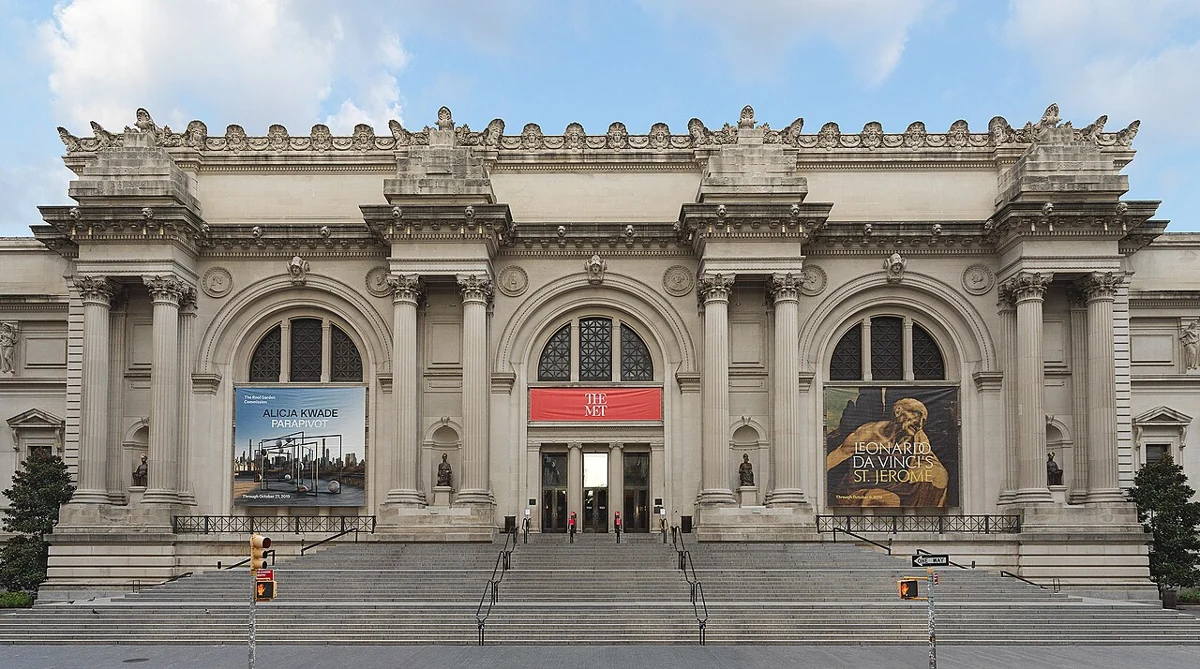
For visitors, the confirmed destination is The Met Fifth Avenue. The exhibition page lists Gallery 099 and says extraORDINARY is included with museum admission. That is different from an invitation to the May 3 benefit. A public exhibition date does not mean the fundraiser itself is open to everyone who buys ordinary museum admission.
The Met’s announcement lists member previews on May 4, 6, 7 and 8 before the May 9 public opening. It says further public-program information will arrive in 2027. Readers planning a visit should distinguish those preview dates from the general opening rather than assuming every date after the gala offers the same access.
The institutional context helps explain why the exhibition and fundraiser travel together. The Costume Institute began as the independent Museum of Costume Art in 1937, merged with The Met in 1946 and became a curatorial department in 1959. Its departmental history describes a collection covering seven centuries, alongside conservation, research and library facilities. The work extends beyond the one evening that attracts red-carpet attention.
The museum says the benefit provides the Costume Institute’s primary annual funding for exhibitions, publications, acquisitions and operations, while also supporting other museum activities. For the 2027 project, Instagram is the named supporter of the exhibition and benefit, with major funding from Moncler, additional support from Condé Nast and education-program support from Jordan Roth.
VIRVIB analysis: The announcement establishes a subject and a schedule, while leaving the event’s hosts and dress instructions unresolved. The next useful details will be the hosts, the dress code and the museum’s public programming. Until those appear, extraORDINARY can be understood on its stated terms: an exhibition asking what familiar clothing and materials can communicate when designers change how they are made, worn and understood.
View sources
Source publication or schedule date: Museum announcement and independent reporting November 5, 2026; historical records retain their dates. Checked November 6.
- The Met — November 5 exhibition and benefit announcement
- The Met — exhibition dates, location and admission status
- Associated Press — new exhibition and pending hosts and dress code
- Vogue — Nicole Phelps interview with Andrew Bolton, November 5
- The Henry Ford — paper dresses of the 1960s
- The Met — Scott Paper dress, 1966, object 1995.444.1
- The Met — Costume Institute history and collection
- Wikimedia Commons — historical paper dress photograph and provenance
- AnewZ — November 6 report on exhibition design and themes
Prepared with AI assistance. Source-based reporting checked on November 6, 2026. This article does not update automatically. Read our editorial standards.