Career timeline
Two public images collided
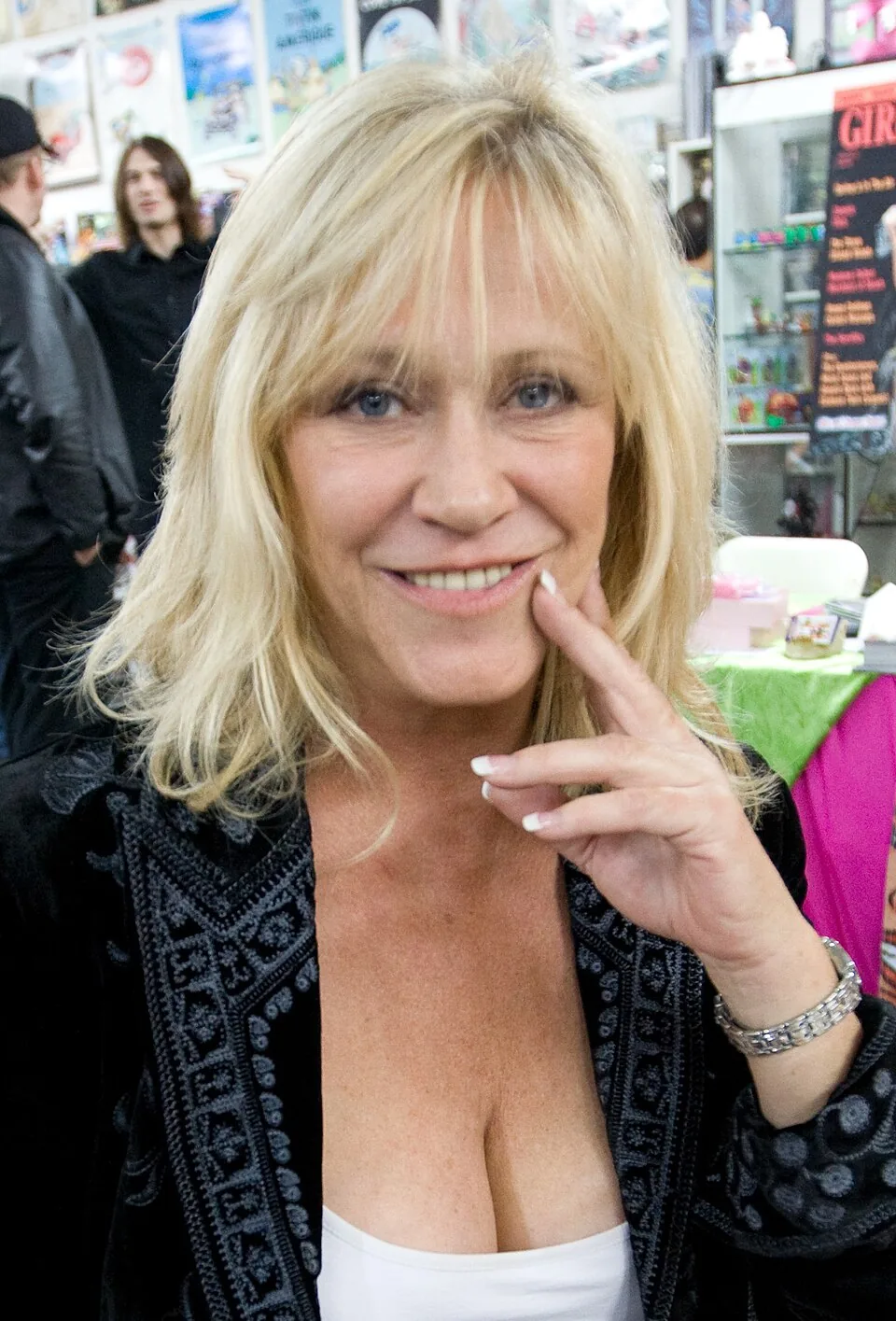
Marilyn Chambers was a model for Ivory Snow before becoming known for the 1972 film Behind the Green Door. The contrast between those two appearances became central to her public image. The Associated Press obituary recalled how her adult-film work reached beyond the audience normally associated with the genre. A face used to advertise a household product had become part of a much larger cultural argument.
The theatrical-film period
Chambers emerged at a time when adult movies were becoming more visible in mainstream discussion. TIME’s remembrance connected her to that early-1970s moment and noted that she also appeared on college panels and published an autobiography. These activities made her a public speaker and a subject of print culture as well as a performer. Her fame was produced through several kinds of media.
Sources: TIME — Richard Corliss remembrance, April 13, 2009 ↗
The David Cronenberg connection
Her role in David Cronenberg’s Rabid offers a separate route into her career. The British Film Institute identifies Chambers as Rose, the central character in the Canadian horror film, alongside Frank Moore and Joe Silver. BFI places the film within Cronenberg’s developing interest in transformations of the body. It is a named dramatic role in a filmmaker’s wider body of work, rather than a passing celebrity appearance.
What the role asked of her
Rabid begins with a motorcycle accident and follows the consequences of experimental surgery. The story depends on Chambers carrying a character through vulnerability and danger as events spread beyond her. BFI’s account emphasizes the film’s place in Canadian cult cinema. The role remains an identifiable point of connection between Chambers’s career and the horror audiences who know her through that film.
A career across changing formats
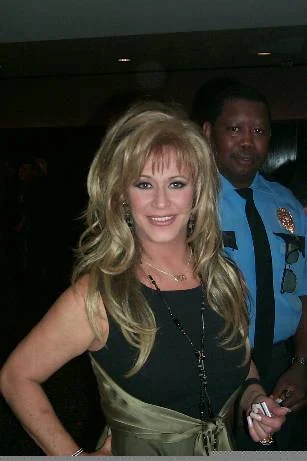
XBIZ’s obituary recorded further work with the Mitchell brothers, later productions and a return to adult filmmaking in 1998. It also noted occasional appearances at industry events. That sequence crossed the movement from theatrical exhibition into home video. The chronology helps explain why photographs of Chambers from conventions and later public appearances can belong to very different periods of her career.
Sources: XBIZ — obituary, April 13, 2009 ↗
The end of the public record
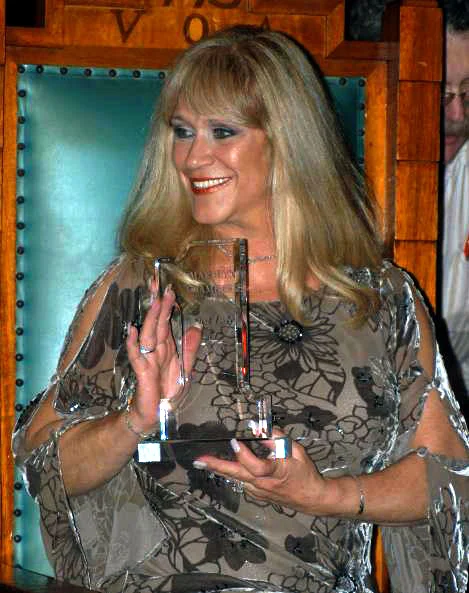
Chambers died in April 2009 at 56. Contemporary reports were still awaiting a determination of the cause, so the first obituaries should be read as reports from that moment. Her public legacy includes modeling, theatrical adult cinema and a central role in a Cronenberg film. Those credits show why a biography built only around the advertising controversy leaves substantial parts of the career unexplored.
Sources: Associated Press — obituary via Legacy ↗ · XBIZ — obituary, April 13, 2009 ↗
Prepared with AI assistance. Source-based reporting checked on October 24, 2026. This article does not update automatically. Read our editorial standards.