Career timeline
A public identity built around one film
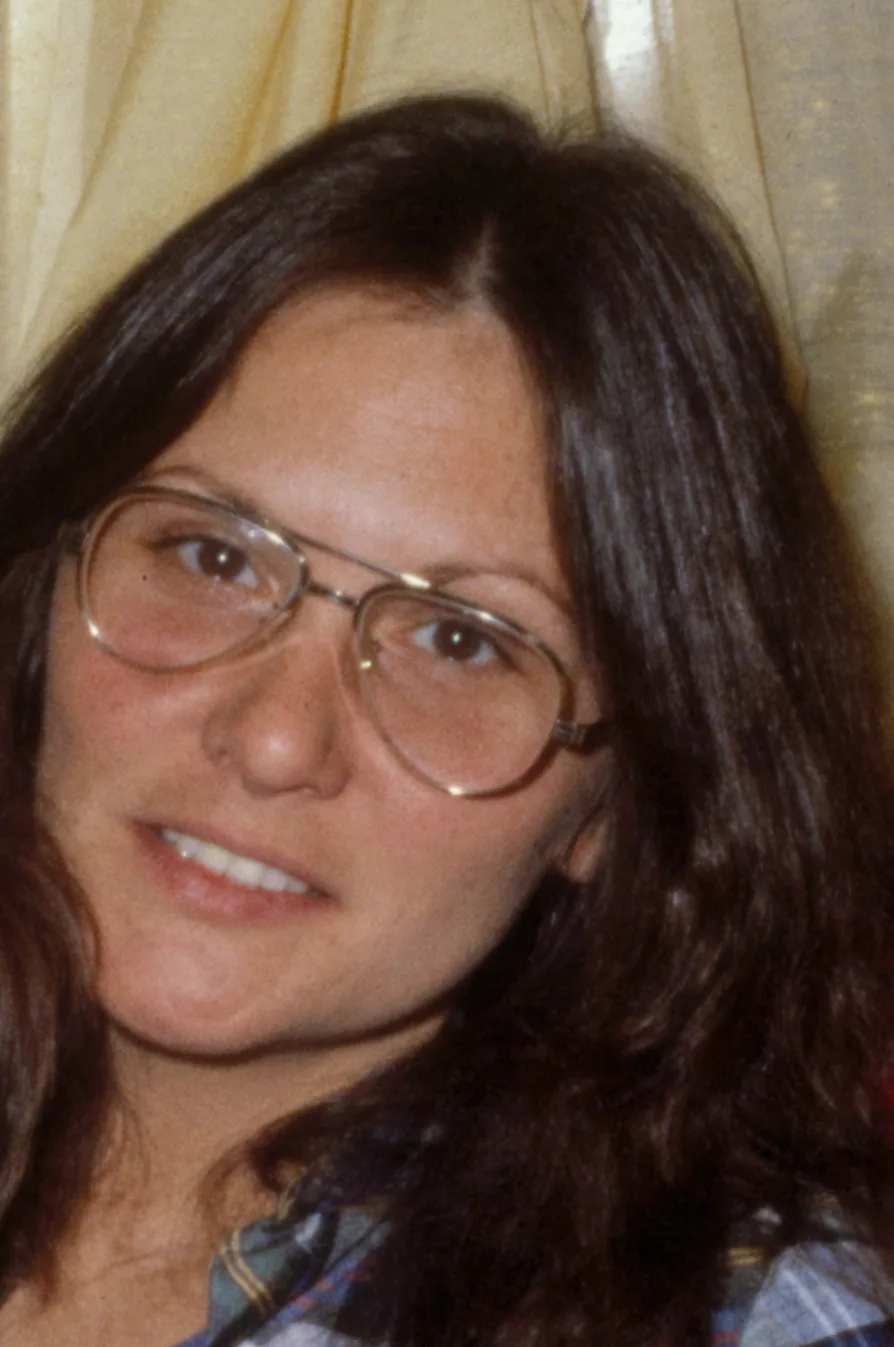
Linda Boreman became internationally known as Linda Lovelace after Deep Throat appeared in 1972. Her subsequent books challenged the public image built around that film. Will Sloan’s Hazlitt essay follows the changing accounts, asking how readers should understand a life narrated through books with different collaborators. The distance between the celebrity image and later testimony is central to that history.
The books did not tell one consistent story
Will Sloan’s 2013 Hazlitt essay examined four memoirs published under her name. He emphasized how sharply their accounts differed and how each involved writing assistance. That history makes authorship itself part of the subject. A celebrity’s name on a cover does not tell a reader who shaped the text, what pressures surrounded it or how later testimony might revise an earlier account.
Ordeal changed the conversation
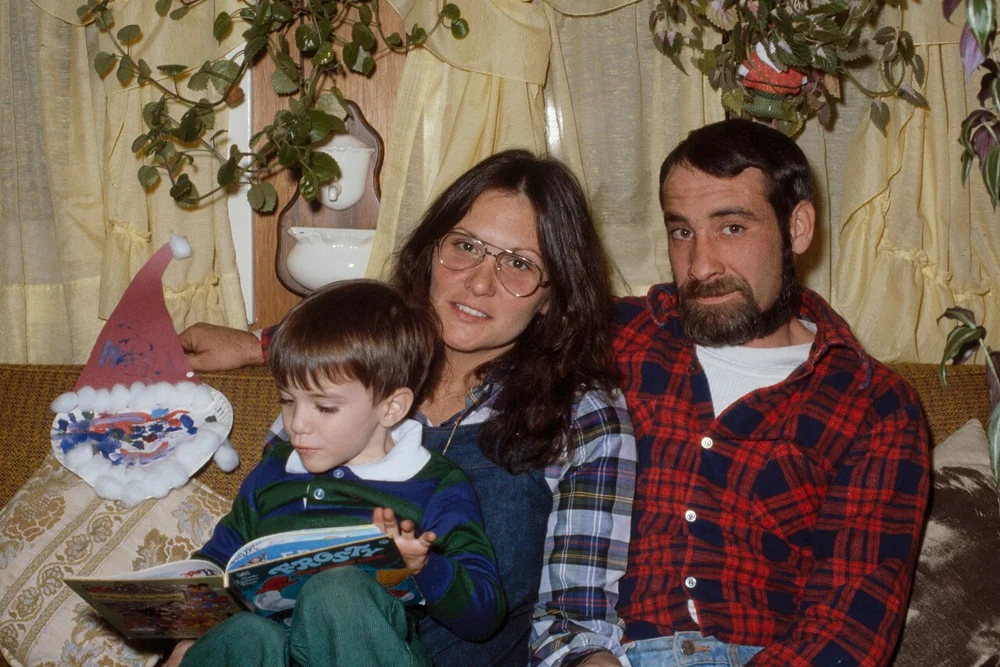
Ordeal, written with Mike McGrady and first published in 1980, presented Lovelace’s allegations of coercion and abuse by her former husband, Chuck Traynor. The book challenged the assumption that a public image of willing participation could establish what happened outside the camera’s frame. Her account became central to later discussion of the film and her life.
Sources: Google Books / Citadel — Ordeal publication and author information ↗ · Open Library — Ordeal bibliographic record ↗
The later public role
The publisher’s account of Ordeal identifies Lovelace’s later testimony to the Meese Commission and her position in the movement against pornography. That became a second public role, different from the one that initially made her famous. Readers can disagree about the wider political arguments while still recognizing the importance of accurately representing what she said about her own experience.
Sources: Google Books / Citadel — Ordeal publication and author information ↗
A book with a long publishing life
Library records show Ordeal appearing in subsequent editions, and Citadel issued a later edition in 2017. That publication history explains why the memoir remains available to readers who were not alive during the original controversy. It is an autobiographical source with a named collaborator and a traceable editorial history, rather than an anonymous collection of claims circulating online.
Sources: Google Books / Citadel — Ordeal publication and author information ↗ · Open Library — Ordeal bibliographic record ↗
The person behind the continuing debate
Boreman died in April 2002 after a car accident. WIRED’s obituary described the distance between her initial fame and later public opposition to pornography. Those two roles should remain distinct in any account of her life. Her later statements were an attempt to contest what audiences believed they knew about the person represented by a widely circulated screen name.
Prepared with AI assistance. Source-based reporting checked on October 24, 2026. This article does not update automatically. Read our editorial standards.