Career timeline
An established performer moved behind the camera
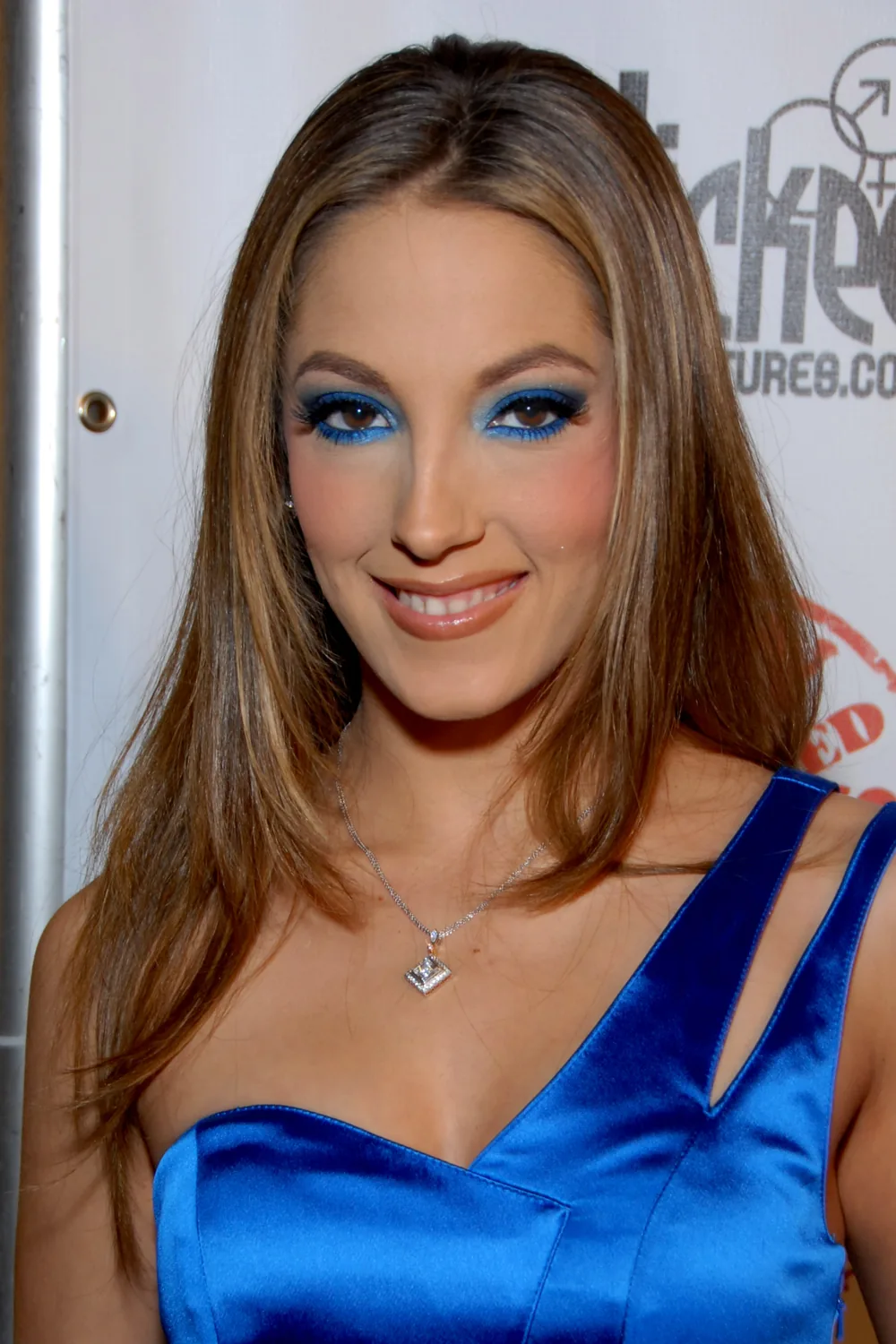
Jenna Haze’s early career earned major industry recognition, including AVN’s 2003 Best New Starlet award and performer-of-the-year honors in 2009. XBIZ’s 2012 account records those awards alongside a significant business step: the creation of Jennaration X Studios in 2009. The company gave her a role in producing and directing. That change introduced responsibilities beyond appearing in a production, including shaping the work and running the studio attached to her name.
Sources: XBIZ — Jenna Haze retirement announcement, February 7, 2012 ↗
Retirement from performing did not mean one final date
In February 2012, Haze announced that she was retiring from adult-film performance. She said directing had become her main creative interest and described satisfaction with what she had achieved over a decade on screen. The announcement concerned a particular form of work. Her official biography separately records a later farewell to feature dancing, which ended in February 2018 after a final tour. Keeping those dates distinct makes the career timeline clearer.
Sources: XBIZ — Jenna Haze retirement announcement, February 7, 2012 ↗ · Jenna Haze — Official biography ↗
Mainstream credits extended beyond one appearance
Haze’s official biography lists appearances in Superbad and Crank: High Voltage, as well as independent films and comedy projects associated with James Gunn. It also identifies work connected with the band The Pretty Reckless. These are separate screen and music-related credits, rather than evidence that she permanently exchanged one industry for another overnight. They show how recognizable performers can accumulate varied projects while continuing to reconsider the main direction of their work.
Sources: Jenna Haze — Official biography ↗
A photography publication recorded the farewell period
Office Magazine covered Last Dance in February 2019, describing a photography project connected with Haze’s final dance tour. Presented by PAPER WORK, it included photographs by Julia Fox, Michael Krim, Sean Maung and Adam Jason Cohen. Those credits matter because the publication was a collaboration, not a collection that should automatically be attributed to Haze as photographer. The project gave a touring period a different afterlife through an edited printed object.
The project changed who shaped the public view
Office’s coverage emphasized Haze’s participation in how that period of her life was presented. The magazine framed the photographs as an opportunity to see the performer’s perspective, rather than only the audience-facing persona. That is the publication’s critical interpretation, but it identifies a connecting theme across the record: directing a studio project and collaborating on a photographic account both involve decisions about presentation. The later work adds authorship and curation to a biography that began with performance.
Prepared with AI assistance. Source-based reporting checked on October 24, 2026. This article does not update automatically. Read our editorial standards.