Career timeline
A Hungarian-born performer became an Italian public figure

Staller was born in Budapest in 1951, according to the Italian film reference ComingSoon. Her career developed in Italy across film, music and broadcasting. That movement between countries and media is essential context for the public persona later known internationally as Cicciolina: it formed through entertainment work before becoming a political story.
The stage name had a radio history
ComingSoon traces the Cicciolina persona to Staller’s collaboration with Riccardo Schicchi and the Radio Luna program Voulez-vous coucher avec moi? in the 1970s. Radio provided a format built around voice and audience interaction. The name therefore belonged to a longer media history before the adult-film appearances and political headlines that many international readers associate with it.
The 1987 election was a documented political event
Radio Radicale’s archive preserves a June 23, 1987 program about Staller’s election to the Chamber of Deputies on the Radical Party’s list. The contemporary recording is useful evidence of how the election was discussed at the time. It places her candidacy within an actual political organization and a national election, rather than treating it as a publicity anecdote.
Sources: Radio Radicale: contemporary coverage of the 1987 election ↗
Official records define the term of office
The Chamber of Deputies lists her as Elena Anna Staller, with proclamation on June 27, 1987, and the end of her mandate on April 22, 1992. They also distinguish an elected term from appearances in political discussion or entertainment coverage, which should not be mistaken for continuing service in office.
Sources: Italian Chamber of Deputies: Staller’s term and legislative interventions ↗
The record includes legislative interventions
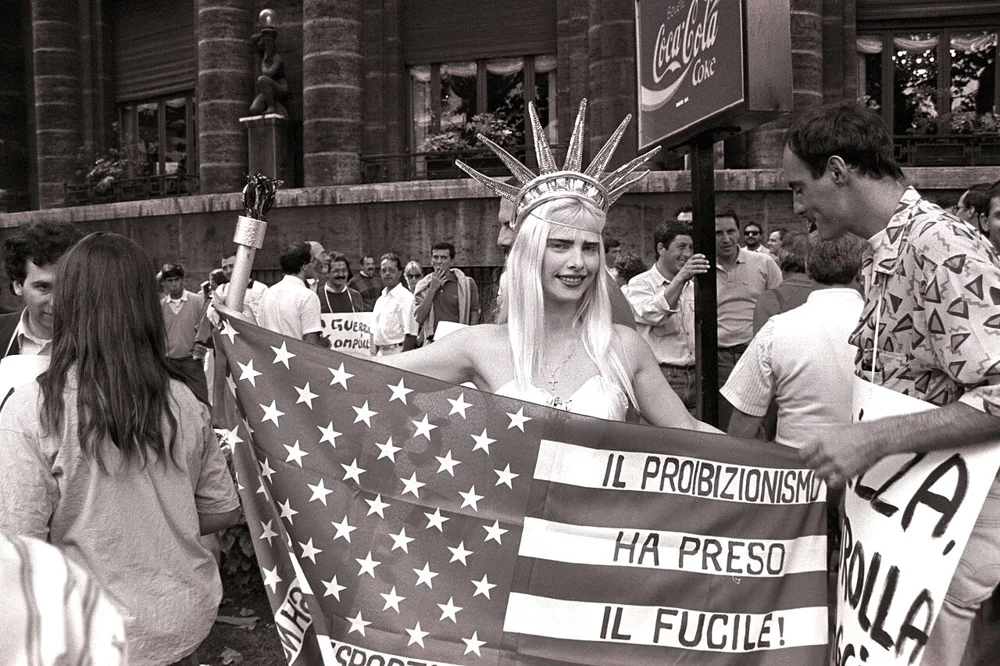
The parliamentary archive lists interventions during 1989 debates on legislation addressing sexual violence. This is a more concrete description of parliamentary activity than broad claims that she did nothing or transformed the institution. The archive supports the fact of participation in those debates; it does not, by itself, measure the effectiveness or wider influence of her work.
Sources: Italian Chamber of Deputies: Staller’s term and legislative interventions ↗
Two histories need to be read together
Staller’s public story sits at the intersection of celebrity culture and representative politics. The film reference helps explain how her entertainment identity formed, while the radio and parliamentary archives document what happened when that identity entered an election. Keeping both records in view produces a fuller biography, with dates, institutions and professional contexts behind a much-repeated public name.
Sources: ComingSoon: Ilona Staller biography ↗ · Radio Radicale: contemporary coverage of the 1987 election ↗ · Italian Chamber of Deputies: Staller’s term and legislative interventions ↗
Prepared with AI assistance. Source-based reporting checked on October 24, 2026. This article does not update automatically. Read our editorial standards.