Sunrise on the Reaping tickets are on sale: the two November dates
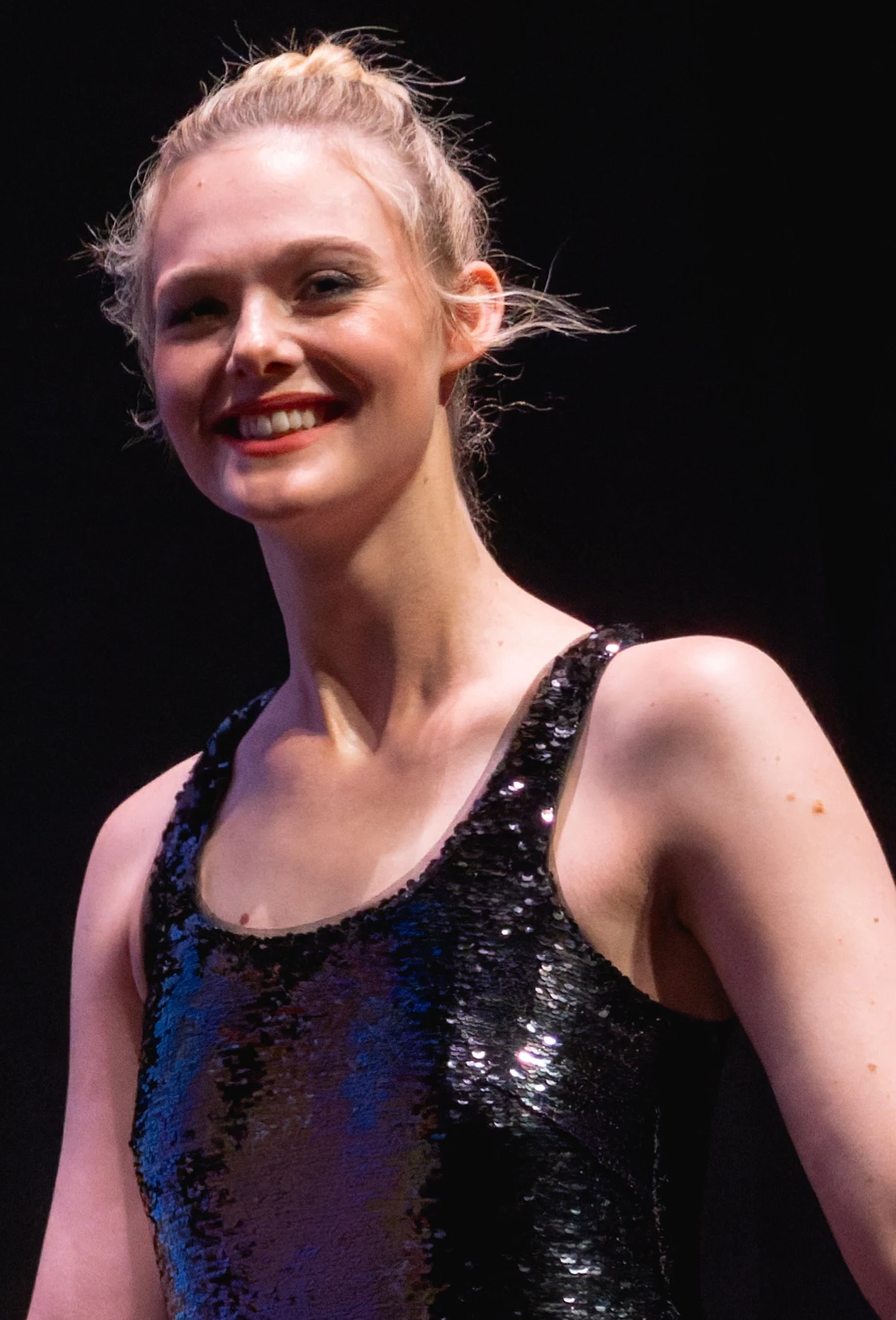
Tickets for The Hunger Games: Sunrise on the Reaping went on sale on October 28, 2026, as the next Panem film moved into its final theatrical launch campaign. The nationwide U.S. release is November 20. Selected early-access screenings arrive on November 18, two days earlier. BroadwayWorld reported the ticket announcement, while Fandango and Cinemark list the regular release and early-access event respectively.
Those dates describe different screenings, rather than conflicting release announcements. A ticket labeled early access is tied to that event’s participating locations and formats. The November 20 date is the general theatrical opening. Viewers comparing nearby cinemas should check the actual date on the selected performance rather than assuming every theater will begin showing the film on November 18.
The cast includes Joseph Zada as the young Haymitch Abernathy, with Elle Fanning playing Effie Trinket. Francis Lawrence directs. These are among the credits listed by Fandango, and Scholastic’s film announcement independently identifies Zada, Fanning and Lawrence among the adaptation’s principal talent. The movie adapts Suzanne Collins’ novel, originally published on March 18, 2025.
The theatrical listings checked on October 29 agree on a PG-13 rating but differ on running time. Cinemark’s early-access page lists two hours and 43 minutes; Fandango’s regular movie page lists two hours and 30 minutes. This guide does not resolve that discrepancy by selecting one figure as definitive. Anyone arranging transport or a late screening should confirm the duration with the cinema handling that performance.
The ticket announcement identifies IMAX and several other premium formats among the early-access options. Availability remains a local-listing question, however. A format named in the national campaign is not a guarantee that every nearby theater offers it, or that every showtime uses it. The linked exhibitor and ticketing pages are the appropriate places to compare the actual performance details.
VIRVIB analysis: the practical news is that the booking window is open and the film now has two distinct entry points for U.S. audiences. The early-access event offers an earlier visit; the regular release provides the broader opening date. Neither the ticket launch nor the first promotional responses establishes how the movie will perform commercially once general audiences see it.
Sources: BroadwayWorld — October 28 ticket announcement and film details ↗ · Fandango — U.S. release date, cast and current ticket listing ↗ · Cinemark — November 18 early-access event listing ↗ · Scholastic — novel publication, film cast and filmmakers ↗
Young Haymitch, the Second Quarter Quell and the ensemble cast
Sunrise on the Reaping takes place 24 years before the events of the original Hunger Games story. Scholastic’s reader guide identifies its central character as 16-year-old Haymitch and places the action around the 50th Hunger Games, known as the Second Quarter Quell. The defining change in this edition of the competition is that twice as many tributes are taken from their homes.
That premise changes the reader’s point of entry into a familiar world. Haymitch is the young person facing the competition, rather than simply a supporting figure whose past is already complete. Zada carries that younger version in the film. Understanding the placement in the timeline is more useful for a newcomer than treating the title as a direct continuation of Katniss’ main storyline.
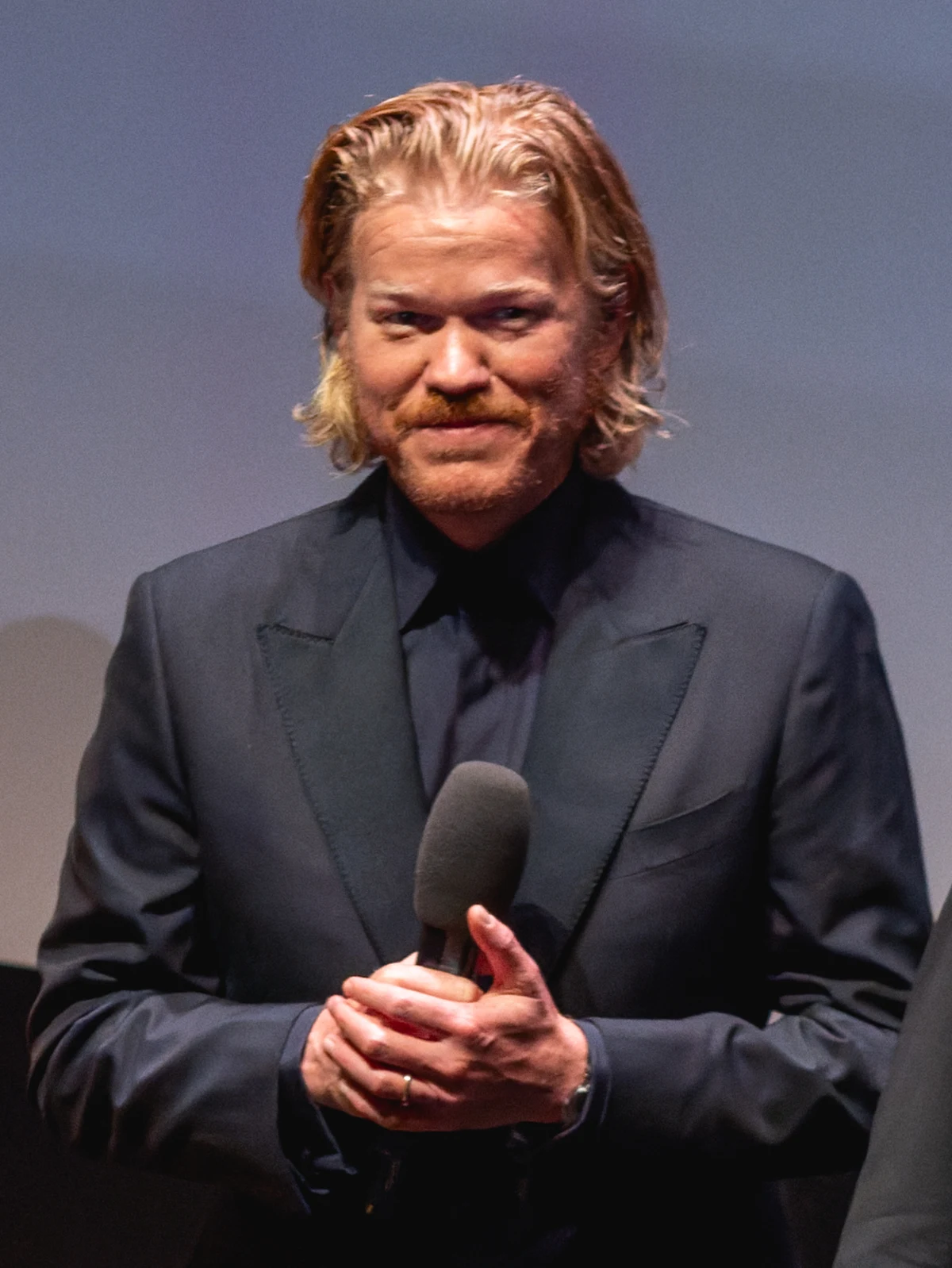
The supporting cast connects the prequel to other recognizable names from Panem. Fandango lists Ralph Fiennes as President Snow, Jesse Plemons as Plutarch Heavensbee, Kieran Culkin as Caesar Flickerman and Maya Hawke as Wiress. Mckenna Grace plays Maysilee Donner, while Whitney Peak plays Lenore Dove Baird. Glenn Close is listed as Drusilla Sickle and Kelvin Harrison Jr. as Beetee Latier.
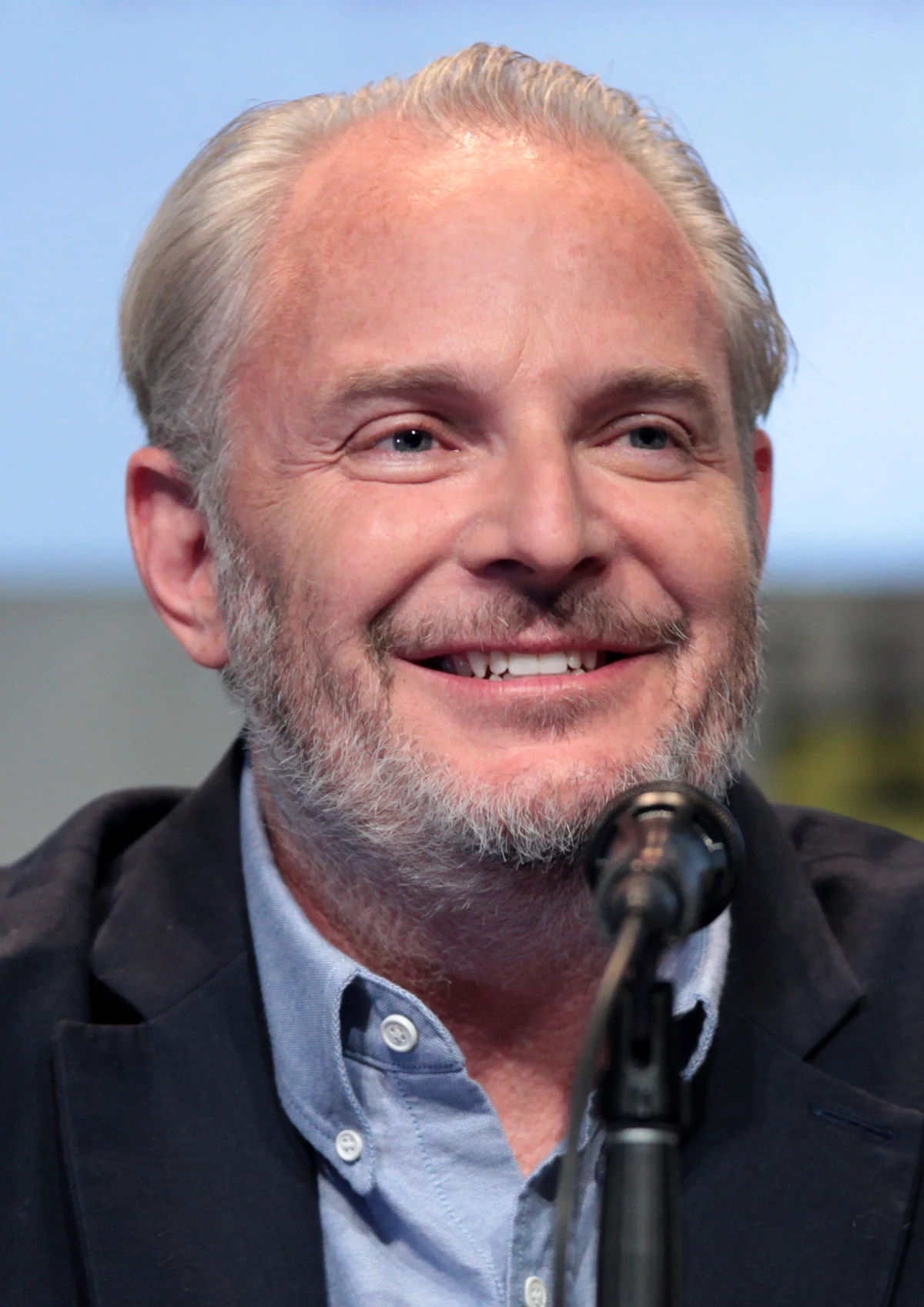
Those credits establish the actors and characters; they do not establish how much screen time each receives or how a particular scene is staged. The guide stays with the announced premise and cast instead of reconstructing unviewed scenes from fan theories. The archival portraits accompanying this article show cast members and the director as themselves, with their original dates and contexts disclosed.
The novel’s background also gives the project a more specific thematic identity than an enlarged arena contest. In Scholastic’s original announcement, Collins described an interest in political submission, propaganda and the control of narratives, drawing inspiration from the philosopher David Hume. That is the author’s stated context for the book. How fully the screen adaptation realizes those ideas is a question for reviewing the finished film.
VIRVIB analysis: a prequel can make an earlier period matter even when audiences recognize names that survive into later stories. The dramatic question can shift toward what institutions do to people, how an official account is constructed and what an individual understands while events are unfolding. Those are useful lenses for approaching this premise, rather than claims that any particular unverified sequence appears in the movie.
Sources: Fandango — U.S. release date, cast and current ticket listing ↗ · Scholastic — novel publication, film cast and filmmakers ↗ · Scholastic — story chronology and reader guide ↗ · Scholastic — Collins’ statement on propaganda and narrative control ↗
What the first reactions establish—and what viewers should watch next
Early responses began circulating on October 28. TheWrap’s report, published that evening, gathered reactions after a London screening and highlighted praise for Zada and the ensemble. It cited Nerds of Color writer Nikita Francois and Collider’s Perri Nemiroff among the enthusiastic viewers. Variety’s separate roundup also collected favorable social-media comments about the performances and production.
These are identifiable early reactions, not a comprehensive measure of every critic or audience member. Describing the film as definitively the franchise’s best would turn an individual opinion into an unsupported consensus. The defensible news is that some people who attended an advance showing responded positively, and that Zada’s performance was a recurring point of attention in the published roundups.
This article is a reported release guide, not VIRVIB’s review of the film. It makes no claim to have attended the screening. The distinction matters because readers looking for a review should expect an assessment of the complete work, including how its story, performances and filmmaking function together. A handful of short responses offers a first signal without supplying that whole argument.
Francis Lawrence brings substantial continuity to the adaptation. Scholastic’s January 2026 announcement identifies him as the filmmaker behind each installment since Catching Fire, and again names him as this film’s director. Producers Nina Jacobson and Brad Simpson also return. Those production connections establish experience with the series, while the performance of the new film still has to be judged on its own merits.
Readers who want to prepare have an existing source text to consult. Scholastic’s September 2026 movie tie-in paperback is an edition of Collins’ novel, not evidence that the film reproduces every passage. Reading the book can explain the setting and characters in depth, but a screen adaptation remains a separate work. This guide avoids late-story plot details so that the release information does not require spoiling the narrative.
VIRVIB analysis: the next useful evidence will come from fuller criticism and the general audience response around release. For now, the confirmed planning points are the November 18 early-access option and November 20 U.S. theatrical opening. The current campaign has introduced the cast, opened booking and generated favorable advance discussion. It has not yet supplied a basis for declaring a box-office outcome or a universal verdict on the finished film.
Sources: Scholastic — novel publication, film cast and filmmakers ↗ · TheWrap — independently reported October 28 early reactions ↗ · Variety — advance-screening reaction roundup ↗
Why this story is in the editionSunrise on the Reaping appeared in indexed Google Trends U.S. Trending Now results checked October 29, 2026. Editorial selection, not a national rank or search-volume claim.
Prepared with AI assistance. Source-based reporting checked on 2026-10-29. This article does not update automatically. Read our editorial standards.