The Blair Witch Project — uncertainty without a visible answer
Looking for horror movies without jump scares does not necessarily mean looking for an easy evening. A film can avoid a sudden shock and still leave an audience deeply uneasy. This guide separates two questions that recommendation lists often combine: how often a movie tries to startle you, and what kinds of fear or disturbing material it contains. Four selections below are listed with zero jump scares by the specialist database Where's the Jump. Two further alternatives have four apiece but receive low jump-scare ratings there. Those are the database's classifications, not guarantees about any individual viewer's reactions.
The Blair Witch Project, the 1999 film directed by Daniel Myrick and Eduardo Sánchez, is the first zero-count selection. Its found-footage approach makes limited information central to the experience. Instead of relying on a clear view of a pursuing monster, the premise asks the viewer to make sense of what a small group can record, hear and interpret around them.
Choose it if uncertainty itself is the attraction. Do not choose it simply because a zero in one column sounds reassuring: disorientation, arguments and a frightening situation can matter more than a sudden sound cue. Also keep the year visible when searching. Where's the Jump lists eighteen jump scares for Blair Witch, the separate 2016 film. A similar title is not a similar startle profile.
Sources: Where's the Jump — The Blair Witch Project (1999) ↗ · Where's the Jump — Blair Witch (2016) ↗
A Girl Walks Home Alone at Night — a vampire film with room to drift
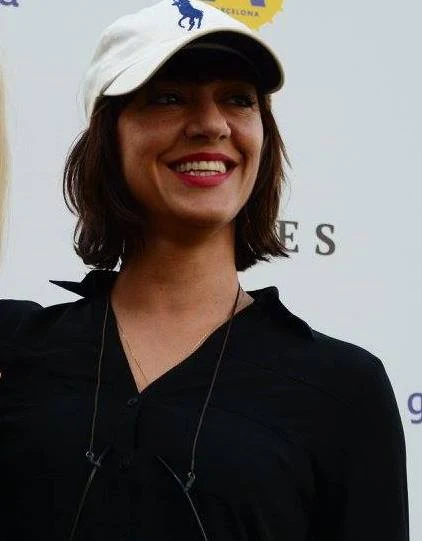
Ana Lily Amirpour's A Girl Walks Home Alone at Night offers another route into a zero-count selection. Kino Lorber identifies the 2014 film as a Farsi-language feature set in the fictional Bad City, with Sheila Vand among the cast. Its official description positions it as a vampire Western, drawing attention to the combination of forms rather than presenting it as a conventional sequence of attacks. Where's the Jump records no jump scares.
The useful distinction is rhythm. A viewer who dislikes being jolted may still enjoy watching a scene hold its uncertainty, especially when music, movement and black-and-white images do much of the work. The vampire premise supplies danger without requiring that danger to announce itself through the same editing pattern every few minutes. That makes the film an interesting next step after a more familiar monster movie.
It is still a story whose atmosphere includes exploitation, isolation and violence. Zero recorded jump scares should not be translated into a claim that it is light, appropriate for every age, or free of disturbing themes. Pick it for a particular mixture of mood and genre, not as an automatically comfortable substitute. The distributor's page supplies the premise and credits; the database supplies the narrow startle classification. Keeping those two kinds of information separate makes a recommendation more useful than a single reassuring label.
Sources: Kino Lorber — A Girl Walks Home Alone at Night ↗ · Where's the Jump — A Girl Walks Home Alone at Night ↗
Berberian Sound Studio — the noise can be the uncomfortable part
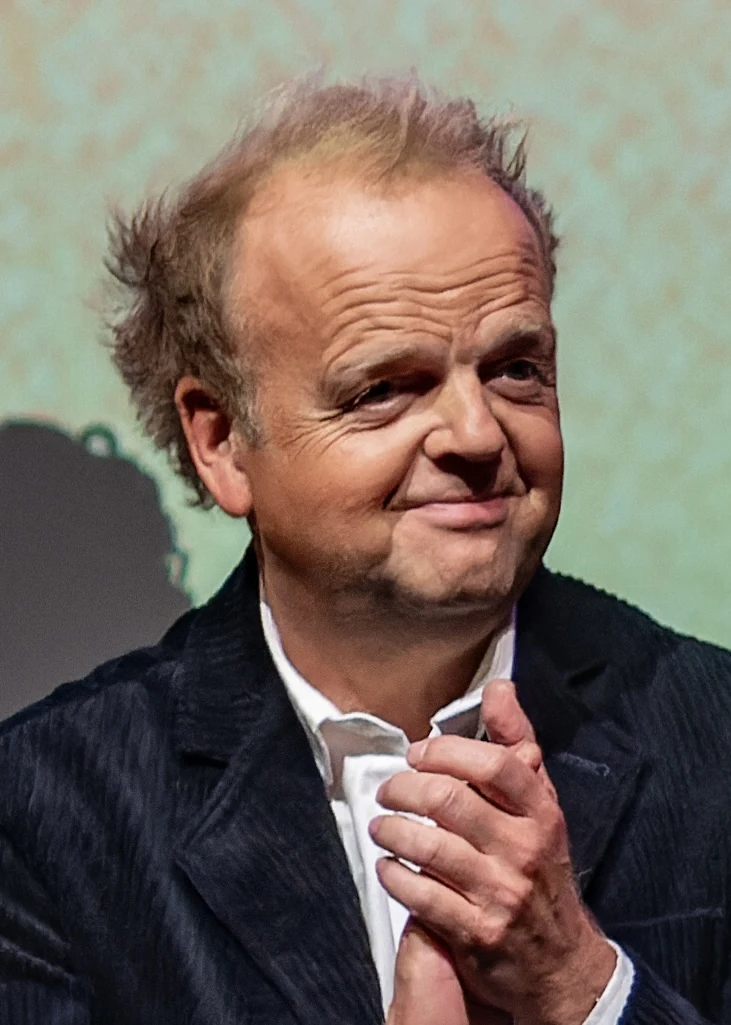
Berberian Sound Studio is an especially useful reminder that avoiding jump scares does not mean avoiding aggressive sound. Peter Strickland's 2012 film stars Toby Jones as a sound engineer drawn into work on an Italian horror production. IFC Center's record identifies the film, its director and cast. Where's the Jump lists a zero count, but that number cannot describe every way a film about manufactured sounds may affect its audience.
The premise moves attention behind the screen. A horror effect that seems to belong to a fictional event has to be made somewhere, by people, with materials and decisions. A story set around that process can unsettle the boundary between ordinary work and the images an audience imagines. The threat does not have to leap into the frame when the soundtrack is already encouraging the viewer to supply something unpleasant.
Choose this if the mechanics of cinema interest you as much as a conventional plot explanation. It is a different recommendation from a quiet haunted-house film, even when both appear on a low-jump list. If harsh sounds or psychological disorientation are the things you most want to avoid, the zero count may be less relevant than the premise itself. That is why this guide offers several routes rather than declaring one title the best horror film for everyone who dislikes sudden shocks.
Sources: IFC Center — Berberian Sound Studio ↗ · Where's the Jump — Berberian Sound Studio ↗
The Clovehitch Killer — familiarity becomes the source of suspicion
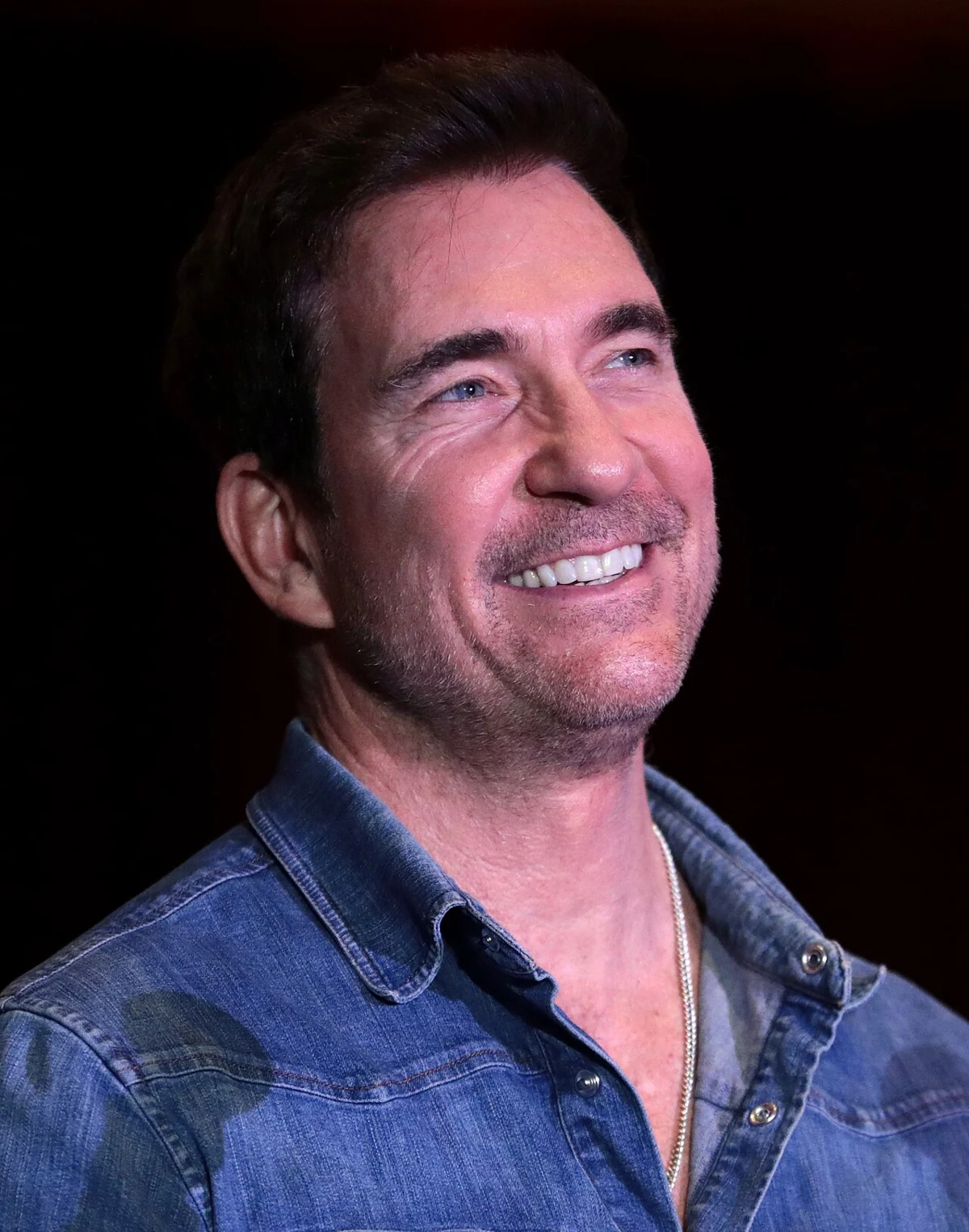
The Clovehitch Killer is closer to a crime mystery and psychological thriller than to a supernatural monster film. IFC Center describes a teenager, played by Charlie Plummer, who begins to suspect that his apparently respectable father, played by Dylan McDermott, may be connected to unsolved murders. Duncan Skiles directs. Where's the Jump records zero jump scares and explicitly places the movie toward thriller and mystery territory.
The recommendation therefore comes with a different question: are you comfortable with dread built around a relationship rather than a creature? A family can create suspense because it contains habits, assumptions and a long history of trust. When a young character starts examining those assumptions, ordinary exchanges can acquire a second meaning. A film does not need repeated surprises to make that process uncomfortable.
Its subject matter is serious and includes sexual violence and murder in the surrounding case. Mentioning that subject is not the same as claiming the film displays every incident graphically, but it matters to the choice. Someone who wants a spooky evening without sudden noises may prefer another selection if this particular material is unwelcome. The useful promise here is limited: the specialist database lists no jump scares. The film's broader content and its domestic suspicion are separate considerations. This is a choice for patient tension, not a claim that a zero-count thriller cannot be upsetting.
Sources: IFC Center — The Clovehitch Killer ↗ · Where's the Jump — The Clovehitch Killer ↗
The Lighthouse — a low-jump alternative, not a zero-jump promise
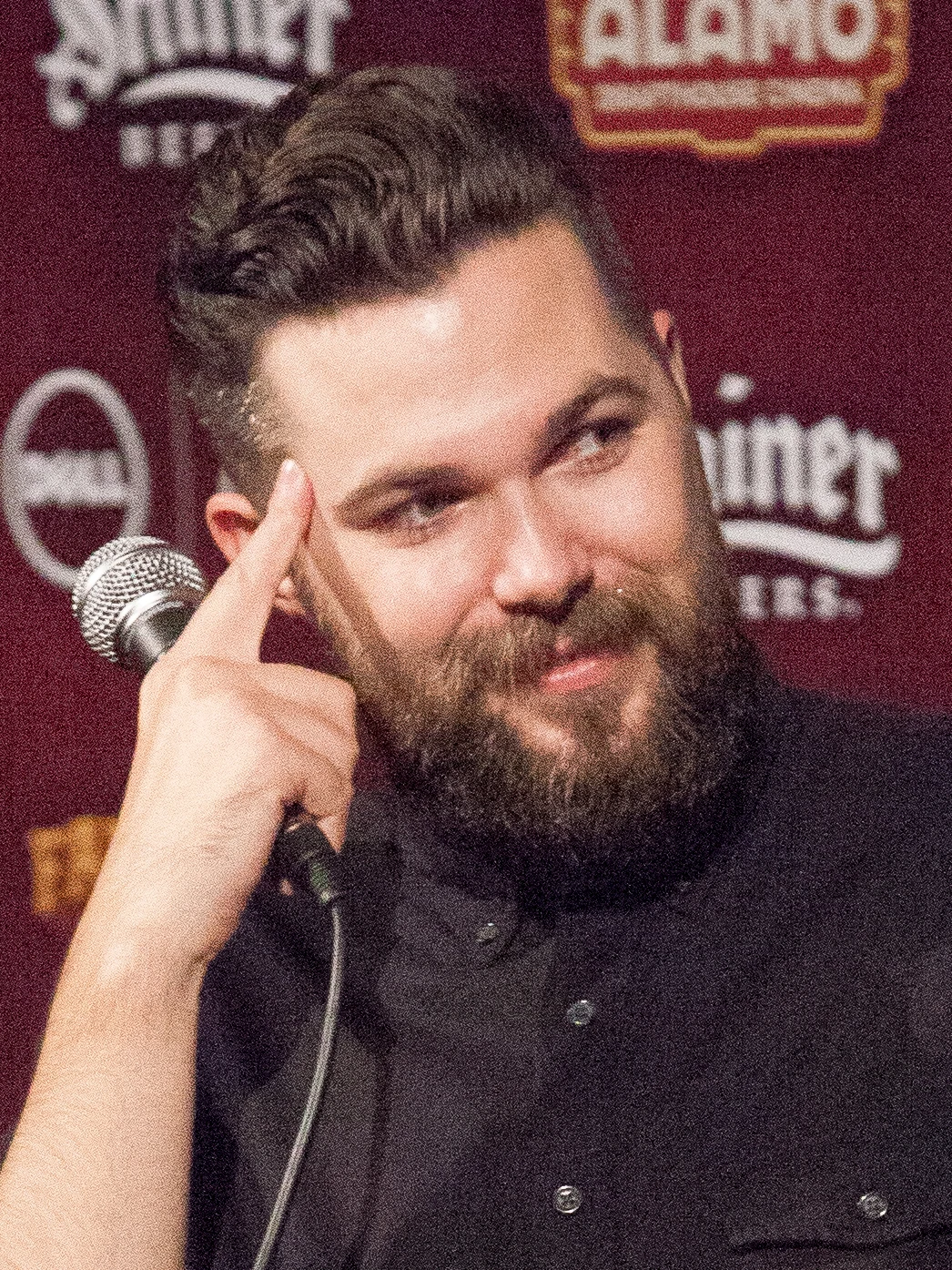
The Lighthouse belongs in the second part of the guide. Where's the Jump records four jump scares and gives it a low rating of 1.0. It would therefore be inaccurate to present Robert Eggers's 2019 film as having none. A24's official record identifies the project and its cast, led by Willem Dafoe and Robert Pattinson. The central situation places two lighthouse keepers in an increasingly difficult shared existence.
For viewers willing to accept a small number of recorded shocks, the attraction is pressure that accumulates through confinement, dependence and uncertainty. A place that should provide guidance becomes the setting for people who cannot easily get away from each other. That premise can be effective for an audience interested in atmosphere, but it does not make the movie mild. Disturbing imagery, sexual material and harsh sound can be more significant than the number of startles.
Choose it when the appeal is a difficult relationship and a highly particular cinematic world. Skip the assumption that a low jump-scare rating is an overall intensity rating. The database's detailed page can help a viewer who wants scene-level information, though those descriptions may reveal moments in advance. This is an alternative for someone prepared to negotiate the occasional shock, not a back-door inclusion in a list falsely promising complete absence.
Sources: A24 — The Lighthouse ↗ · Where's the Jump — The Lighthouse ↗
The Wicker Man — check the version, then choose your kind of unease
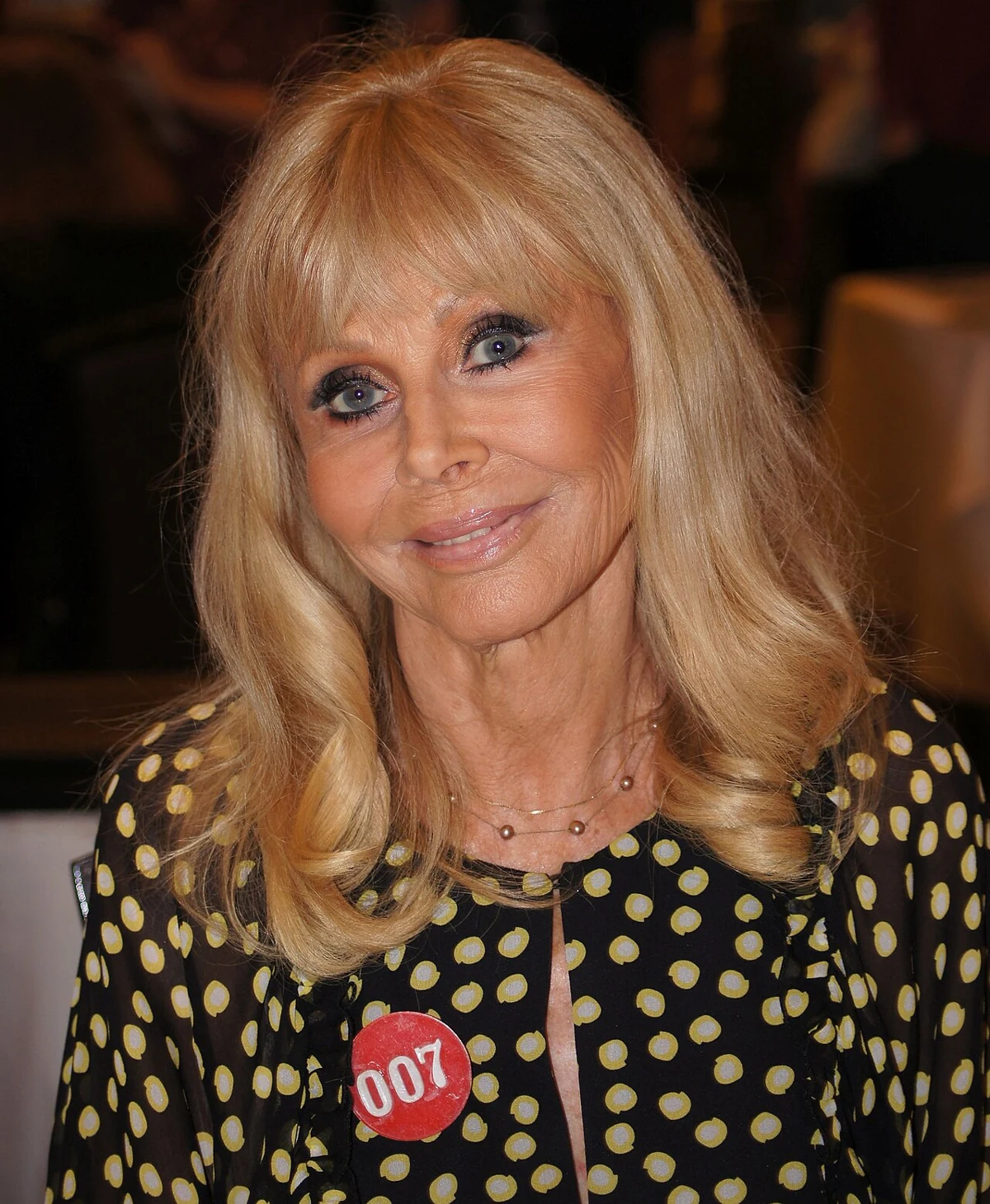
The original 1973 The Wicker Man is the other low-jump alternative. Where's the Jump records four scares but assigns a rating of 0.5, describing them as minor rather than making them the main attraction. Its story brings an investigator into an island community whose customs challenge his expectations. Christopher Lee and Britt Ekland are among its recognizable performers. The source page and the year distinguish it from later versions that should not be substituted without checking.
What makes this a different finish to the watchlist is the relationship between an outsider and a community. Suspense can grow from incompatible assumptions about what people believe and what an apparently welcoming place expects from a visitor. A scene may look less overtly threatening than one in a conventional haunted house while still making the viewer wonder whether the protagonist understands the rules around him. That is a different form of unease from an attack that arrives without warning.
The final choice should follow your own preferences. For a zero-count starting point, consider the first four films while checking their broader subject matter. For a low-count alternative, consider these last two without calling them shock-free. The point is not to turn an imperfect classification into a guarantee. It is to make a more informed choice about the kind of tension you want to spend an evening with.
Prepared with AI assistance. Source-based reporting checked on October 25, 2026. This article does not update automatically. Read our editorial standards.