Nosferatu (1922): begin with the shadow, not the remake
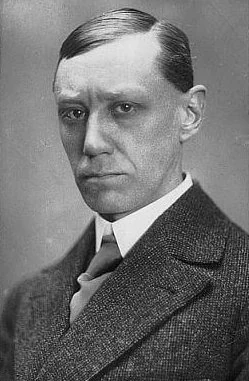
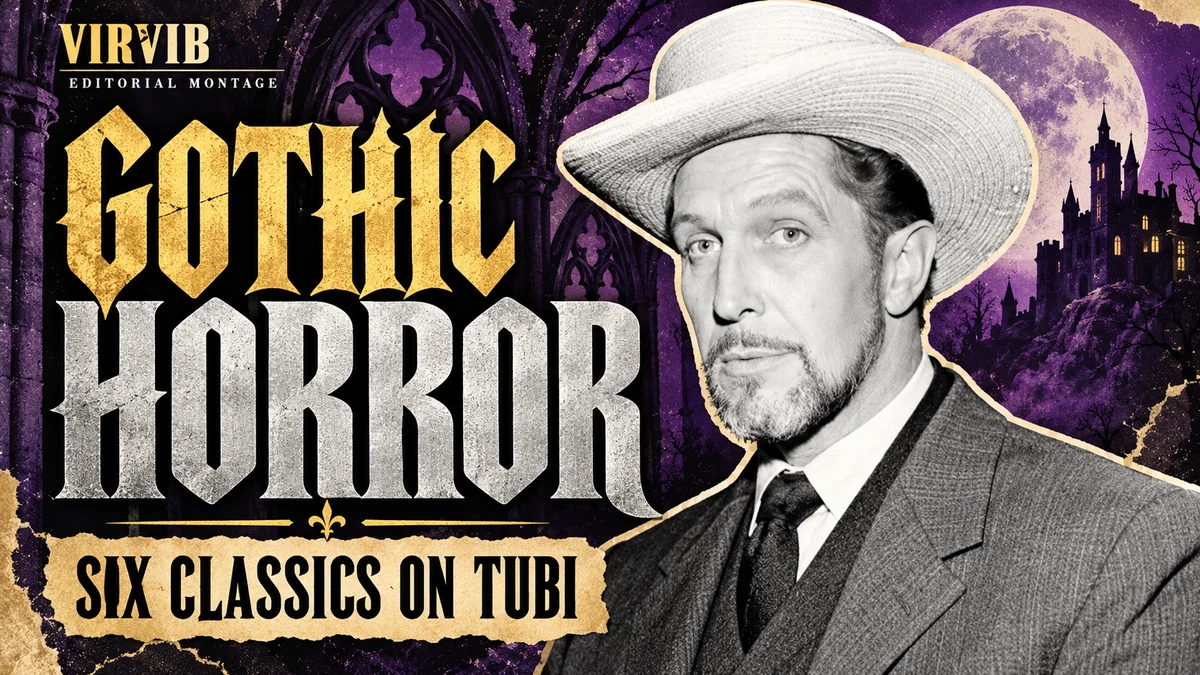
A search for gothic horror movies on Tubi can lead from Max Schreck’s silent vampire to a grieving composer in a Victorian house. The films in between do not offer interchangeable scares: one follows a family curse, while another turns an invitation into a test of its guests. These six selections are an editorial route through the catalog, checked against official Tubi listings on October 25, 2026. A listing does not establish that every viewer can play the film: regional rights, versions and availability can change. Open the linked title in your location before planning a marathon.
Start with F.W. Murnau's Nosferatu if you want to understand how a shape can become a threat. Max Schreck's Count Orlok belongs to the Dracula tradition, but the BFI notes how this gaunt, animal-like figure differs from the sophisticated vampire familiar from later films. Mountains, forests and the sea become part of the nightmare rather than a pleasant route to the next interior. The point is not that an old film predicted every later vampire. It is that physical surroundings can make an impossible creature feel disturbingly present.
This is the strongest opening choice for viewers interested in visual storytelling. Allow time for the silent-film rhythm and attend to movement, framing and the relationship between a body and its shadow. If dialogue and character conversation are essential to your evening, save it for a double feature with Herzog's later variation instead.
Sources: Tubi — Nosferatu (1922) title listing ↗ · BFI — Nosferatu and its expressionist imagery ↗
Black Sunday (1960): when inheritance becomes a trap
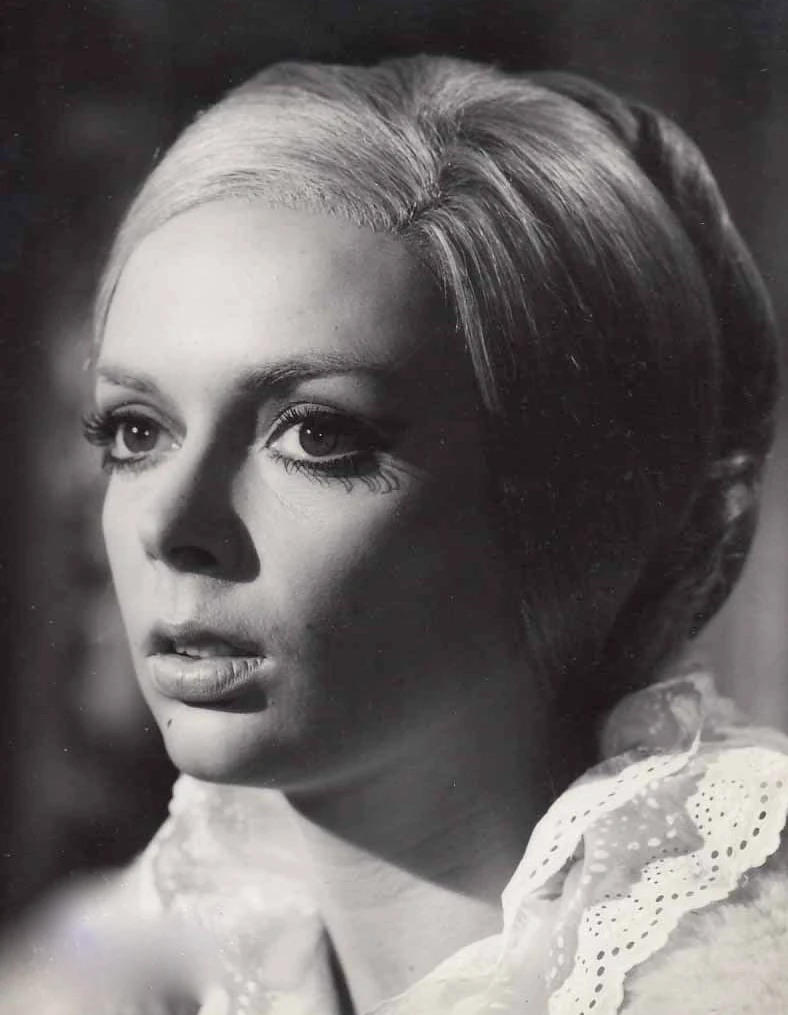
Mario Bava's Black Sunday offers a different doorway into the gothic: a family does not simply own property or inherit a name, but carries a danger attached to its history. Barbara Steele plays the condemned Asa Vajda and her later descendant in a story organized around a curse that reaches forward across generations. Kino Lorber identifies the film as a meeting point between gothic horror and European art cinema. That description is useful because it draws attention to composition and atmosphere without suggesting that the film has stopped trying to frighten its audience.
The central attraction for this guide is the uncertainty created by resemblance. A familiar face can suggest continuity, mistaken identity or a past person reappearing in another body. In a family story, that makes the usual comfort of belonging less reliable. This is a more particular source of unease than the broad promise that an old castle contains something unpleasant: the people connected to the place may not be free to define themselves independently of it.
Choose Black Sunday when you want black-and-white imagery, supernatural menace and a story that keeps returning to ancestry. It is not a gentle introduction merely because it dates from 1960; Tubi's listing carries a TV-MA classification. Its visual language makes it a useful companion to Nosferatu, while its family curse provides a different question to follow through the darkness.
Sources: Tubi — Black Sunday (1960) title listing ↗ · Kino Lorber — Black Sunday release and film background ↗
Nosferatu the Vampyre (1979): a familiar monster with a different temperature

Do not select Werner Herzog's Nosferatu the Vampyre expecting simply to replace the silent film with a version that talks. The same broad Dracula framework becomes another filmmaker's encounter with the material. Klaus Kinski plays the count, Bruno Ganz plays Jonathan Harker, and Isabelle Adjani plays Lucy. The American Genre Film Archive describes a journey from Wismar toward a property transaction in the Carpathian Mountains, with Lucy's warnings hanging over a trip Jonathan nonetheless undertakes. The apparently practical business of buying a house opens a path to a much less practical danger.
That arrangement gives a viewer something specific to compare with Murnau. A transaction is supposed to make the unfamiliar manageable: there is a client, a destination and a task. Gothic storytelling tests the confidence behind that process. A place can be reached, surveyed and described without being understood. The uncomfortable distance between an ordinary errand and its consequences is one reason the vampire remains effective even when the audience recognizes the story's outline.
For a double feature, leave some space between the two Nosferatu films. Compare how each handles an arrival, an unfamiliar landscape and the figure waiting at the end of the journey. This is a recommendation for viewers willing to sit with atmosphere rather than demand constant escalation. Check the language and subtitles on the particular listing you open; different releases of Herzog's film have circulated in different language versions.
Sources: Tubi — Nosferatu the Vampyre (1979) title listing ↗ · American Genre Film Archive — Nosferatu the Vampyre ↗
The Changeling (1980): trade the castle for a house with unfinished business
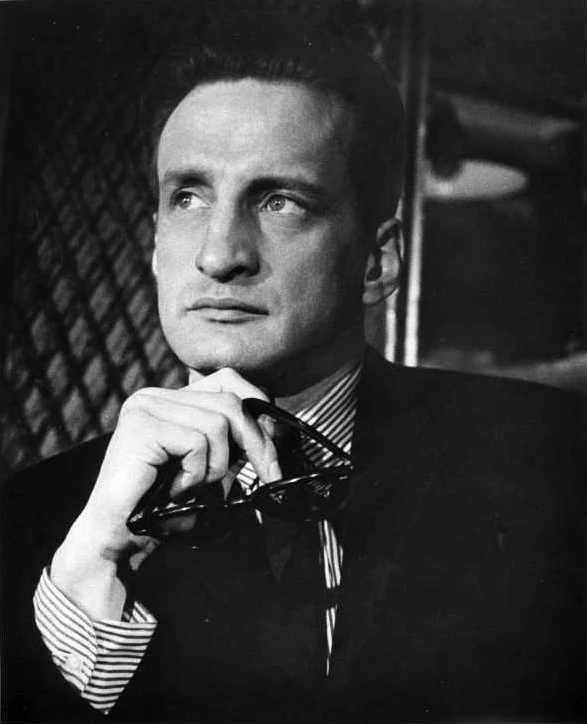
Peter Medak's The Changeling brings this selection into a more recognizable domestic world. George C. Scott plays a grieving composer who moves into a large old house after the deaths of his wife and daughter. Tubi's synopsis connects his attempt to begin again with the discovery that the house is haunted; Severin's release information places that grief and the Victorian mansion at the center of the film's premise. The setting changes, but the gothic relationship between a present occupant and an unresolved past remains intact.
For viewers choosing between the six films, this is the haunted-house option built around investigation. Its protagonist has reason to want solitude, and disturbances make that withdrawal difficult. The tension comes from the competing meanings of a home: a refuge in which to recover, a building with its own history, and a place that may demand attention to somebody else's suffering. Those meanings create a richer question than whether it would be sensible to leave immediately.
This also marks a useful distinction in the guide. Gothic horror can overlap with a ghost mystery without needing medieval scenery, aristocratic vampires or an ancient family name. Choose The Changeling if following clues matters more to you than vampire mythology. Its R classification is another reason to assess it as an individual film rather than assume that a classic-cinema list is suitable for every family viewing night.
Sources: Tubi — The Changeling (1980) title listing ↗ · Severin Films — The Changeling restoration and film background ↗
House on Haunted Hill (1959): the gothic as an invitation you should question
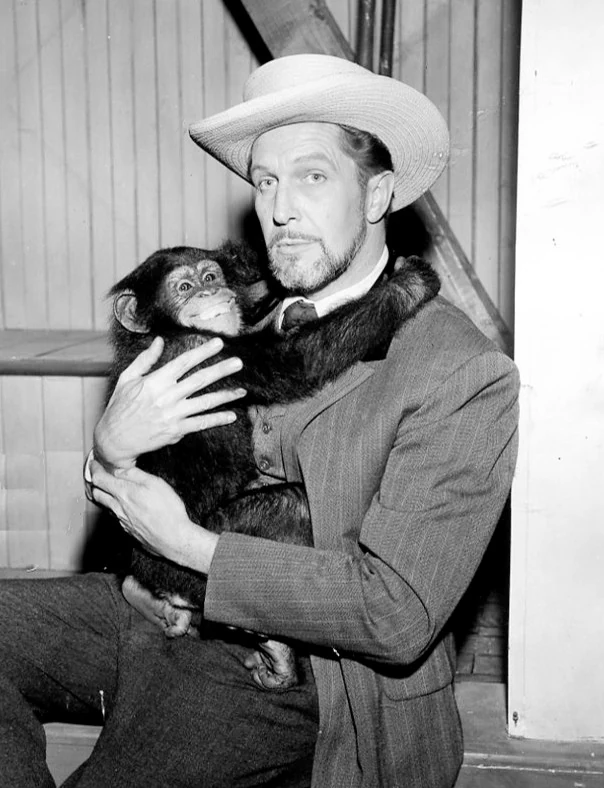
William Castle's House on Haunted Hill makes its invitation unusually clear. An eccentric wealthy host, played by Vincent Price, offers five guests money if they can survive a night in a supposedly haunted mansion. Tubi identifies the 1959 film and lists Carol Ohmart, Elisha Cook Jr. and Richard Long among the cast. Several editions appear in the catalog, so use the year and cast to distinguish the original from the later film that shares its title. A colorized edition and a black-and-white presentation are also different viewing choices, not interchangeable guarantees about the image you will see.
The premise is effective because money gives each visitor a reason to remain in a place that common sense might otherwise tell them to leave. That puts a social bargain inside the haunted-house machinery. The host controls the invitation and the reward; the guests must decide what kind of risk they have accepted. Watching how those unequal positions shape the evening is part of the pleasure, especially for an audience that enjoys suspicion and competing explanations alongside supernatural possibilities.
Choose this one for a group interested in a compact mystery and the theatrical personality of its host. Its place here is the playful, showmanlike edge of the gothic rather than the mournful mood of The Changeling. Those can make a productive pairing precisely because two haunted houses need not produce the same kind of evening.
Sources: Tubi — House on Haunted Hill (1959) title listing ↗
The Pit and the Pendulum (1961): finish with a family story under pressure

Roger Corman's The Pit and the Pendulum returns to the castle, this time with a visitor asking what happened to his sister. John Kerr plays the investigating brother; Vincent Price and Barbara Steele are also central to the cast. The BFI explains that Corman transforms Edgar Allan Poe's source into a larger story of a family home, uncertain explanations and a death whose circumstances do not settle the matter. Tubi currently includes the film in its Gothic Horror collection as well as providing an individual title listing.
This is the choice for viewers who want the building and its inhabitants to feel bound together. A family residence is supposed to preserve the past through possessions, stories and familiar rooms. Here, preservation is closer to entrapment: a visitor seeking a clear account encounters a household in which history controls the present conversation. The title promises a physical mechanism, but the route toward it depends on what people believe, remember and withhold from one another.
To choose your first film, decide what kind of uncertainty interests you. Start with Murnau for images, Bava for a curse, Herzog for another approach to a known vampire, Medak for investigation, Castle for a sinister invitation, or Corman for family history closing around a newcomer. That is a more useful marathon plan than treating every old horror film as the same experience. Recheck the title page, version and local availability when you are ready to press play.
Sources: Tubi — The Pit and the Pendulum (1961) title listing ↗ · BFI — Roger Corman and The Pit and the Pendulum ↗ · Tubi — Gothic Horror collection ↗
Prepared with AI assistance. Source-based reporting checked on October 25, 2026. This article does not update automatically. Read our editorial standards.