Fox closes the Roku deal and reorganizes its streaming business

Fox completed its acquisition of Roku on Friday, November 6, bringing the television streaming platform under the same owner as Tubi and Fox One. The transaction announced in June was valued at approximately $22 billion in enterprise value. For people watching through Roku devices and televisions, the immediate question is what a new owner can change about access to competing services. The Justice Department’s closing statement supplies specific commitments on that question, rather than a promise that every feature will stay the same forever.
Roku’s November 6 securities filing confirms that the purchase has closed. A two-step merger made the business a wholly owned Fox subsidiary named Roku, LLC. This is a completed change of control, not another announcement of an agreement awaiting a future closing. Reuters independently reported the completion and described Fox’s bet on a larger digital audience and more effective advertising for its sports and news businesses.
The final consideration for each eligible Roku share is $95.30 in cash and 0.9799 of a Fox Class A share, subject to the filing’s exclusions and tax provisions. Roku says these figures reflect adjustments for shares whose holders properly demanded appraisal. Fractional Fox shares are paid in cash. The filing also says Nasdaq trading will halt before the November 9 opening. That is the filing’s precise timetable, even though the company’s closing announcement describes Roku shares as ceasing trading on November 6.
Those final terms differ from the headline figures in June. Fox’s June 15 announcement described $96 in cash plus 0.9693 of a Fox Class A share. Its stated $160 per-share value used a $66.03 reference price for Fox stock. That reference valuation was an announcement-date calculation, not a promise that the share component would retain a fixed dollar value. The closing cash amount and exchange ratio are the relevant figures for understanding the completed transaction.
The June announcement also explains why this is more than the purchase of a streaming channel. Fox identified Roku’s home screen, platform technology, direct viewer relationships and first-party data as part of the combination’s appeal. A program supplier competes for something to watch. A platform also helps determine how viewers find that program. Combining those functions creates commercial opportunities while raising questions about how an owner treats services that compete with its own.
At closing, Fox said its existing shareholders hold approximately 74 percent of the outstanding common shares and former Roku shareholders about 26 percent. Roku’s platform serves more than 100 million households worldwide, according to the company. That is a global household figure. It should not be presented as 100 million U.S. homes, individual viewers or paying subscribers. Nor does a household’s use of the platform show that it watches any particular Fox service.
Founder Anthony Wood joins Fox’s board and becomes co-chair of Fox Digital Platforms. Paul Cheesbrough is the new division’s co-chair and chief executive. The division groups Roku with Tubi, Fox One, Red Seat Ventures and other digital operations. The management structure puts the acquired platform and Fox’s existing streaming services within a shared division, while retaining Wood in an oversight role rather than leaving him as the chief executive of a separately listed Roku.
TheWrap reports further changes beneath that structure. Mustafa Ozgen becomes Roku’s chief executive after leading its device, product and technology team. His responsibilities include streaming partnerships, subscriptions and payments as well as the platform’s product operations. Roku Media president Charlie Collier and Tubi chief executive Anjali Sud are departing. Sud will assist with the transition. Pete Distad will oversee Tubi and Frndly TV, with Mike Bidgoli becoming Tubi’s president. These reported appointments describe who will manage integration, not evidence that a particular app has already been removed.
What the Roku openness commitments cover
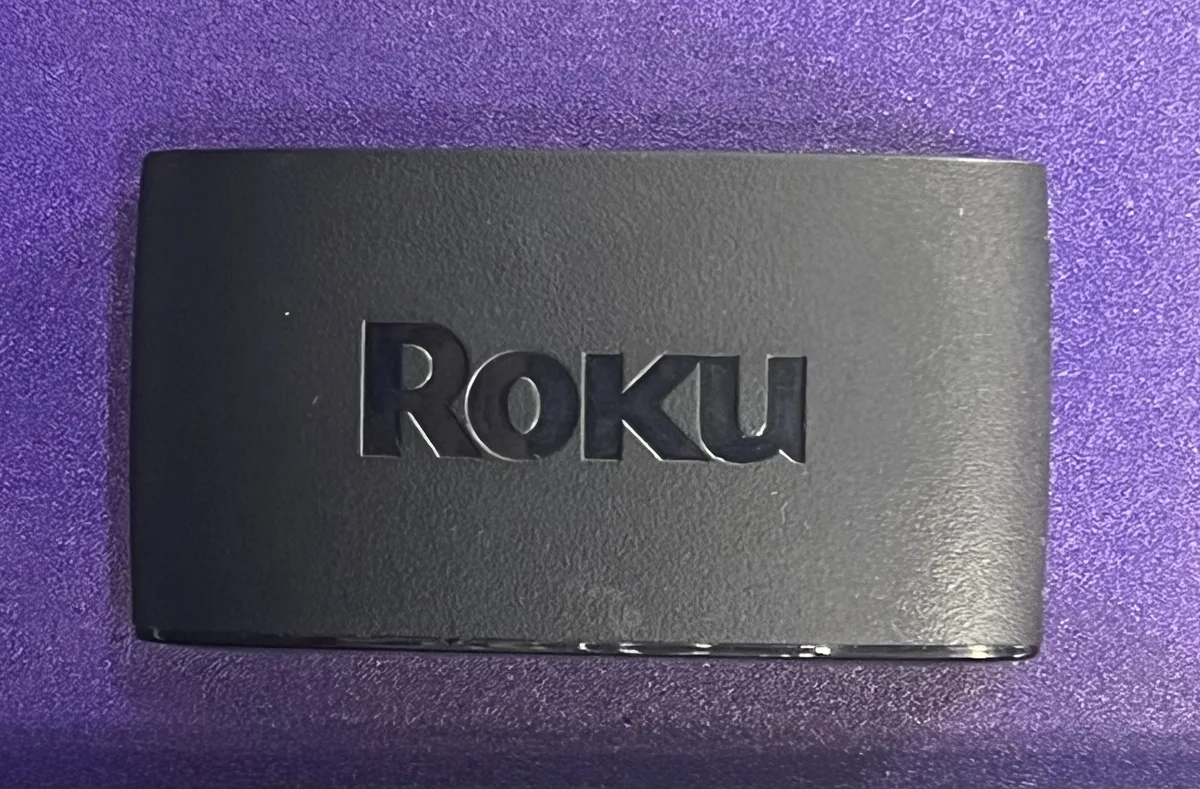
The Justice Department examined competition between free, ad-supported streaming services and whether Fox could use Roku to disadvantage rival content providers. It closed its investigation after concluding that competitive entry and the risk of losing viewers reduced the likelihood of harm. Its statement also records Fox’s commitments. The department says it will continue to assess competition and may act if circumstances change. The statement is the regulator’s assessment of this transaction, not a judicial ruling about every future platform decision.
Fox committed to carry non-Fox content for at least three years, consistent with Roku’s historical practice. It also committed against discrimination in search results and to preserving users’ ability to rearrange home-screen applications. The listed data provisions cover continued third-party access on commercially reasonable terms and existing contractual safeguards for competitors’ sensitive information, including click, search, viewing and voice data. The statement specifies at least three years for the carriage and data-firewall commitments. It does not express that same duration for every item.
The distinction between search results and home-screen placement matters. A user’s ability to move an application gives that viewer control over an arrangement. A commitment against search discrimination addresses what happens when the platform answers a query. Neither concept should be reduced to a claim that the interface will never change. The published list identifies particular conduct. It does not promise that every Roku feature, recommendation or commercial relationship will remain untouched indefinitely.
There is already a documented example of a partner making its own decision about the ownership change. Ars Technica reports that artist Jim Sachs chose not to renew Roku’s license for his Marine Aquarium animation, offered on devices as the Aquatic Life screensaver, after learning about the planned Fox purchase. According to the device notice described in that reporting, affected devices will switch to Roku City after this month. Ars says Roku asked him to restore the license. That account describes a creator declining renewal, rather than Fox ordering the artwork removed.
That example shows why platform continuity cannot mean that every licensed item remains available. Carrying competing content, preserving a search rule and retaining an individual artwork involve different obligations and decisions. One partner’s refusal to renew does not establish that Fox has breached its commitments. Equally, a public commitment to openness cannot by itself document what every partner will decide. The relevant evidence is the actual agreement or change, its timing and who made the decision.
Fox expects approximately $400 million in annualized cost synergies within two years of closing and expects the transaction to increase free cash flow per share by the second full year afterward. These are management forecasts. They are not savings already recorded or a published count of job reductions. A run-rate estimate describes the annual pace of savings a business expects to reach. It is different from saying the company has already accumulated that amount in cash.
For viewers, the ownership transfer and the commitments are now documented. The financial forecasts and the longer integration outcome remain ahead. There is no basis in these announcements to treat the purchase as an automatic subscription to Fox One or a guarantee of free access to all Fox programming. The next evidence that will matter is concrete: changes to carriage agreements, search treatment, partner data arrangements and the products viewers actually receive. Those developments will show how Fox puts its stated openness policy into practice.
View sources
Source publication or schedule date: Transaction completed November 6, 2026; company, SEC and DOJ records checked November 7. June announcement retained only for dated transaction background.
- Fox — November 6 closing announcement and final shareholder terms
- Roku — November 6 Form 8-K, completed merger, adjusted consideration and trading-halt timetable
- Fox — June 15 acquisition announcement and original reference valuation
- U.S. Department of Justice — November 6 antitrust investigation closing statement and platform commitments
- Reuters — independent November 6 reporting on the completed transaction
- TheWrap — November 6 reporting on Roku and Tubi leadership changes
- Ars Technica — artist interview and Aquatic Life screensaver licensing decision
- TheWrap — independent November 6 completion and regulatory reporting
- Collision Conf / Wikimedia Commons — Anthony Wood photograph, April 26, 2016, CC BY 2.0
- TaurusEmerald / Wikimedia Commons — Roku Express photograph, April 30, 2024, CC BY-SA 4.0
- The Verge — November 6 reporting on search and home-screen commitments
Prepared with AI assistance. Source-based reporting checked on November 7, 2026. This article does not update automatically. Read our editorial standards.