Career timeline
An artistic education before a film business
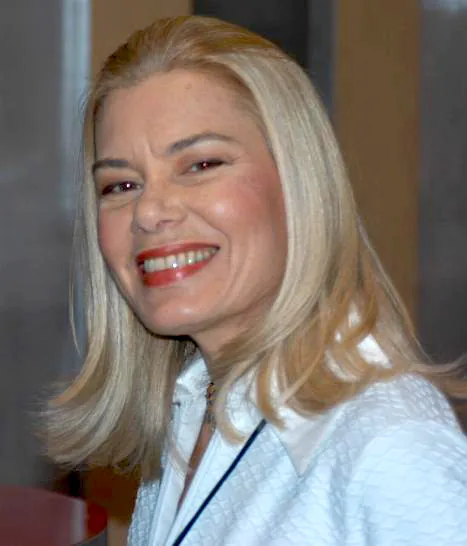
Candida Royalle’s background included music, dance and visual art. Her archive’s biography lists New York’s High School of Art and Design, Parsons and the City University of New York among the institutions she attended. In San Francisco, she worked in experimental theater with people connected to the Cockettes. Her later filmmaking developed from an existing artistic practice.
The change that mattered
After working as a performer, Royalle established Femme Productions in 1984. The company’s stated purpose was to make adult films from women’s perspectives and for couples. In WNYC’s remembrance, Annie Sprinkle described her friend’s dissatisfaction with the films available and her decision to create alternatives. The important shift was one of authorship: Royalle moved from taking a role in someone else’s production to deciding what a production should be.
A place in feminist debate
Harvard’s Altered Gazes exhibition placed Royalle among women who produced countercultural media rather than simply appearing in it. The exhibition identified her with Feminists for Free Expression and the Club 90 support network. These affiliations situated her work inside arguments over censorship, women’s agency and the conditions of cultural production. They did not mean that all feminists agreed with her approach.
Sources: Harvard — Altered Gazes exhibition ↗
Writing and design expanded the work
Royalle also wrote the 2004 book How to Tell a Naked Man What to Do. Her archive describes a separate collaboration with industrial designer Jandirk Groet on the Natural Contours product line, introduced in 1999. These were different forms of work with a shared concern for how products were conceived and presented to women. The business history extends beyond the number of films that carried her name.
A colleague remembered by filmmakers
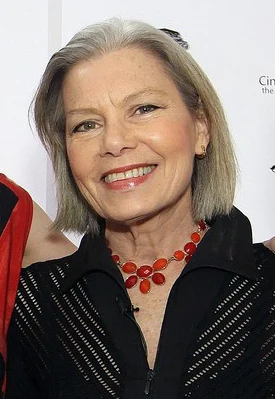
CineKink founder Lisa Vandever remembered Royalle in Filmmaker after her death in September 2015. Earlier that year, the festival had honored Club 90, bringing Royalle together with longtime colleagues. Vandever’s account records a professional community around her work and its continued presence at screenings. Royalle was 64 when she died, as WNYC and Filmmaker reported.
Sources: WNYC — remembrance, September 8, 2015 ↗ · Filmmaker — Lisa Vandever’s remembrance ↗
An archive that outlived its creator
The later display of Royalle’s papers at Harvard gives the career another chapter. Scripts, publications and other materials can be studied as evidence of women’s participation in media history. Her story connects the practical work of making a company with larger questions about audience and creative control. The documents let those questions remain open to examination rather than reducing her legacy to a slogan.
Sources: Harvard — Altered Gazes exhibition ↗
Prepared with AI assistance. Source-based reporting checked on October 24, 2026. This article does not update automatically. Read our editorial standards.