Career timeline
The career has more than one starting point
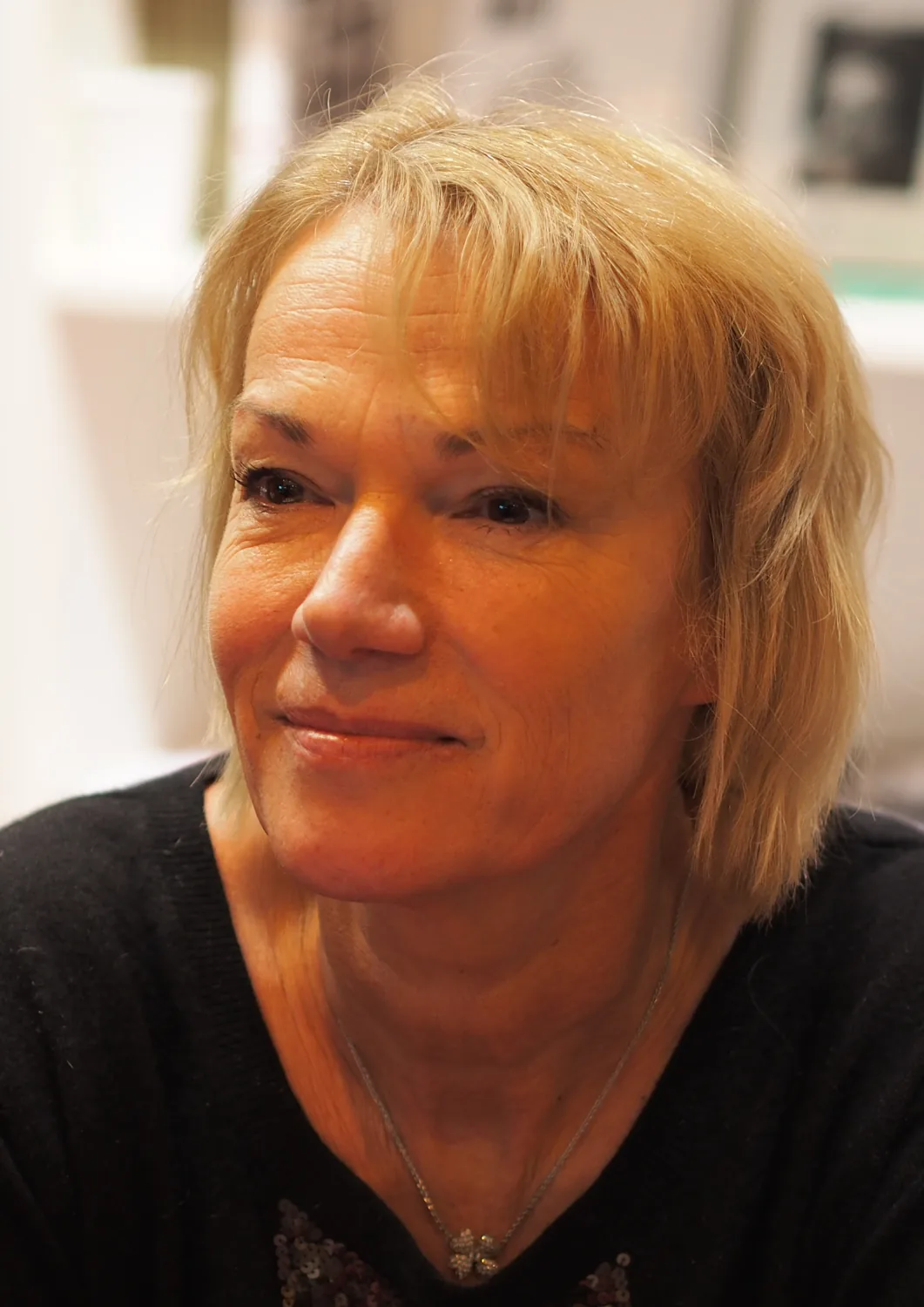
Brigitte Lahaie became known through adult cinema before pursuing other films, books and broadcasting. Le Parisien’s 2002 report described those changes while visiting her at RMC. By then, she was building a program around listeners’ emotional lives rather than acting in someone else’s production. That change of format is a useful starting point for understanding a public career that extended far beyond its first chapter.
Sources: Le Parisien — Brigitte Lahaie at RMC, September 29, 2002 ↗
Genre cinema created another route
In a 2017 interview with Le Soir’s Soirmag, Lahaie credited filmmaker Jean Rollin with helping bring her into other cinema. She described her mainstream appearances as small roles rather than claiming conventional stardom. Soirmag recalled credits including Diva, I... comme Icare and Pour la peau d’un flic. Those appearances establish work across different scales of production.
Sources: Soirmag / Le Soir — Brigitte Lahaie interview, August 25, 2017 ↗
Writing filled the space between careers
Lahaie told Soirmag that radio did not immediately follow her acting work. She described a period spent writing and studying psychoanalysis and sexology before joining RMC in 2001. In a separate Temps Libre interview, she identified the 1987 book Moi la scandaleuse as an important moment in how she publicly addressed her past. These are her accounts of the transition, rather than a claim that study itself conferred a clinical qualification.
Sources: Soirmag / Le Soir — Brigitte Lahaie interview, August 25, 2017 ↗ · Temps Libre — Brigitte Lahaie discusses books and radio ↗
Listeners became the center of the work
Le Parisien visited Lahaie at RMC in September 2002, about a year into Lahaie, l’amour et vous. Its report described a call-in program built around listeners’ concerns and emotional lives. The format depended on conversation rather than spectacle. The festival biography records the show’s run from 2001 to 2016 and her subsequent move to Sud Radio, establishing that broadcasting became a sustained profession rather than a short celebrity experiment.
Sources: Mamers en Mars — Brigitte Lahaie, 2020 jury biography ↗ · Le Parisien — Brigitte Lahaie at RMC, September 29, 2002 ↗
A public identity that kept expanding
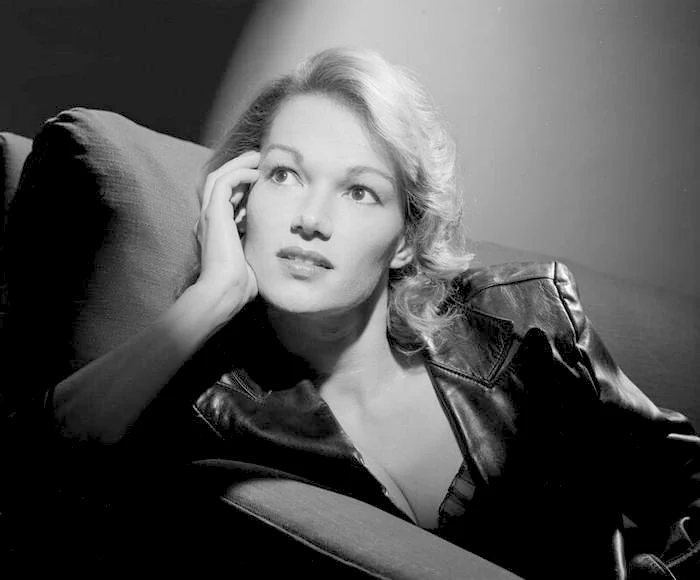
When Lahaie appeared at Mamers en Mars in 2020, the festival introduced her as an actor, broadcaster and author. Those three descriptions are supported by distinct work: screen credits, a long radio run and books. Her biography is therefore best read as a sequence of overlapping media careers. It does not require accepting every opinion she has expressed to recognize the scale of the transition she made.
Sources: Mamers en Mars — Brigitte Lahaie, 2020 jury biography ↗
Prepared with AI assistance. Source-based reporting checked on October 24, 2026. This article does not update automatically. Read our editorial standards.