A new federal prosecution
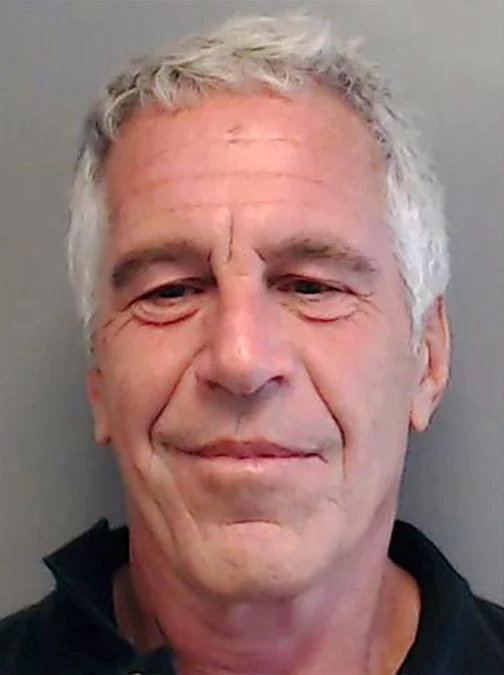
Federal prosecutors announced on July 8, 2019 that Epstein had been arrested two days earlier and charged in Manhattan with sex trafficking of minors and conspiracy. The announcement described alleged conduct in New York and Florida between 2002 and 2005, including recruitment of underage victims and payments for bringing other girls.[S03]
This is an account of the charging document. The words “prosecutors alleged” are necessary because the accusation and the outcome are different parts of the case.
The limits of an indictment
An indictment identifies the conduct the government proposes to prove. It does not turn every person mentioned in the investigation into a defendant. The 2019 announcement itself states that the charges were accusations and that the defendant was presumed innocent unless proved guilty.[S03]
When you examine a document excerpt, check whether it is the indictment, a prosecution argument, a witness statement or a later order. A screenshot often strips away precisely the heading that tells you what you are reading.
The case did not reach a verdict

Epstein died in federal custody on August 10, 2019, before trial. The later inspector general report reviews his custody and death, not a verdict on the charges.[S07]
It is therefore inaccurate to label the 2019 prosecution a federal conviction. It is equally inaccurate to treat the absence of that verdict as an erasure of the earlier state guilty plea or of later proceedings involving other defendants.
A useful way to read the charging record
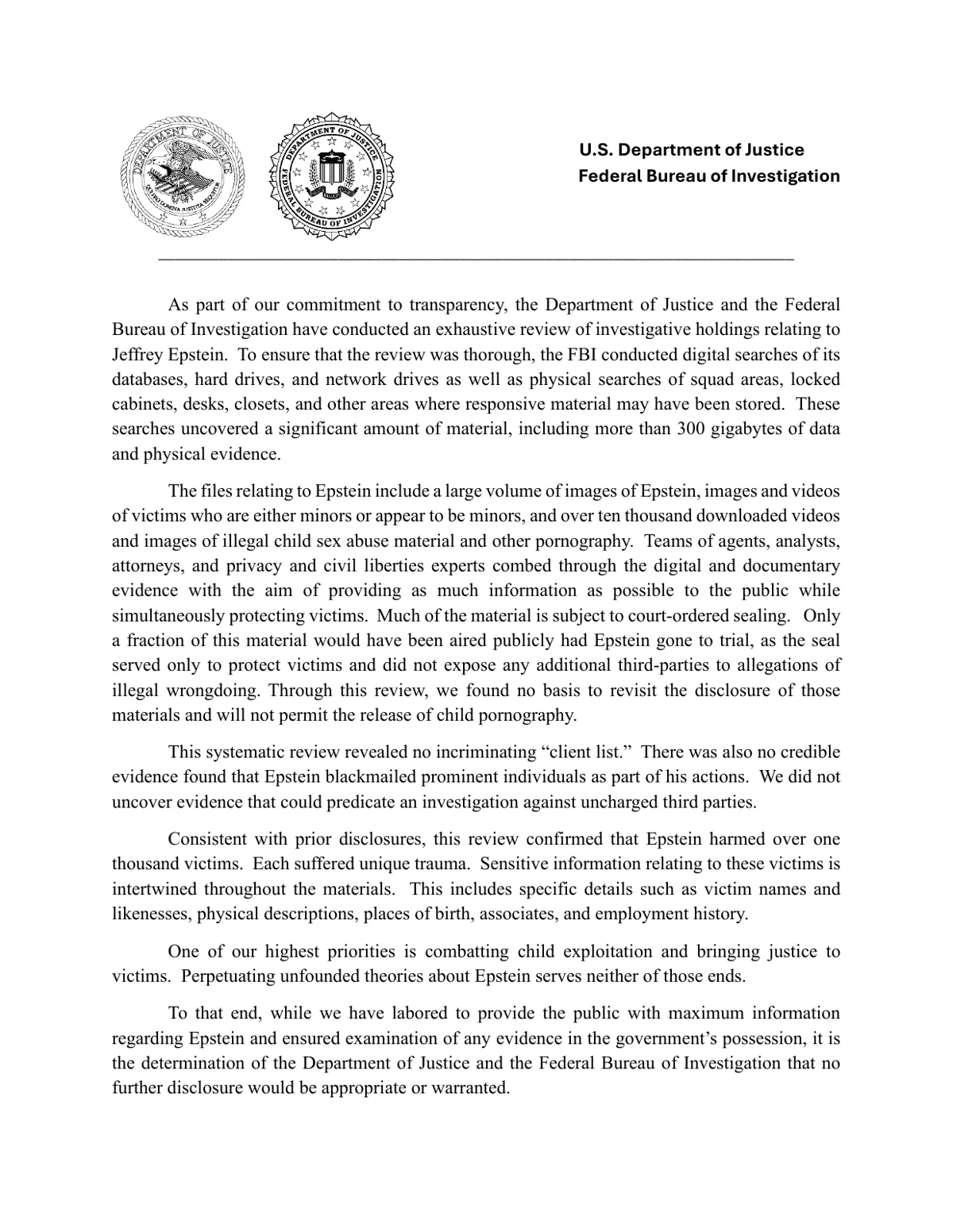
Read the alleged time period and locations first. Next identify the charged defendant and the conduct attached to each count. Finally, look for a later judgment or disposition instead of assuming that a forceful accusation became a court finding.
For this dossier, the 2019 proceeding belongs beside—not in place of—the Florida deal and the Maxwell case. Keeping those records separate makes it possible to describe abuse and accountability without inflating what any one case decided.
No unnamed person has been assigned criminal responsibility here because of a travel entry, business contact or social photograph. Such a conclusion would require evidence about that person’s conduct, not simply proximity to Epstein.